Hattiesburg: 601-450-5550
The Inner Stain: Lightening Tetracycline’s Shadow


The Inner Stain: Lightening Tetracycline’s Shadow
By Cronin Dentistry | February 28, 2025
Tetracycline stains on teeth are a unique and often distressing cosmetic concern. Unlike the typical yellowing or browning caused by diet or aging, tetracycline stains are embedded within the tooth structure, a lasting reminder of past antibiotic use. This leads many to wonder: can teeth whitening, the miracle worker for surface stains, effectively address these deeper discolorations? Let’s delve into the complexities of tetracycline stains and explore the possibilities and limitations of teeth whitening.
What are Tetracycline Stains?
Tetracycline is a broad-spectrum antibiotic that, when ingested during tooth development (typically before the age of eight), can bind to calcium and become incorporated into the developing enamel and dentin. This results in intrinsic staining, meaning the discoloration originates within the tooth. The severity and color of the stains vary depending on the dosage, duration of exposure, and the specific type of tetracycline used.
Typically, tetracycline stains appear as:
- Banding: Horizontal gray, blue, or brown bands across the teeth.
- Generalized Discoloration: A diffuse gray or brownish tint throughout the tooth.
- Fluorescence: Under ultraviolet light, tetracycline-stained teeth may exhibit a yellow fluorescence.
These stains are notoriously resistant to traditional teeth whitening methods, posing a significant challenge for cosmetic dentists.
Can Teeth Whitening Fix Tetracycline Stains?
Traditional teeth whitening products, whether over-the-counter or professional, rely on hydrogen peroxide or carbamide peroxide to break down stain molecules on the tooth surface. These agents are effective against extrinsic stains, such as those caused by coffee, tea, or smoking. However, they struggle to penetrate deep into the tooth structure to reach tetracycline stains.
While whitening may slightly lighten the overall shade of tetracycline-stained teeth, it often fails to eliminate the banding or diffuse discoloration. In some cases, whitening can even exacerbate the appearance of the stains, making the banding more prominent.
How Do You Treat Tetracycline Discoloration?
Given the limitations of traditional whitening, several alternative solutions are available for addressing tetracycline stains:
- Professional Whitening with Extended Treatment:
- While not a guaranteed fix, a dentist-supervised whitening regimen with high concentrations of whitening agents and extended time can sometimes lessen the appearance of mild tetracycline staining. This is a lengthy process and may not yield the desired results.
- Dental Veneers:
- Veneers are thin, custom-made shells bonded to the front surface of teeth. They effectively mask tetracycline stains, providing a dramatic and long-lasting cosmetic improvement. Veneers can be made from porcelain or composite resin, with porcelain veneers being the more durable and natural-looking.
- Dental Crowns:
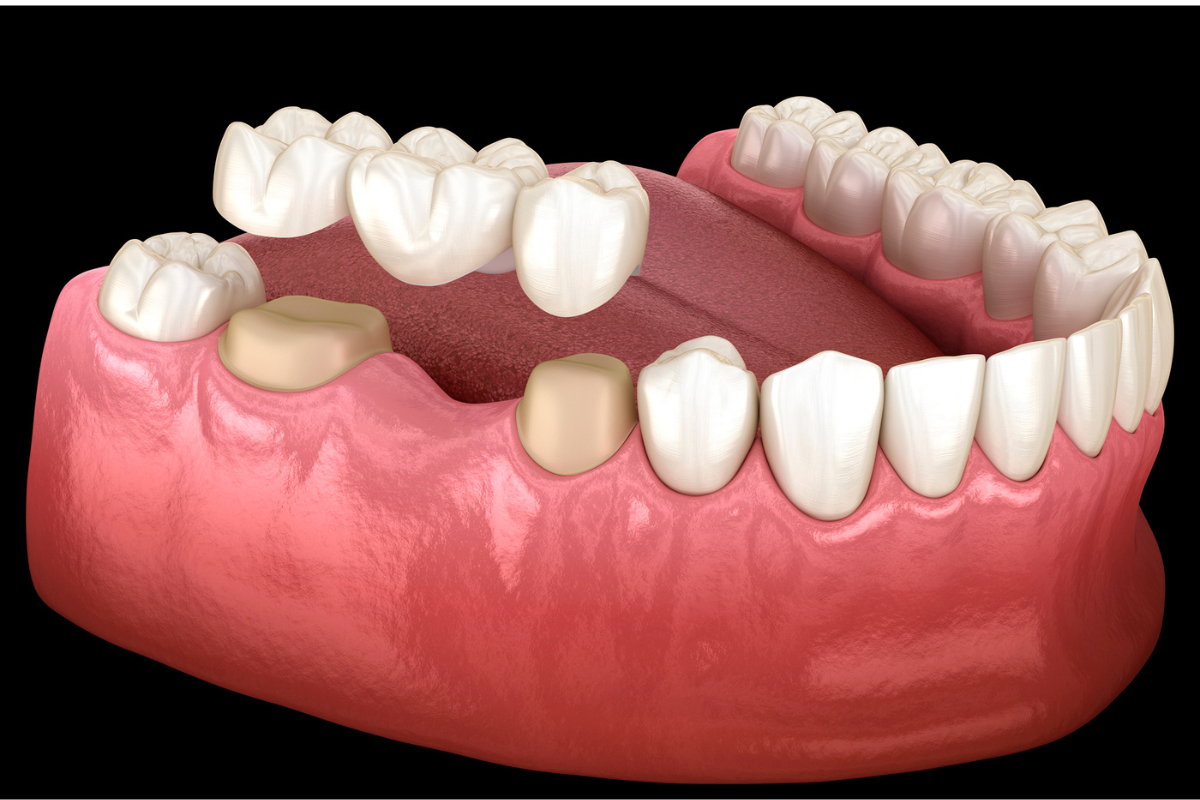
- Dental crowns may be recommended in cases of severe tetracycline staining or when teeth are weakened. Crowns completely cover the tooth, providing both cosmetic and structural support.
- Composite Resin Bonding:
- Composite resin bonding involves applying a tooth-colored resin material to the surface of the teeth. It can be used to cover mild to moderate tetracycline stains. While less durable than veneers, bonding is a more affordable option.
- Microabrasion:
- This technique removes a fragile layer of enamel to reduce superficial staining. It is only effective in mild cases and is not often used for tetracycline staining.
Factors to Consider:
The best treatment option for tetracycline stains will depend on several factors, including:
- Severity of the Staining: Mild stains may respond to professional whitening or bonding, while severe stains may require veneers or crowns.
- Patient Expectations: It’s essential to have realistic expectations about the results of any treatment.
- Cost: Veneers and crowns are generally more expensive than whitening or bonding.
- Tooth Structure: If the teeth are weak or damaged, crowns may be the most appropriate option.
Consulting with a Cosmetic Dentist
The first step in addressing tetracycline stains is to consult with a qualified cosmetic dentist. They can assess the severity of the staining, discuss your treatment options, and recommend the most appropriate course of action. A dentist can also help you understand the limitations of each treatment and set realistic expectations.
The Emotional Impact
Tetracycline stains can have a significant emotional impact, affecting self-esteem and confidence. Many individuals with these stains feel self-conscious about their smile and may avoid social situations. It’s important to remember that you’re not alone and that effective treatment options are available.
A Brighter Future
While tetracycline stains can be challenging to treat, advancements in cosmetic dentistry have enabled a brighter, more confident smile. Whether through professional whitening, veneers, crowns, or bonding, there’s a solution for everyone. Working with a skilled cosmetic dentist can overcome the limitations of tetracycline stains and unlock the smile you’ve always dreamed of.
In conclusion, while traditional teeth whitening often fails to address tetracycline stains, modern cosmetic dentistry offers a range of practical solutions.