Hattiesburg: 601-450-5550
What is the Typical Lifespan of Dental Implants? Our Experts’ Insights

What is the Typical Lifespan of Dental Implants? Our Experts’ Insights
By Cronin Dentistry | September 3, 2025
When it comes to restoring your smile, dental implants are one of the most reliable and long-lasting solutions available today. Unlike traditional dentures or bridges, implants are designed to feel, function, and look like natural teeth. But one of the most common questions patients ask their dentist is: How long do dental implants really last?
Understanding the Basics of Dental Implants
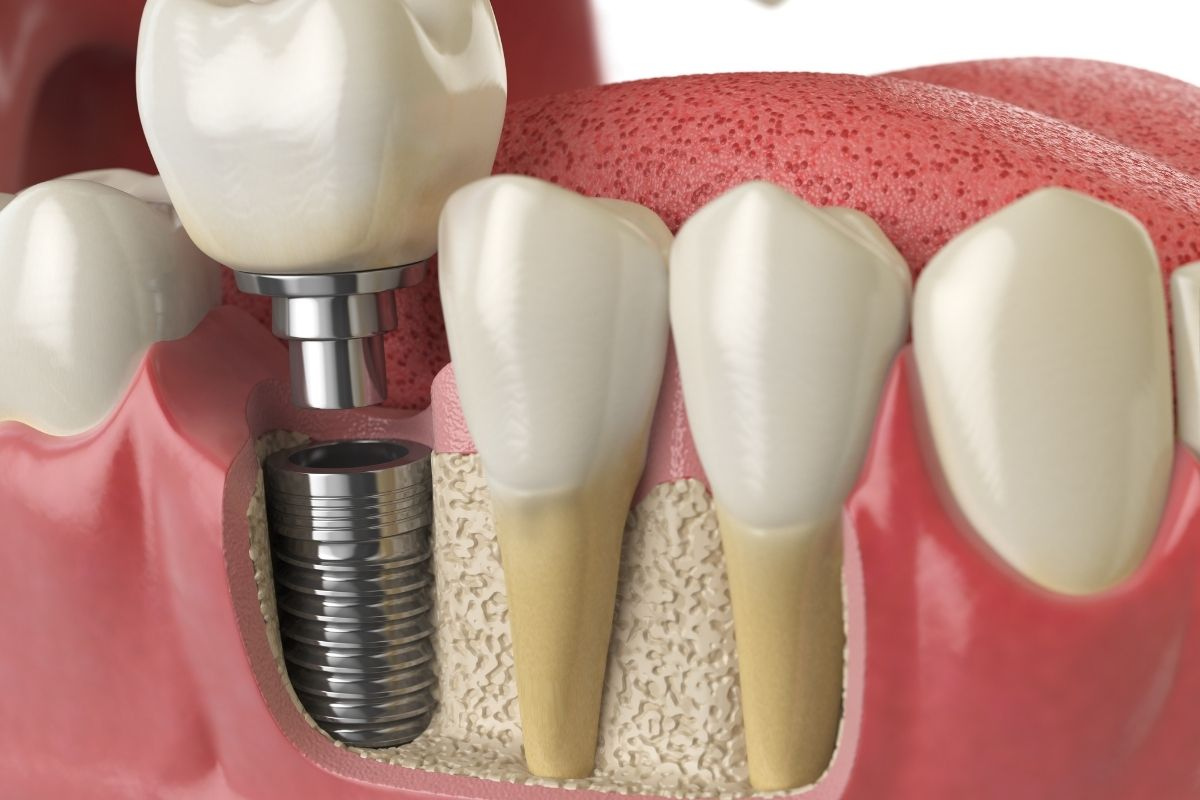
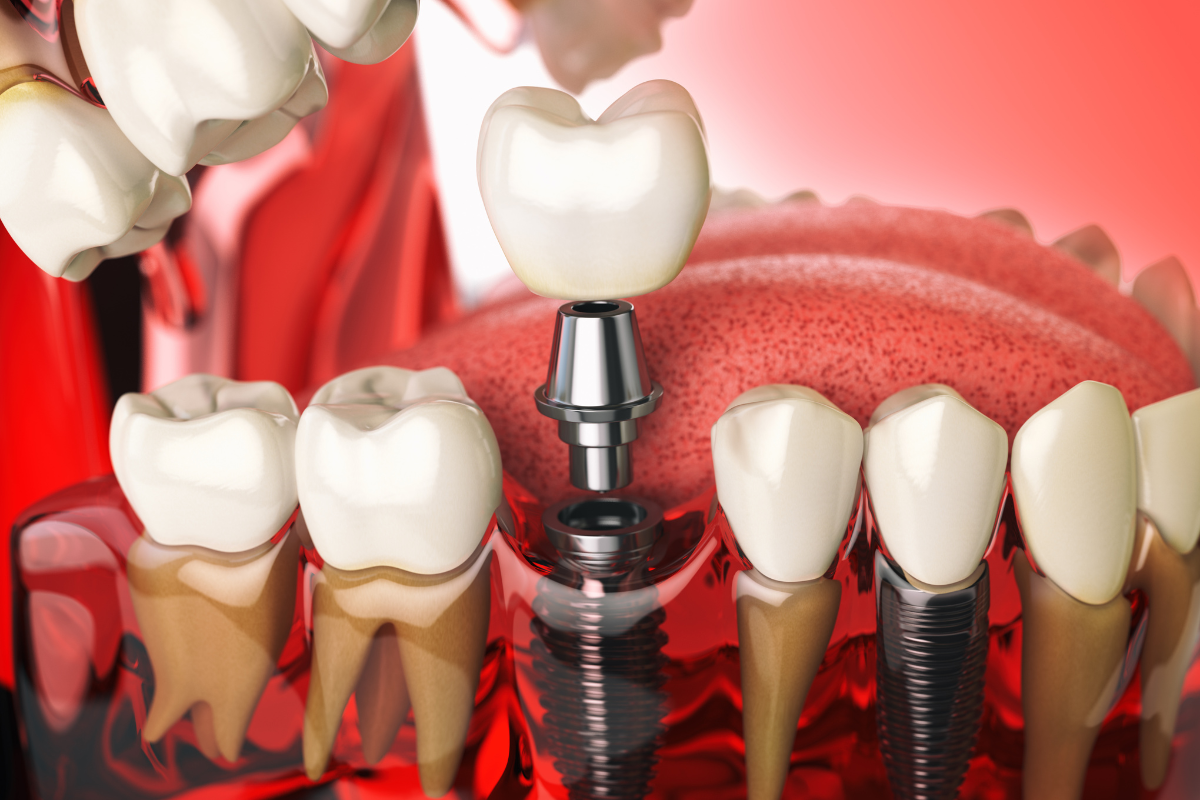
A dental implant is made up of three parts: the titanium post that integrates with the jawbone, the abutment that connects the post, and the crown that acts as the visible tooth replacement. Thanks to advances in modern dentistry, this solution has an incredibly high success rate, often above 95%. But like any medical or dental treatment, its longevity depends on multiple factors.
The Average Lifespan of Dental Implants
With proper care, dental implants can last 20 years or more, and in many cases, they can last a lifetime. The titanium post, which bonds directly to your jawbone through a process called osseointegration, is designed to be permanent. The crown, however, may need replacement after 10–15 years due to normal wear and tear.
Patients looking for dental implants in Columbia often want reassurance that this investment will pay off in the long run. The good news is that, compared to dentures or bridges that may need frequent adjustments, implants provide a more stable and durable solution.
Factors That Influence Implant Longevity
Several variables affect how long dental implants last:
- Oral Hygiene – Just like natural teeth, implants require brushing, flossing, and regular dental check-ups. Poor hygiene can lead to gum disease, which may compromise the implant.
- Lifestyle Habits – Smoking, excessive alcohol use, and teeth grinding can shorten the lifespan of implants.
- Bone Health – Strong jawbone density is crucial for implant stability. In some cases, bone grafting may be recommended before the procedure.
- Diet – A balanced diet that supports bone and gum health plays a role in keeping implants secure.
- Professional Care – Visiting your dentist for routine cleanings and exams ensures early detection of any issues.
Expert Insights on Long-Term Success
Most dentists agree that patients who commit to maintaining excellent oral health have the best outcomes. The titanium implant itself rarely fails. Instead, complications typically arise from gum infections, bone loss, or trauma to the area. That’s why consistent professional care is non-negotiable.
Patients seeking dental implants in Columbia should also consider the experience of the dental team performing the procedure. Skilled placement, advanced imaging technology, and customized treatment planning all increase the chances of long-term success.
Are Dental Implants Right for You?
Not every patient is a candidate for implants, but many are pleasantly surprised to learn they qualify. Ideal candidates are those with healthy gums, sufficient bone structure, and a commitment to oral hygiene. Even if you’ve been told in the past that implants weren’t an option, modern techniques may now make them possible.
Final Thoughts
Dental implants are a trusted solution for restoring smiles and confidence. With proper care, they can last decades often for the rest of a patient’s life. If you’re considering this treatment, the best step is to consult an experienced dentist who can assess your unique needs and provide personalized guidance.
At Cronin Dentistry, we take pride in helping patients achieve long-lasting smiles with high-quality care and expertise. Ready to take the next step toward restoring your smile? Request an appointment today and discover how dental implants can transform your life.