Hattiesburg: 601-450-5550
Can Dentists Help With Snoring and Sleep Apnea?


Can Dentists Help With Snoring and Sleep Apnea?
By Cronin Dentistry | September 15, 2026
Can a Dentist Help With Snoring and Sleep Apnea?
If you or a loved one struggles with constant snoring or has been diagnosed with sleep apnea, you may be surprised to learn that your dentist could play an important role in treatment. While most people associate dental care with cleanings, fillings, crowns, and cosmetic procedures, modern dentistry also includes specialized approaches to sleep-related breathing disorders.
If you are searching for a dentist in Hattiesburg who understands the connection between oral health and sleep, it is worth learning how dental sleep medicine and oral appliance therapy may fit into your treatment plan.
How Can a Dentist Help With Snoring and Sleep Apnea?
Snoring happens when airflow through the upper airway becomes partially restricted during sleep. Obstructive sleep apnea (OSA) is more serious because the airway repeatedly becomes blocked, causing pauses in breathing throughout the night. Common symptoms may include loud snoring, gasping or choking during sleep, morning headaches, waking frequently, daytime tiredness, and feeling unrefreshed after a full night in bed.
Because obstructive sleep apnea is a medical condition, it should be diagnosed by a physician or qualified sleep specialist, often through a sleep evaluation and sleep study. A dentist does not replace your medical provider. Instead, a dental sleep medicine provider can work alongside your physician to determine whether oral appliance therapy is appropriate for you.
For patients looking for a Hattiesburg dentist who provides sleep-related dental care, this collaborative approach is important. It connects medical diagnosis with specialized dental treatment while keeping your overall health and oral health in focus.
What Is Oral Appliance Therapy?
Oral appliance therapy is a non-invasive treatment that uses a custom-made dental device worn during sleep. The appliance resembles a mouthguard but is specifically designed to help maintain an open upper airway.
A qualified sleep dentist may use a mandibular advancement appliance that gently positions the lower jaw forward while you sleep. This can help reduce airway obstruction and may decrease snoring and other symptoms associated with obstructive sleep apnea.
Unlike generic over-the-counter mouthguards, professional oral appliances are custom-fitted to the patient’s teeth and adjusted according to individual needs. A qualified dentist evaluates factors such as your teeth, bite, jaw structure, and oral health before selecting an appropriate appliance.
This makes seeing a dentist for sleep apnea treatment different from simply purchasing a device online.
Who May Benefit From a Dental Sleep Apnea Appliance?
Oral appliance therapy may be considered for adults with obstructive sleep apnea or primary snoring when a physician determines that this approach is appropriate.
It may be particularly relevant for patients who:
- Have primary snoring without obstructive sleep apnea
- Have obstructive sleep apnea and prefer an oral appliance after discussing treatment options with their physician
- Have difficulty tolerating CPAP therapy
- Want to discuss a portable, quiet treatment option with their healthcare providers
- Are medically and dentally suitable candidates for oral appliance therapy
The American Academy of Dental Sleep Medicine notes that oral appliance therapy is an established treatment option for snoring and obstructive sleep apnea. Current standards also emphasize collaboration between qualified dentists and medical providers throughout treatment.
A sleep apnea dentist can therefore play an important role in the dental portion of your care without replacing the physician responsible for your medical diagnosis.
Oral Appliance Therapy vs. CPAP: What’s the Difference?
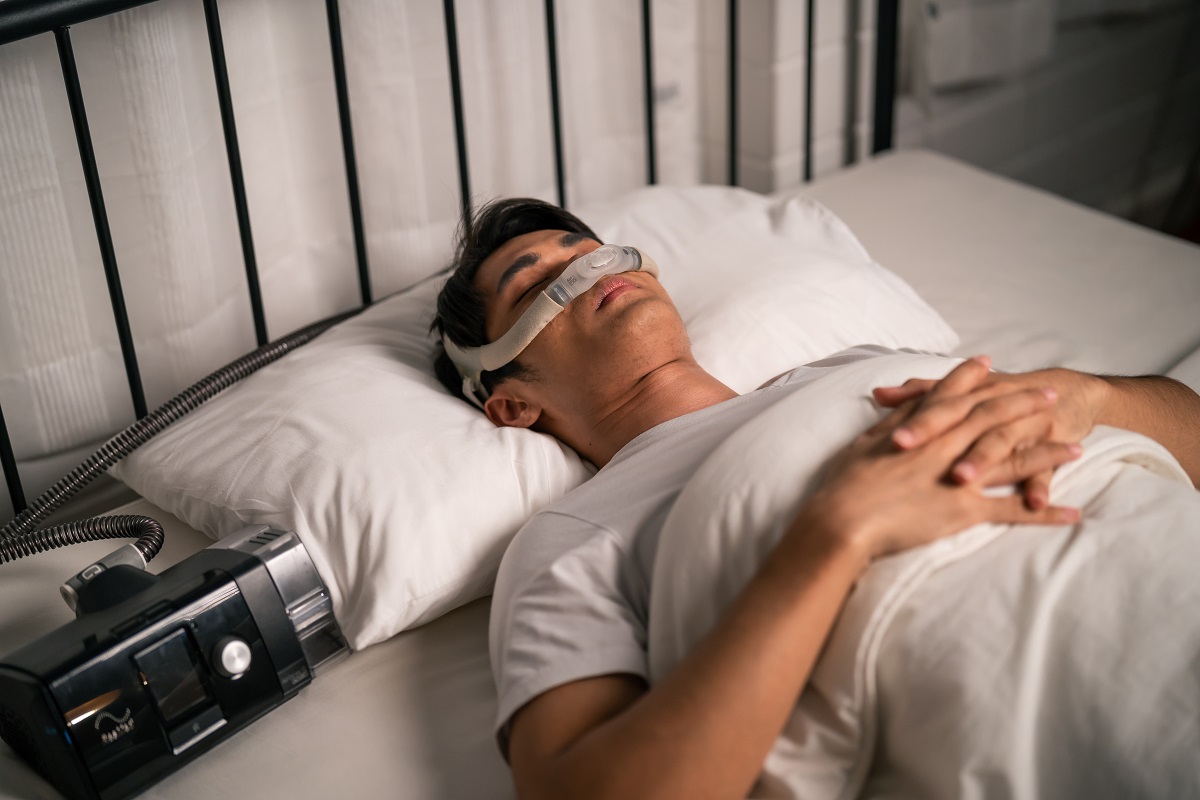
CPAP therapy uses continuous positive airway pressure to help keep the airway open during sleep. Oral appliance therapy works differently by repositioning the lower jaw and supporting airway openness.
CPAP remains an important treatment for obstructive sleep apnea, and patients should not stop or replace prescribed CPAP therapy without discussing their options with their healthcare provider.
For appropriate patients, however, an oral appliance can offer practical advantages. It is generally quiet, portable, easy to care for, and does not require electricity while being worn. These features can make it an appealing option for some people, particularly those who have difficulty consistently using CPAP.
The right treatment depends on the individual’s diagnosis, severity of sleep apnea, medical history, oral health, preferences, and other factors. A qualified Hattiesburg dental sleep medicine provider can coordinate with your physician to determine whether oral appliance therapy is suitable.
What Happens During Sleep Apnea Dental Treatment?
If you are considering oral appliance therapy, treatment generally involves several steps.
1. Medical Evaluation
Sleep apnea should first be evaluated and diagnosed by a physician or sleep specialist. A sleep study may be performed at a sleep center or through a home sleep apnea test, depending on the clinical situation.
2. Dental Sleep Medicine Evaluation
After diagnosis or referral, a qualified dentist evaluates your teeth, gums, jaw, bite, and other oral and facial factors. This helps determine whether you are an appropriate candidate for an oral appliance.
3. Custom Appliance Fitting
If oral appliance therapy is appropriate, your dentist selects and provides a custom device designed around your individual dental anatomy. The appliance is adjusted to achieve a comfortable and appropriate therapeutic position.
4. Follow-Up and Monitoring
Sleep apnea treatment does not end when you receive the appliance. Follow-up appointments allow the dentist to evaluate comfort, make necessary adjustments, monitor dental or bite-related effects, and coordinate with your medical provider.
Current AADSM standards emphasize ongoing management and physician-dentist communication, including verification of treatment effectiveness when appropriate.
Why Choose a Hattiesburg Dentist for Sleep Apnea Treatment?
Choosing a local provider can make ongoing dental sleep treatment more convenient. Oral appliance therapy may require follow-up visits for adjustments, monitoring, and evaluation of how your teeth and jaw are responding to treatment.
A Hattiesburg sleep dentist with appropriate training can also help you understand how dental sleep medicine fits into your broader treatment plan. Qualified dental sleep medicine providers are trained to screen for sleep-related breathing disorders, evaluate oral health factors, provide oral appliance therapy, manage potential side effects, and provide follow-up care.
At Cronin Dentistry, patients in Hattiesburg and surrounding communities can discuss their concerns about snoring, sleep apnea, and available dental treatment options with the dental team.
Take the Next Step Toward Better Sleep
Persistent snoring and obstructive sleep apnea can affect sleep quality, daytime alertness, and overall well-being. The good news is that treatment does not necessarily involve a single approach.
If you are looking for a dentist in Hattiesburg, a Hattiesburg sleep dentist, or a dental provider experienced in oral appliance therapy for sleep apnea, Cronin Dentistry can help you explore your dental treatment options.
The first step is understanding what is causing your sleep-related symptoms and whether an oral appliance is appropriate for your needs. With medical evaluation, qualified dental care, and appropriate follow-up, you can take a more informed approach to managing snoring and sleep apnea.
Request an appointment with Cronin Dentistry to discuss your concerns and learn more about dental sleep medicine in Hattiesburg, MS.
Frequently Asked Questions About Dental Sleep Apnea Treatment
Can a dentist diagnose sleep apnea?
No. Obstructive sleep apnea is a medical condition that should be diagnosed by a physician or qualified sleep specialist. A dentist trained in dental sleep medicine can screen for potential signs, evaluate whether you may be a candidate for oral appliance therapy, and work with your medical provider as part of your treatment.
Can a dentist help with loud snoring?
Yes. Dentists trained in dental sleep medicine may provide oral appliance therapy for appropriate patients with primary snoring or obstructive sleep apnea. A medical evaluation may be necessary to determine whether snoring is associated with an underlying sleep disorder.
Is an oral appliance as effective as CPAP?
The two treatments work differently, and their effectiveness can vary depending on the patient and condition. CPAP remains an important treatment for obstructive sleep apnea. A custom oral appliance may be appropriate for certain patients, including some who cannot tolerate CPAP or prefer an alternative after discussing options with their physician.
How long does it take to get used to a sleep apnea dental appliance?
Adjustment varies from person to person. Your dentist can make adjustments to improve fit and comfort as you become accustomed to wearing the appliance. Regular follow-up is an important part of treatment.
Can a dentist help if I already have a CPAP machine?
Yes. If you are having difficulty using CPAP, talk with your physician about your treatment options and ask whether an oral appliance may be appropriate. A qualified dental sleep medicine provider can then evaluate your dental health and determine whether you are a suitable candidate.
What should I do if I snore every night?
Persistent loud snoring should not automatically be dismissed as a harmless nuisance. It can be associated with obstructive sleep apnea, particularly when accompanied by breathing pauses, gasping, daytime sleepiness, morning headaches, or waking unrefreshed. Discuss persistent symptoms with your healthcare provider and ask whether a sleep evaluation is appropriate.