Hattiesburg: 601-450-5550
Is Ear and Jaw Pain Normal After Tooth Extraction? Causes, Risks & Treatments


Is Ear and Jaw Pain Normal After Tooth Extraction? Causes, Risks & Treatments
By Cronin Dentistry | December 10, 2025
Undergoing a tooth extraction can bring about a series of sensations and changes in your mouth, and it’s not uncommon to experience discomfort in areas beyond the immediate surgical site. One of the most frequent concerns patients have is ear and jaw pain after a tooth removal.
Whether you’re a resident or seeking care elsewhere, understanding the causes, risks, and available treatments can help manage your recovery. If you are living in Hattiesburg or the nearby areas and considering tooth extraction, make sure to consult with a professional. In this blog, we’ll explore whether ear and jaw pain are normal after tooth removal, what could cause them, and how to ease discomfort during the healing process.
Why Ear and Jaw Pain May Occur After Tooth Extraction?
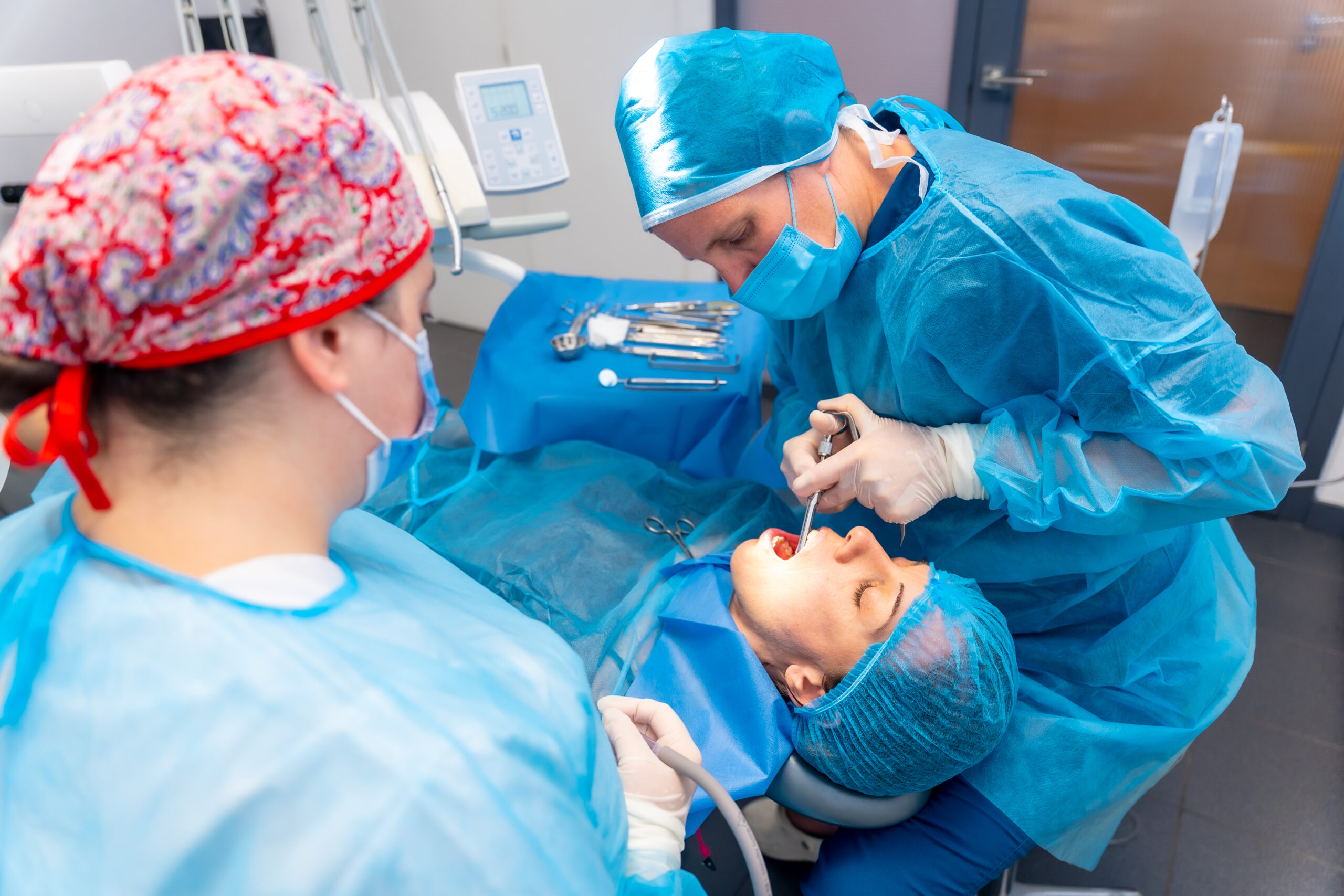
After the removal surgery, some pain or discomfort is expected, but when it extends to the ear or jaw, it can be alarming. There are a few potential reasons why you might feel this discomfort, including:
1. Jaw Muscle Strain
The oral surgery process of tooth extraction, especially if the tooth is impacted or requires surgical removal, can strain the muscles of your jaw. The muscles around your jaw may become sore or overexerted during the procedure. As the area heals, you may feel tightness or aching that radiates to your ear.
2. TMJ (Temporomandibular Joint) Stress
The temporomandibular joint, or TMJ, connects your jaw to your skull and is responsible for jaw movement. Sometimes, the trauma from tooth removal can aggravate the TMJ, especially if the extraction was difficult. This can lead to pain in the jaw and ear areas, along with other symptoms such as jaw clicking or difficulty opening your mouth.
3. Nerve Irritation or Damage
In rare cases, the nerves in the mouth may be irritated or damaged during the extraction process. This can result in referred pain to other parts of the face, including the ear and jaw. The discomfort may feel like a deep ache that persists without relief.
4. Infection or Dry Socket
While relatively uncommon, an infection or dry socket can occur after the surgery. Dry socket happens when the blood clot that forms in the extraction site is dislodged or dissolves prematurely, leaving the bone exposed. This can cause intense pain that can radiate to the jaw and ear.
5. Sinus Pressure
In cases where the upper teeth are extracted, such as wisdom teeth in the back of the mouth, the extraction can sometimes cause sinus pressure. The sinus cavity is located near the upper jaw, and any disturbance in this area can lead to pain that extends to the ear.
How to Manage and Treat Ear and Jaw Pain After Tooth Extraction?
Managing ear and jaw pain after a tooth removal typically involves a combination of self-care methods and professional treatment. Here are some steps you can take to alleviate discomfort:
- Apply a Cold Compress: In the first 24-48 hours, applying a cold compress can help reduce inflammation and numb the area to relieve pain.
- Pain Relievers: Over-the-counter pain medications can help manage pain and reduce swelling. Be sure to follow your oral surgeon’s guidelines on proper dosage.
- Gentle Jaw Exercises: If your jaw is stiff, gentle exercises can help keep the muscles from becoming too tight. Start by opening your mouth slowly and gradually, then close it without forcing it.
- Rest: Avoid overexerting yourself during the recovery period. Resting will help your body heal more effectively and minimize unnecessary stress on the jaw and ears.
- Follow Post-Operative Instructions: Always follow post-operative care instructions. These may include keeping the area clean, avoiding certain foods, and using prescribed medications.
TMJ After Tooth Extraction: Should You Be Concerned?
After a tooth removal, some patients may experience temporary discomfort related to the temporomandibular joint (TMJ). This can occur due to the pressure and manipulation required during the procedure. TMJ-related pain can often resolve on its own as the body heals. However, if you continue to experience discomfort or difficulty moving your jaw after several days or weeks, it’s best to consult with your oral surgeon or dentist. They may recommend further treatment, such as physical therapy or a night guard to protect your jaw while you sleep.
Recovery and Care After Tooth Extraction
Recovering from a tooth removal can be a smooth process with the right care and attention. If you are living in Hattiesburg or the nearby areas and searching for an oral surgeon, look for someone with experience and a clear post-operative care plan. Remember to follow your surgeon’s guidelines and reach out to them if you experience any unusual pain or discomfort, such as persistent ear or jaw pain.
If you’re dealing with any issues related to tooth extraction or need a consultation, contact Cronin Family Dentistry for expert care and guidance. We’re here to help you feel comfortable and get back to your everyday life in no time!
Frequently Asked Questions
Is ear pain normal after tooth extraction?
It’s not uncommon to experience ear pain after a tooth removal, especially if the extraction was complex. This pain is usually referred from the jaw or TMJ. If the pain persists or worsens, it’s important to consult your dentist or oral surgeon.
What is TMJ after tooth extraction?
TMJ (temporomandibular joint) discomfort can occur after the surgery if the joint is stressed during the procedure. This is a common occurrence and typically resolves as the jaw heals. However, if symptoms persist, further evaluation by your oral surgeon may be necessary.
How long does ear and jaw pain last after tooth extraction?
Typically, ear and jaw pain after a tooth removal will improve within a few days. However, if you notice ongoing discomfort after a week or two, it’s worth seeking advice from your oral surgeon to rule out complications.
Can a dry socket cause jaw or ear pain?
Yes, dry socket can lead to severe pain that can radiate to the ear and jaw. Dry socket occurs when the blood clot in the socket is dislodged, exposing the bone. Prompt care by your oral surgeon is needed to treat this condition.
What if my pain doesn’t go away after tooth extraction?
If pain persists beyond the usual recovery time or if it intensifies, contact your oral surgeon. This could be a sign of complications such as infection, dry socket, or nerve irritation.