
Hattiesburg: 601-450-5550
Is Wisdom Teeth Removal Painful? What Patients Really Experience


Is Wisdom Teeth Removal Painful? What Patients Really Experience
By Cronin Dentistry | February 10, 2026
When the dentist tells you it’s time to remove your wisdom teeth, a wave of questions and worries can flood your mind. Many wonder, “Is wisdom teeth removal painful?” “How bad is the recovery?” or even, “Will I be awake during the procedure?” It’s completely natural to feel anxious about this common dental procedure. This is especially true if you’re from Columbia, where the warmth of the Magnolia State invites residents to enjoy outdoor activities like the Columbia Arts & Music Festival or a leisurely afternoon at Garrett Park. While we’re all familiar with the idea of dental procedures, the thought of having surgery, even one that’s routine, can seem intimidating.
Statistics show that nearly 85% of Americans need their wisdom teeth removed, often by the time they reach their late teens or early twenties. (Source: CDC). This high number underscores that wisdom tooth removal is one of the most common dental surgeries performed across the country, and your experience may be very similar to many others.
For patients in Columbia, choosing the right oral surgeon makes a significant difference in comfort, safety, and recovery outcomes.
Ready to Feel Confident About Your Wisdom Teeth Removal?

At Cronin Dentistry, wisdom teeth extractions are performed with a strong focus on patient comfort, advanced anesthesia options, and precise surgical techniques. Dr. Joe Cronin, a trusted dental surgeon in Columbia, takes time to explain every step of the process and personalize care based on your needs and comfort level.
If you’re experiencing pain, crowding, or have been advised to remove your wisdom teeth, schedule a consultation today to discuss your options and get clear answers before discomfort turns into a bigger issue.
Book your wisdom teeth consultation today and take the first step toward a smoother, stress-free recovery.
Understanding Wisdom Teeth Extraction
Before diving into the potential pain and discomfort of the procedure, let’s first talk about what wisdom teeth are and why they’re often removed. Wisdom teeth are the last set of molars located at the back of your mouth, typically appearing in your late teens or early twenties. They were once necessary for grinding down plant material in our ancestors’ diets. However, as diets have changed, these third molars have become more of a nuisance. They often cause overcrowding, misalignment of other teeth, or even infection if they don’t come in properly.
In many cases, wisdom teeth are extracted because they don’t have enough room to grow or they become impacted. This means they’re trapped beneath the gum line and can cause pain or infection. That’s when a reliable oral surgeon will suggest removal.
Will This Procedure Hurt?
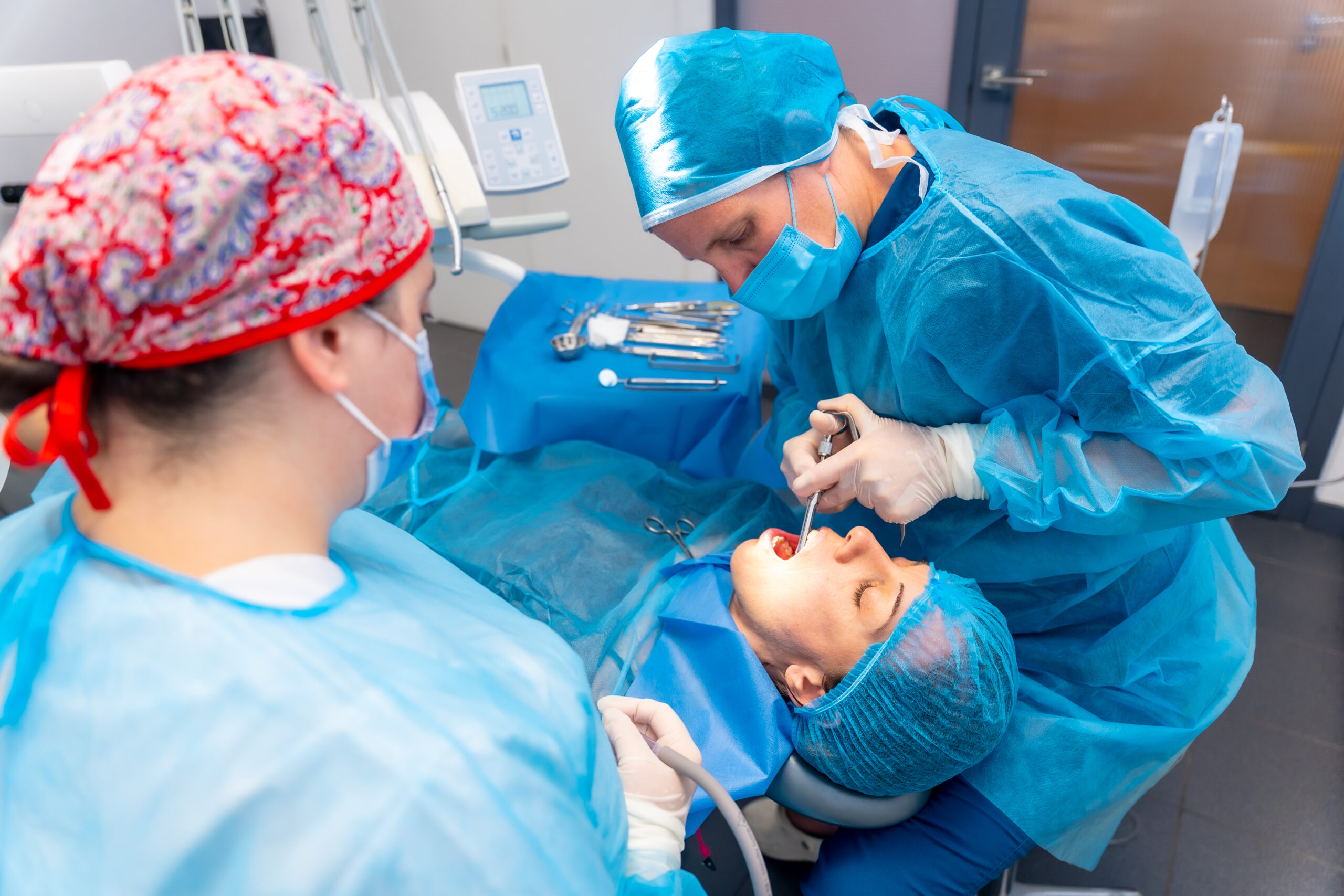
This is the million-dollar question! The short answer is: Not really, but it depends. Most patients will be under anesthesia during the procedure, meaning you’ll be completely asleep or numbed. For those who opt for local anesthesia, your dental surgeon in Columbia will numb the area around your wisdom teeth. Therefore, you won’t feel the procedure, though you may experience pressure.
There are a few factors that influence how painful the recovery will be:
- How impacted the teeth are: If your wisdom teeth are fully erupted and easy to remove, the process will be less painful. But if your teeth are impacted or partially stuck under the gums, the procedure may be more invasive, requiring a slightly longer healing period.
- The skill of your oral surgeon: A highly experienced oral surgeon, like ours ensure that the procedure is as smooth and painless as possible.
- Your pain tolerance: Everyone’s pain threshold is different. Some patients feel little discomfort, while others might need more time to heal fully.
What to Expect While Healing After Wisdom Teeth Removal?
When you wake up from the anesthesia, you might feel groggy, but don’t be alarmed; this is totally normal. For the first few days after the procedure, you’ll likely feel swelling, bruising, and some discomfort, but pain management is straightforward. Your dental professional will prescribe medication to keep you comfortable during the healing process. Ice packs applied to your face can reduce swelling, and soft foods like mashed potatoes or soup will make eating easier.
It’s important to follow all aftercare instructions, especially when it comes to keeping the extraction site clean. However, most local residents often come up with some common queries like, ‘Do you get stitches after wisdom teeth removal?’ or ‘Do they sew your gums after wisdom teeth removal?’ In most cases, yes, your oral surgeon will place dissolvable stitches to close the wound. If stitches are necessary, they’re typically absorbed by the body over time, and you won’t need to visit for removal. However, it’s important to keep the area clean and monitor for any signs of infection, such as unusual swelling or fever.
Are you wondering what happens if you don’t get stitches after wisdom teeth removal? It is important to understand that the absence of stitches is rare and typically occurs when the extraction site is small. However, it can lead to slower healing and increased chances of infection.
Most wisdom teeth extractions involve dissolvable sutures that help the gums heal correctly. If you have questions about whether stitches are needed or what to expect as they heal, understanding stitches after wisdom teeth removal can provide helpful reassurance.
Pain Management After Surgery
The pain varies from person to person, but most people report some soreness or discomfort for a few days. Over-the-counter medications like ibuprofen can help manage pain, but your dental surgeon may also prescribe stronger pain relief if necessary. Make sure to follow the prescribed dosage and avoid any activities that could worsen your condition, like vigorous exercise or eating hard foods.
The real question lies, ‘How long does it take to heal?’ It typically takes about 1 to 2 weeks for the worst of the pain and swelling to subside. However, complete recovery can take 3 to 6 months, depending on the complexity of your surgery and how well you follow the instructions.
What to Do to Ease the Discomfort?
- Rest and recovery: Don’t rush back to your usual routine. Take a couple of days off from work or school to allow your body to heal.
- Use cold compresses: Applying ice packs to the outside of your cheek for 15-minute intervals can help reduce swelling.
- Stick to soft foods: Avoid hard, crunchy foods for the first week or two after surgery. Foods like yogurt, mashed potatoes, and smoothies are great options.
- Avoid smoking and drinking through a straw: Both can interfere with healing, and the sucking motion from drinking through a straw could dislodge blood clots, leading to dry socket—a painful condition where the blood clot that forms in the tooth socket dislodges, exposing bone and nerves.
What Are the Risks and Complications?
Though wisdom teeth removal is generally safe, there are a few risks involved, such as:
- Infection: Always follow the aftercare instructions to minimize the risk of infection.
- Dry Socket: This happens when the blood clot dislodges, exposing the bone, and it can cause severe pain.
- Nerve Damage: In rare cases, the nerves around the wisdom teeth can be injured, leading to numbness or tingling in the tongue, lip, or chin. Fortunately, this is temporary for most patients.
When Should You Seek Professional Care?
Contact your oral surgeon if you experience any of the following:
- Severe pain that doesn’t improve with medication
- Prolonged or excessive bleeding
- Swelling that gets worse or doesn’t subside
- Fever or signs of infection
Choose a Trusted Oral Surgeon For a Smooth Wisdom Tooth Extraction
Undergoing this procedure is a common experience, but understanding the process can help ease your concerns. While some discomfort and swelling are part of the recovery, the procedure is generally well-tolerated, and with the right care, most people recover quickly. The key to a smooth recovery is following the aftercare instructions, managing pain effectively, and taking time to rest.
For those living in Columbia, knowing how to prepare and what to expect can make the entire process much more manageable. If you’re considering wisdom teeth removal or want more details about the aftercare, schedule a consultation or visit our practice. Book an appointment today and take the first step toward a healthier smile!
FAQs About Wisdom Teeth Removal
How long does the pain last after wisdom teeth removal?
Pain typically lasts 3 to 4 days, with the worst discomfort occurring in the first 48 hours. After that, it gradually improves. Follow the pain management instructions.
Is it necessary to remove wisdom teeth even if they don’t hurt?
Not always. However, dental specialists often recommend removal to avoid potential future problems, like crowding or infection. Professional consultations is important to assess the situation.
How can I speed up recovery after wisdom teeth removal?
Rest is key. Keep your head elevated while sleeping, follow the post-operative instructions, and stick to soft foods. Cold compresses can also help with swelling.
Can I exercise after getting my wisdom teeth removed?
It’s best to avoid intense physical activity for at least 3 to 5 days. Light walking is fine, but avoid heavy lifting or running as it may increase swelling or lead to dry socket.
When can I return to work or school after wisdom teeth removal?
Most patients can return to work or school in 2 to 3 days if they feel up to it. However, some may need a longer recovery time, especially if the procedure was more complex.
What should I avoid after wisdom teeth removal?
Avoid smoking, drinking through a straw, and eating hard or crunchy foods. These actions can interfere with healing or lead to complications like dry socket.