Hattiesburg: 601-450-5550
Can Smokers Get Dental Implants? Risks, Success Rates & What to Know


Can Smokers Get Dental Implants? Risks, Success Rates & What to Know
By Cronin Dentistry | March 18, 2026
Smokers can receive dental implants, but tobacco use raises the risk of implant failure, delayed healing, and infection. Research cited by the American Dental Association shows smoking reduces blood flow and bone integration. Quitting before and after surgery significantly improves success rates and long-term stability.
Introduction
In communities like Hattiesburg, many patients considering tooth replacement quietly wonder whether smoking automatically disqualifies them from implant treatment. Some hesitate to schedule consultations because they assume they’ll be turned away or judged for their habit. Others worry about wasting money if implants fail due to tobacco use.
Understanding the real clinical risks—not myths—helps patients make informed decisions. This guide explains how smoking affects implant outcomes, what success rates actually show, and what steps can improve healing if you use nicotine products.
How Smoking Affects Dental Implant Healing
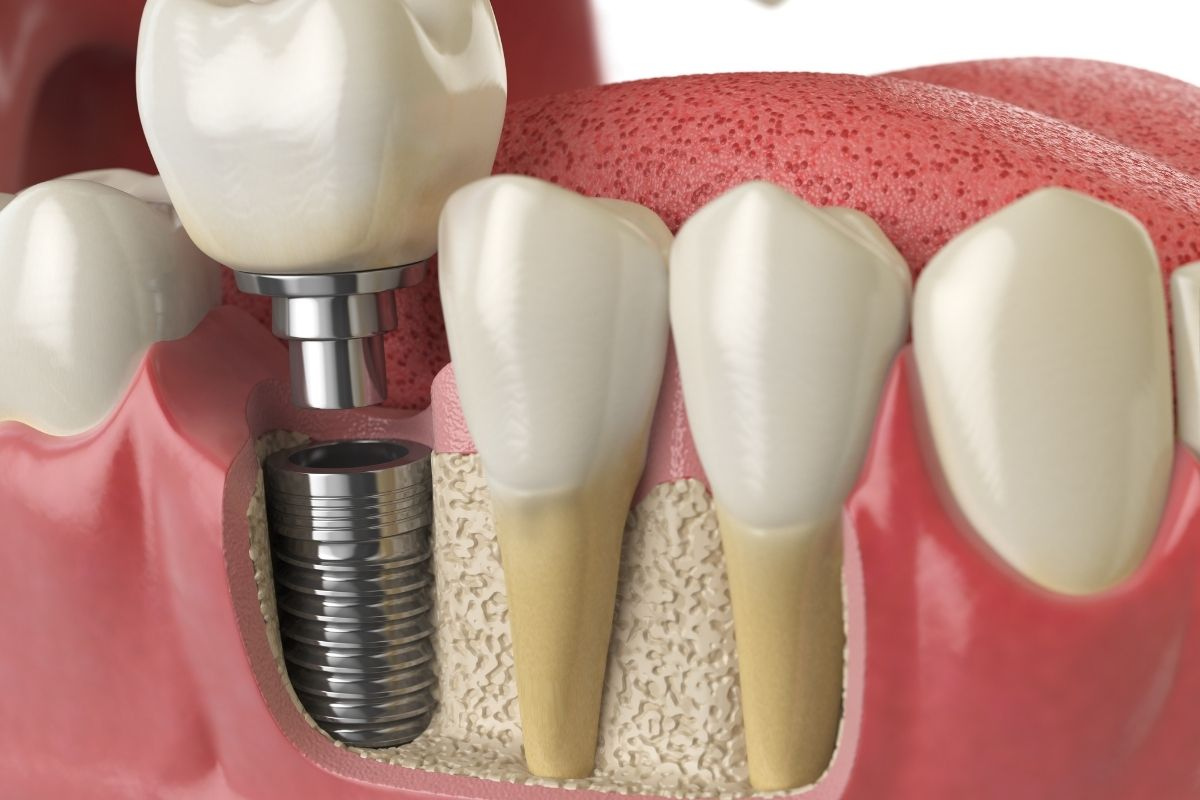
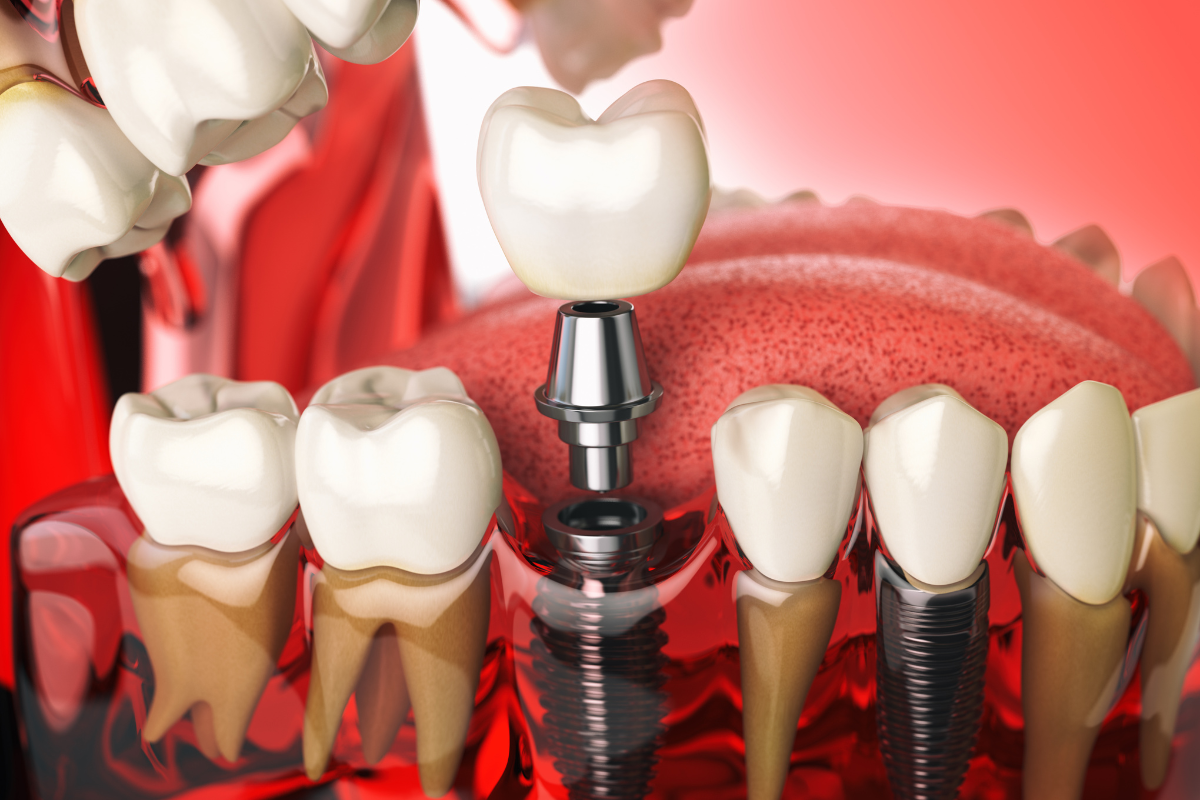
Dental implants rely on a biological process called osseointegration, where bone fuses with the implant surface. Smoking interferes with this process in several ways:
Reduced Blood Flow
Nicotine constricts blood vessels, limiting oxygen delivery to healing tissues. This slows bone regeneration and soft-tissue repair after surgery.
Higher Infection Risk
Tobacco smoke alters immune response, increasing susceptibility to peri-implant infections and inflammation.
Impaired Bone Formation
Clinical studies in journals such as Clinical Oral Implants Research show smokers often have lower bone density around implants, which can compromise stability.
Patients exploring tooth replacement options in local implant clinics in Hattiesburg are often surprised to learn that these effects are measurable, not just theoretical.
Success Rates: Smokers vs. Non-Smokers
Research consistently demonstrates a gap in outcomes:
- Non-smokers: implant success rates commonly exceed 94–98%
- Smokers: rates may drop to 85–90% depending on smoking frequency and overall health
The difference stems mainly from healing complications rather than implant design or surgical technique.
However, smoking does not automatically prevent treatment. Many providers offering implant procedures in the Hattiesburg area still place implants for smokers after evaluating risk factors such as:
- Daily cigarette count
- Bone volume
- Gum health
- Medical history
When Dentists May Recommend Delaying Treatment
A clinician may suggest postponing implant placement if certain conditions are present:
- Active gum disease
- Heavy smoking habits
- Poor oral hygiene
- Uncontrolled diabetes
Stabilizing these factors first improves long-term prognosis. Patients visiting a Hattiesburg dental implant provider often undergo imaging and periodontal evaluation before receiving approval for surgery.
Steps That Improve Implant Success for Smokers
Patients who cannot quit permanently can still reduce risk by following evidence-based protocols:
1. Temporary Smoking Cessation
Stopping tobacco at least 1–2 weeks before surgery and 2 months after significantly enhances healing.
2. Nicotine Replacement Alternatives
Patches or lozenges may be recommended instead of smoking, since combustion toxins, not just nicotine, damage tissues.
3. Strict Oral Hygiene Routine
Daily brushing, interdental cleaning, and antimicrobial rinses help control bacterial load.
4. Professional Maintenance Visits
Regular monitoring allows early detection of inflammation before bone loss occurs.
Clinics providing dental implants in Hattiesburg often emphasize these protocols as part of pre-surgical planning.
Are Former Smokers Better Candidates?
Yes. Studies show former smokers have success rates close to non-smokers, especially if they quit for several months before surgery. Bone metabolism and circulation gradually improve after cessation, reducing complications.
Warning Signs of Implant Complications
Patients should contact their dentist promptly if they notice:
- Persistent pain beyond normal healing
- Gum swelling or discharge
- Implant mobility
- Bad taste or odor near the implant
Early treatment can often reverse inflammation and preserve the implant.
Long-Term Outlook for Smokers With Implants
Even when implants integrate successfully, smoking continues to affect long-term stability. Tobacco use increases the likelihood of peri-implantitis, a condition similar to gum disease that can lead to bone loss.
That’s why clinicians who place implants locally in Hattiesburg typically recommend ongoing preventive visits every 3–6 months for smokers rather than the standard twice-yearly schedule.
Practical Perspective: Risk vs. Possibility
It’s important to distinguish between higher risk and impossibility:
- Smoking increases complications
- But many smokers still maintain implants for years
- Risk reduction strategies meaningfully improve outcomes
In other words, candidacy depends on individualized assessment, not a single lifestyle factor.
When to Consider a Consultation
If you smoke and are exploring tooth replacement, a personalized evaluation is the most reliable way to understand your options. A clinical exam, imaging, and risk assessment can determine whether implants are appropriate now or after preventive steps.
Ready to discuss your options? Scheduling a consultation with Cronin Dentistry allows you to review your health history, understand realistic outcomes, and receive guidance on improving implant success.
FAQs
Can you get dental implants if you smoke occasionally?
Occasional smokers generally have better outcomes than heavy smokers, but even light tobacco use can affect healing. Your dentist will evaluate frequency and overall oral health before recommending treatment.
How long should you stop smoking before implant surgery?
Most clinical guidelines suggest stopping at least one to two weeks before placement and avoiding smoking for several weeks afterward to support bone integration.
Do e-cigarettes affect implant healing?
Yes. While they lack combustion toxins, nicotine still restricts blood flow and may delay healing.
Are implants more likely to fail years later if you smoke?
Long-term studies indicate smokers have a higher risk of peri-implant bone loss, especially if oral hygiene and professional maintenance are inconsistent.
Can implants succeed if you quit after surgery?
Yes. Quitting even after placement can improve tissue health and reduce complications, increasing the chances of long-term success.