Hattiesburg: 601-450-5550
Why Do My Gums Bleed When I Brush? Causes, Risks & When to See a Dentist

Why Do My Gums Bleed When I Brush? Causes, Risks & When to See a Dentist
By Cronin Dentistry | March 4, 2026
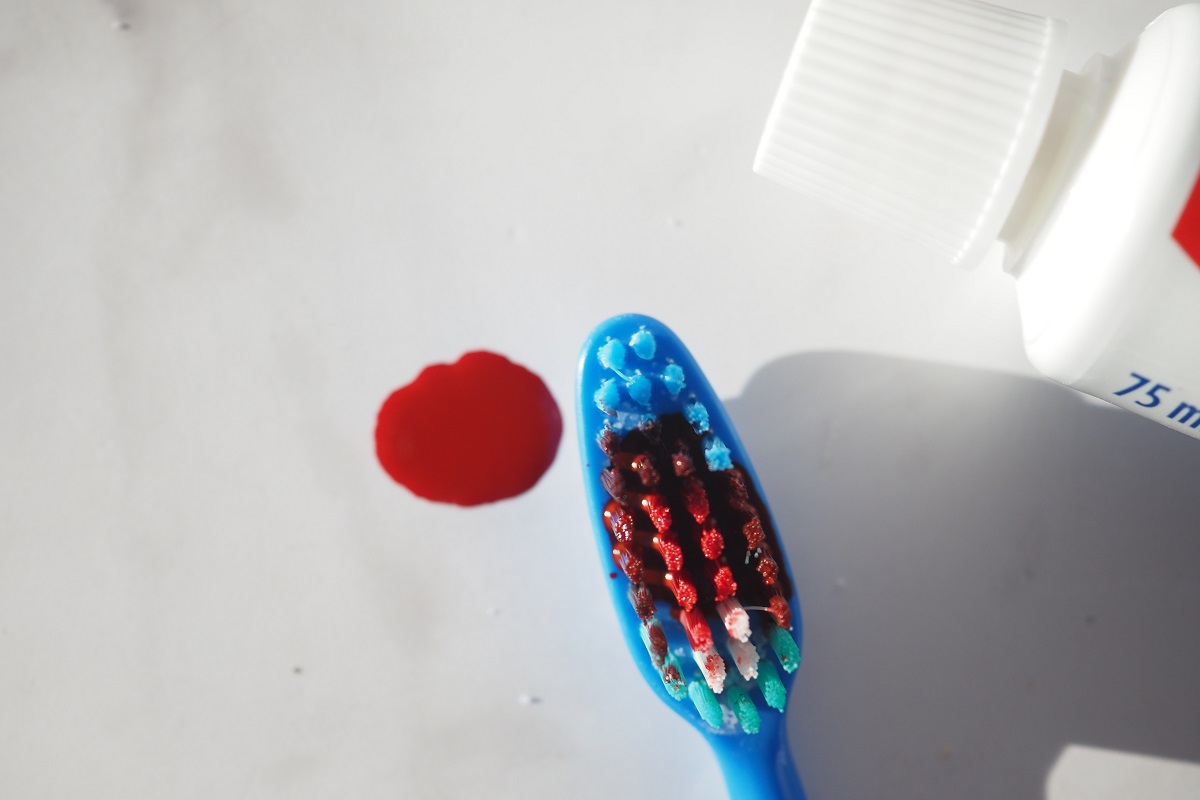
Bleeding gums while brushing can be unsettling. Many people in Hattiesburg notice a bit of pink in the sink when brushing or flossing and wonder if it’s something minor or a sign of a deeper issue. Sometimes it happens after switching toothbrushes or brushing a little too hard, but in other cases, it may signal irritation or early gum problems that shouldn’t be ignored.
For families throughout the Pine Belt area, daily routines like brushing and flossing are meant to protect oral health, not create concern. If you’ve noticed bleeding more than once, it’s worth understanding why it happens and what it may indicate. Learning the causes and warning signs can help you take steps to protect your gums and avoid more serious dental issues later.
Take the next step toward healthier gums. Schedule your visit today!

At Cronin Dentistry, patients are welcomed into a community-focused practice where comfort and clear communication matter. The team uses advanced dental technologies, modern materials, and proven procedures to help individuals and families maintain strong oral health.
Patients receive care from Dr. C. Kelly Cronin, Dr. Caitlin Morris, and Dr. Joe Cronin, who work together to provide attentive and thoughtful dental care for the community.
From the moment you arrive, the focus is on personalized care. Every visit includes time to listen, understand concerns, and discuss treatment options. The dental assistants and hygienists are licensed professionals who stay current with modern dental techniques and patient communication practices.
Patients visiting a Hattiesburg-area dental practice often appreciate the welcoming atmosphere and the attention given to their comfort during appointments. Schedule your visit today and take the next step toward healthier gums and a more comfortable dental experience.
Why Do Gums Bleed When You Brush?
Healthy gums typically do not bleed during brushing. When bleeding occurs repeatedly, it usually means the gum tissue is irritated, inflamed, or responding to bacterial buildup.
Common causes include:
1. Plaque Buildup Along the Gumline
Plaque is a sticky film of bacteria that forms on teeth daily. When it isn’t removed thoroughly, it accumulates near the gumline and irritates the tissue.
Over time, this irritation can lead to inflammation, making gums tender and more likely to bleed during brushing or flossing.
2. Gingivitis (Early Gum Disease)
One of the most frequent causes of bleeding gums is gingivitis, the earliest stage of gum disease.
Symptoms may include:
- Red or swollen gums
- Bleeding while brushing or flossing
- Tender gum tissue
- Persistent bad breath
The encouraging news is that gingivitis can often be reversed with professional cleanings and improved home care.
3. Brushing Too Aggressively
Many people believe brushing harder cleans better, but excessive pressure can irritate gum tissue and lead to bleeding.
Using a soft-bristled toothbrush and gentle circular brushing motions can help protect the gums.
4. Starting a New Flossing Routine
If you recently started flossing after a long break, you may notice mild bleeding initially.
This usually improves within a few days as the gums become healthier and inflammation decreases.
5. Hormonal Changes
Hormonal fluctuations during pregnancy, puberty, or menopause can increase gum sensitivity and inflammation, making bleeding more likely.
6. Certain Medications
Blood-thinning medications or some prescription drugs can affect how gums respond to brushing and may increase bleeding.
If bleeding persists, discussing medications with both your physician and dental provider can help determine if adjustments are needed.
Why Do My Gums Bleed When I Brush?
Gums may bleed during brushing due to plaque buildup, gingivitis, aggressive brushing, or irritation along the gumline. While occasional bleeding can occur, persistent bleeding is often a sign of gum inflammation and should be evaluated by a dental professional to prevent progression to more advanced gum disease.
Warning Signs You Shouldn’t Ignore
Bleeding gums can sometimes seem minor, but when certain symptoms appear alongside bleeding, they may indicate developing periodontal concerns.
Watch for these warning signs:
- Persistent bleeding during brushing or flossing
- Red or swollen gums
- Gum tenderness or discomfort
- Receding gums
- Loose teeth or shifting bite
- Chronic bad breath
Ignoring these symptoms can allow gum disease to progress from gingivitis to periodontitis, a more advanced condition affecting the supporting structures of the teeth.
Seeking guidance from a dental provider serving the Hattiesburg community can help identify problems early and prevent long-term complications.
How Dentists Evaluate Bleeding Gums
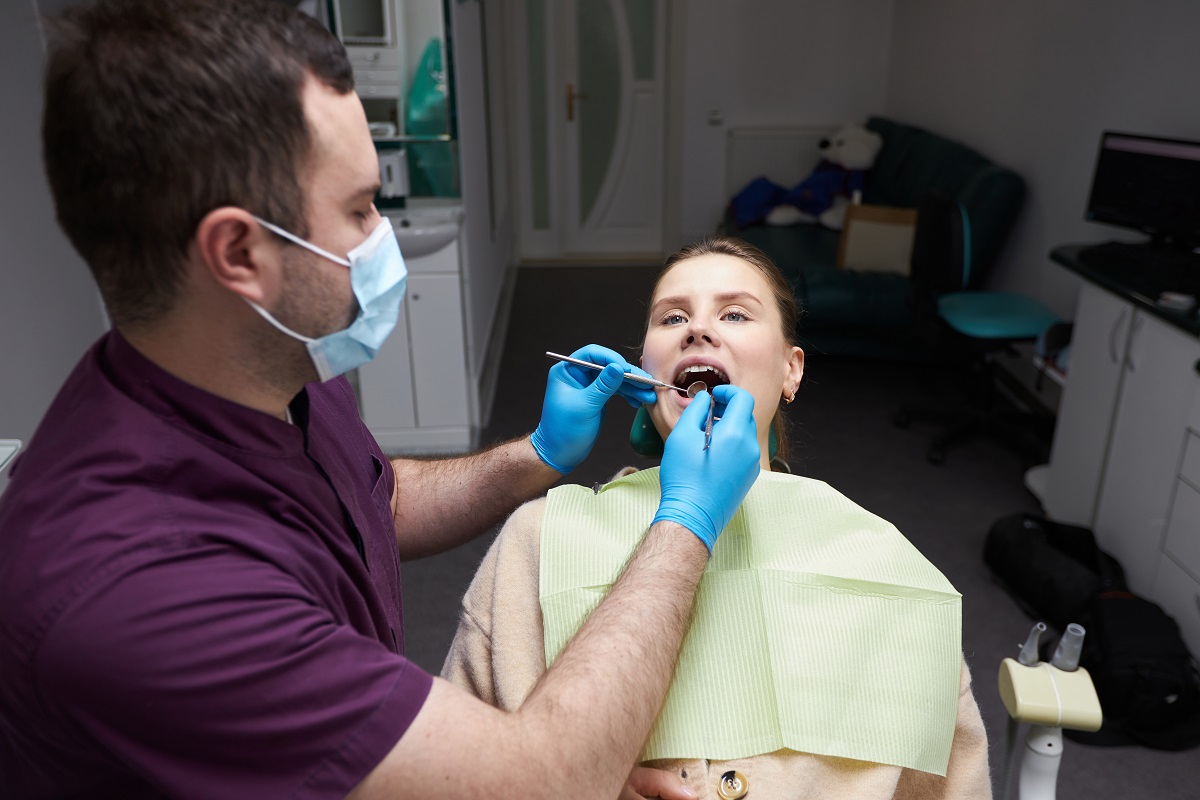
When patients mention bleeding gums, a dental visit typically includes several steps to determine the cause.
Gum Health Examination
Your dentist or hygienist will examine the gum tissue and measure the depth of spaces around the teeth, known as periodontal pockets.
Plaque and Tartar Assessment
Hardened plaque (tartar) buildup may be identified along the gumline and between teeth.
Review of Oral Hygiene Habits
Your dental team may ask questions about brushing techniques, flossing routines, and dental products used at home.
Digital Imaging or X-rays
If needed, imaging helps assess bone support around the teeth and identify any deeper periodontal concerns.
These evaluations help determine whether bleeding is due to irritation, gingivitis, or a more advanced gum condition.
Steps That Can Help Reduce Gum Bleeding
Improving gum health often involves a combination of home care habits and professional dental support.
Helpful steps include:
Use a soft-bristle toothbrush
Brush gently along the gumline for two minutes twice daily.
Floss consistently
Daily flossing removes plaque between teeth where toothbrushes cannot reach.
Maintain routine dental cleanings
Professional cleanings remove tartar buildup that brushing alone cannot eliminate.
Choose an antimicrobial mouthwash when recommended
This may help reduce bacteria that contribute to gum inflammation.
Avoid tobacco products
Smoking can worsen gum disease and slow the healing of gum tissue.
Consistent oral care habits play a major role in reducing inflammation and protecting long-term gum health.
What Patients Are Saying About Cronin Dentistry
One of our patients wrote:
“Cronin’s Family Dentistry is a beautiful, kind, professional clinic. Sami the hygienist was amazing. She was thorough and cleaned my teeth and gums so they glowed. Dr Joe Cronin was friendly, kind, and professional. He made me feel comfortable and sure my teeth are in good shape. I definitely recommend Cronin Family Dentistry if you’re looking for a new dentist.” – Melissa Martin
Reading patient feedback offers insight into what others experience during their visits. You can explore more Google reviews to see how the team supports families throughout the community.
When Should You Schedule a Dental Visit?
Occasional mild bleeding might occur after flossing or brushing harder than usual. However, persistent bleeding should always be evaluated.
Consider scheduling a visit if:
- Bleeding occurs regularly
- Gums appear swollen or dark red
- Gum tissue feels sore or tender
- Bleeding continues for more than a week
- You notice gum recession or loose teeth
Early care can help address gum concerns before they lead to more complex periodontal issues.
Protecting Your Gum Health Starts With Awareness
Bleeding gums are often the body’s way of signaling that something needs attention. Whether the cause is plaque buildup, brushing habits, or early gum disease, identifying the issue early can make a significant difference in maintaining oral health.
If you’ve noticed bleeding during brushing or flossing, our team at Cronin Dentistry is here to help evaluate your gum health and discuss ways to restore comfort and stability.
Schedule a visit today with us to talk with the dental team and take a proactive step toward healthier gums and long-term oral wellness.
Frequently Asked Questions
Is it normal for gums to bleed when brushing?
Occasional bleeding can occur, especially if you recently started flossing or brushed aggressively. However, frequent bleeding is often a sign of gum inflammation and should be checked by a dental professional.
Can bleeding gums heal on their own?
If the cause is mild irritation or inconsistent oral hygiene, gums may improve with better brushing and flossing habits. Persistent bleeding usually requires professional evaluation.
What toothbrush is best for bleeding gums?
Dentists typically recommend soft-bristled toothbrushes because they clean effectively while minimizing irritation to the gum tissue.
Does flossing make bleeding gums worse?
Flossing may initially cause mild bleeding if the gums are inflamed. With consistent daily flossing, the gums often become healthier, and bleeding decreases.
Can diet affect gum health?
Yes. A balanced diet rich in vitamins, particularly vitamin C and vitamin K, supports gum tissue health and healing.
When should bleeding gums be considered serious?
Bleeding that occurs frequently, lasts longer than a week, or appears with swelling, pain, or loose teeth should be evaluated by a dentist promptly.