Hattiesburg: 601-450-5550
5 Signs Your Dentist May Recommend Fluoride Treatments for Cavity Prevention

5 Signs Your Dentist May Recommend Fluoride Treatments for Cavity Prevention
By Cronin Dentistry | June 4, 2026
Around Columbia and Hattiesburg, many patients assume fluoride treatments are only for children at school or during routine cleanings. But at dental visits, one of the more common surprises we see is adults learning they may actually be at a higher risk for cavities than they realized. Sometimes it is recurring decay despite good brushing habits. Other times, it is enamel that has quietly weakened over the years. The recommendation for fluoride often comes down to patterns your dentist notices before bigger dental problems start.

At Cronin Family Dentistry, Dr. C. Kelly Cronin and his team work with children, teens, adults, and seniors to help prevent dental issues before they turn into more extensive treatment. Dr. Cronin is a graduate of the University of Mississippi Medical Center School of Dentistry and holds a Certificate of Advanced Education in General Dentistry. Before dental school, he earned a Bachelor of Science degree in Health Education and Administration from the University of Southern Mississippi and has been recognized academically through awards and scholarships for his service in community health. With a preventive, patient-centered approach, Dr. Cronin and his team regularly evaluate cavity risk factors and recommend professional fluoride treatments when they can help strengthen enamel and support long-term oral health.
Professional fluoride treatments are not a one-size-fits-all recommendation. Here are five signs your dentist may suggest them to help prevent cavities. If you have questions about cavity prevention or want to know whether fluoride treatments are right for you or your child, contact Cronin Family Dentistry to schedule an appointment with our team.
You Keep Getting Cavities Even Though You Brush Regularly
One of the clearest signs a dentist may recommend fluoride treatment is a pattern of recurring cavities.
Many patients feel frustrated when they hear they have another cavity despite brushing twice a day. What people often do not realize is that brushing alone does not always tell the full story. Diet, genetics, dry mouth, medications, enamel strength, and even inconsistent flossing can influence cavity risk.
A patient may have decent oral hygiene habits but still develop weak spots in enamel where bacteria and acid begin breaking teeth down.
Professional fluoride treatments work differently from toothpaste because they contain a higher concentration of fluoride designed to help strengthen enamel and remineralize tiny early areas of decay before they progress.
In some cases, a family dentist in Hattiesburg may recommend fluoride every six months during cleaning appointments if recurring cavities become a pattern.
Your Dentist Notices Early Signs of Enamel Weakening
Cavities do not always begin as holes in teeth.
Before visible decay develops, dentists often notice subtle changes such as weakened enamel, chalky white spots, or areas beginning to soften. These early warning signs matter because they may still be reversible.
Fluoride helps support a process called re-mineralization, where weakened enamel absorbs minerals to rebuild strength before a cavity becomes large enough to require a filling.
This is one reason patients are sometimes surprised when their dentist recommends fluoride even when they are not feeling pain.
No pain does not always mean no risk.
Dentists often focus on prevention during these earlier stages because waiting until symptoms appear can mean the tooth already needs restorative treatment.
Your Child Is Still Learning Good Oral Hygiene Habits
Children are naturally at a higher risk for cavities as teeth develop and brushing habits improve over time.
Even kids who brush daily may miss certain areas, snack frequently, or struggle to floss consistently. During growth and development, enamel benefits from extra protection.
That is one reason fluoride treatments are commonly recommended during six-month cleaning appointments for children.
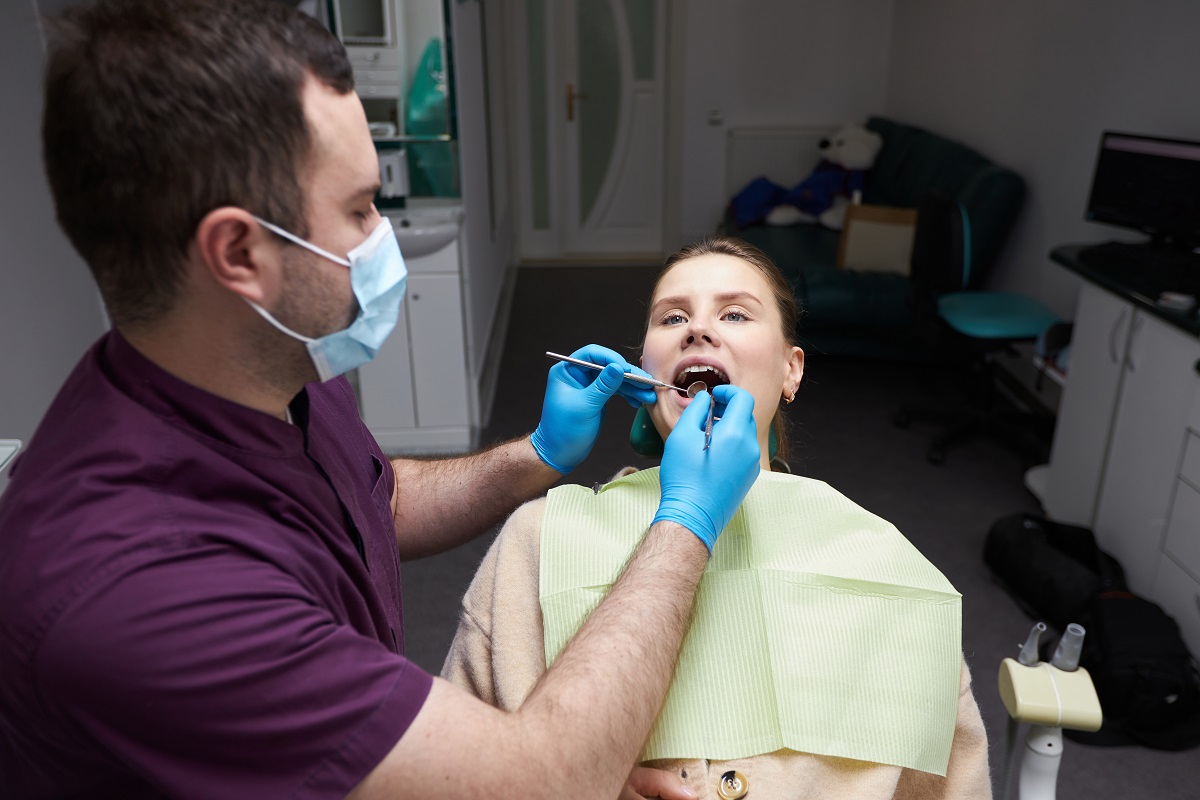
At Cronin Family Dentistry, fluoride treatments are typically applied as a varnish, gel, foam, or rinse, depending on the patient’s needs. The process is quick and noninvasive, making it an easy preventive step during a routine visit.
Parents sometimes hesitate because they assume fluoride is only necessary if their child already has cavities. In reality, dentists often recommend it to help lower the chance of cavities developing in the first place.
You Have Dry Mouth or Conditions That Increase Decay Risk
Saliva plays a much bigger role in protecting teeth than many people realize.
It helps wash away food particles, neutralize acids, and naturally protect enamel. When saliva decreases, cavity risk often rises.
Patients with dry mouth may notice increased sensitivity, bad breath, or a sticky feeling in the mouth, but others may not realize anything has changed until decay appears.
Certain medications, aging, medical conditions, or even chronic mouth breathing can contribute to dry mouth.
For these patients, fluoride treatments may become an important layer of cavity prevention because teeth are exposed to acid for longer periods without the normal protective benefits of saliva.
A preventive dental professional in Hattiesburg may recommend fluoride more frequently for patients with elevated cavity risk factors rather than waiting for problems to appear.
You Already Have Dental Work That Needs Extra Protection
Patients with crowns, fillings, bridges, or a history of dental treatment sometimes assume repaired teeth cannot get cavities again.
The reality is more complicated.
Decay can still form around the edges of restorations where bacteria collect. Older fillings, especially, may leave small vulnerable areas over time.
Dentists often recommend fluoride for patients who have had extensive dental work because protecting the surrounding enamel helps reduce the chances of future treatment.
This preventive approach is especially helpful for patients who have experienced repeated dental issues or want to avoid needing additional restorative procedures later.
A Common Misconception: “I Use Fluoride Toothpaste, So I Do Not Need Treatments”
This is one of the most common assumptions dentists hear.
Fluoride toothpaste absolutely plays an important role in everyday prevention and should still be used consistently. However, professional fluoride treatments are stronger and remain on the teeth longer to provide concentrated protection.
Think of it this way: fluoride toothpaste supports daily maintenance, while professional treatment may provide added reinforcement when your dentist sees signs of increased cavity risk.
Not everyone needs fluoride treatments, but for the right patient, they can help slow or prevent issues before fillings become necessary.
When Is the Right Time to Ask About Fluoride?
Many people wait until they already have tooth sensitivity or visible damage before asking about prevention.
But the best time to discuss fluoride is during routine cleanings and exams, especially if you:
- Get cavities frequently
- Have sensitive or weakening enamel
- Have children prone to tooth decay
- Experience dry mouth
- Have extensive dental work
Sometimes the recommendation is temporary. Other times, dentists suggest fluoride as part of ongoing preventive care based on long-term cavity risk.
If you have been wondering whether fluoride treatments could help protect your smile, the team at Cronin Family Dentistry can evaluate your cavity risk and explain whether preventive fluoride care makes sense for you or your child. Whether you visit our Columbia or Hattiesburg office, we are here to help you make informed decisions about long-term oral health.
Preventing cavities is often easier than treating them later. By paying attention to early warning signs and making preventive care part of routine dental visits, we can help protect enamel, lower decay risk, and keep smiles healthier for years to come.
Frequently Asked Questions
How do I know if I need fluoride treatments?
Your dentist may recommend fluoride if you get frequent cavities, show early enamel wear, have dry mouth, or are considered at higher risk for tooth decay.
Can adults benefit from fluoride treatments?
Yes. While fluoride is often associated with children, adults with recurring cavities, weakened enamel, dental restorations, or dry mouth may benefit as well.
Do frequent cavities mean I need fluoride?
Not always, but recurring cavities are a common reason dentists recommend fluoride treatment to strengthen enamel and help reduce future decay risk.
Can fluoride treatments reverse early tooth decay?
Fluoride may help re-mineralize very early stages of enamel damage before a cavity fully develops, which is why early detection matters.
How often are fluoride treatments recommended?
For many patients, fluoride treatments happen during six-month cleaning visits. Some higher-risk patients may need them more frequently.
Is fluoride treatment safe for children?
Yes. Professional fluoride treatments are widely used in pediatric dentistry and are carefully applied by dental professionals.
What happens during a fluoride treatment appointment?
Your dentist may apply fluoride as a varnish, gel, foam, or rinse. The treatment is quick and typically completed during a regular cleaning visit.
Do I still need fluoride treatments if I use fluoride toothpaste?
Possibly. Toothpaste supports daily prevention, while professional fluoride treatments offer stronger protection for patients with elevated cavity risk.