Hattiesburg: 601-450-5550
CPAP Isn’t Working for You? A Dental Appliance Could Be Your Next Step

CPAP Isn’t Working for You? A Dental Appliance Could Be Your Next Step
By Cronin Dentistry | July 6, 2026
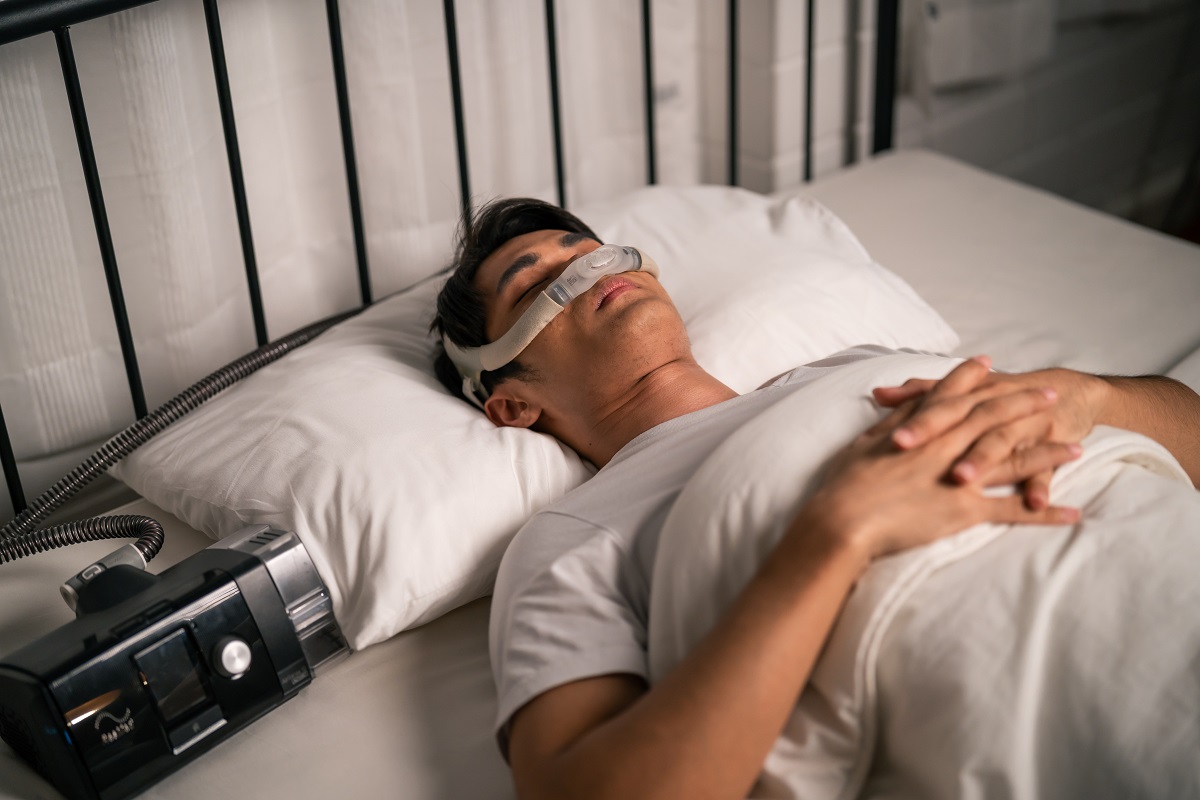
If you’ve been diagnosed with sleep apnea but dread putting on your CPAP mask every night, you’re not alone. Many people throughout Hattiesburg, Petal, Oak Grove, and Sumrall begin treatment with good intentions, only to find that mask discomfort, air leaks, dry mouth, or interrupted sleep make it difficult to stick with. The good news is that CPAP isn’t the only treatment option for every patient. In many cases, a custom-made dental appliance may provide a comfortable and effective alternative, depending on your diagnosis and individual needs.
About Dr. Joe Cronin
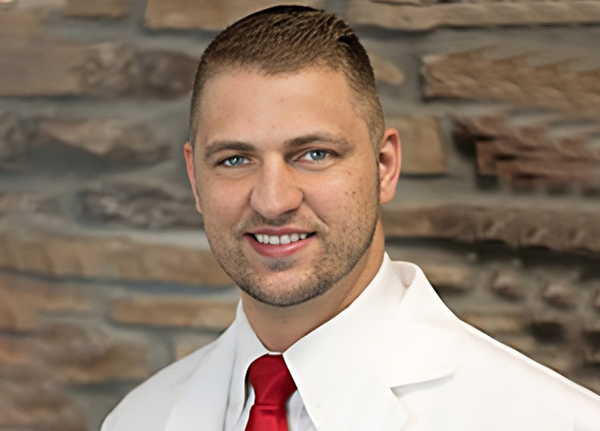
Dr. Joe Cronin at Cronin Dentistry takes a collaborative approach to treating obstructive sleep apnea through oral appliance therapy. By working alongside sleep physicians and focusing on personalized care, he helps patients explore comfortable treatment options that support better sleep and long-term health. If CPAP isn’t working for you, contact Cronin Dentistry today to schedule a consultation and find out if a custom oral appliance is the right solution for better sleep.
When CPAP Becomes More Frustrating Than Helpful
CPAP remains the gold standard for treating many cases of obstructive sleep apnea, especially severe cases. However, a treatment only works if it is used consistently.
In everyday practice, it’s common to meet patients who stopped using their CPAP weeks or even months ago because they couldn’t sleep comfortably with the mask. Others wear it for only a few hours each night before removing it without realizing it.
Some of the most common reasons include:
- Mask leaks that wake them repeatedly
- Claustrophobia or anxiety while wearing the mask
- Dry mouth or nasal irritation
- Difficulty sleeping in different positions
- Frequent travel that makes transporting equipment inconvenient
- Noise that disturbs their sleep or their partner’s sleep
These challenges don’t necessarily mean your sleep apnea has improved. Instead, they often indicate it’s time to discuss other evidence-based treatment options with your healthcare team.
A Dental Appliance Isn’t Just a Mouthguard
One of the biggest misconceptions is that a sleep apnea appliance is similar to an over-the-counter mouthguard.
It isn’t.
A custom oral appliance is precisely designed to gently reposition your lower jaw during sleep. This small adjustment helps prevent the soft tissues in the back of your throat from collapsing into your airway, reducing breathing interruptions throughout the night.
Unlike boil-and-bite products sold online, professionally fitted appliances are customized to your bite, jaw movement, and airway anatomy. They also require periodic adjustments to maximize effectiveness while minimizing jaw discomfort.
Patients searching for a dentist in Hattiesburg are often surprised to learn that these appliances are part of a medically recognized treatment plan rather than simply a dental device.
Who May Benefit From an Oral Appliance?
Not everyone diagnosed with sleep apnea is an ideal candidate, but many patients are.
Your dentist and sleep physician may recommend an oral appliance if you:
- Have mild to moderate obstructive sleep apnea
- Cannot tolerate CPAP despite multiple adjustments
- Need a portable treatment for frequent travel
- Consistently remove your CPAP during sleep
- Want an alternative that is easier to maintain
- Have been advised by your sleep physician that oral appliance therapy is appropriate
In some situations, patients with severe obstructive sleep apnea may also use an oral appliance when CPAP cannot be tolerated, although this decision depends on individual medical findings and should always involve the prescribing sleep physician.
Small Details That Influence Whether It Will Work
Many patients assume that if they qualify medically, they’re automatically a candidate.
In reality, your dentist evaluates several additional factors before recommending treatment.
For example, adequate tooth support is important because the appliance relies on your teeth for stability. Existing periodontal disease, significant tooth mobility, or untreated dental problems may need attention first.
Jaw health also matters. Patients with certain TMJ conditions can often still wear an appliance, but the design and adjustment schedule may require additional planning.
Your sleep study results, airway anatomy, overall health, and treatment goals all contribute to the recommendation.
This individualized evaluation helps improve long-term comfort and treatment success.
A Common Mistake That Delays Better Sleep
One pattern dentists frequently see is patients quietly giving up on CPAP without telling their physician.
Months or even years may pass before they mention they haven’t been using their equipment.
Unfortunately, untreated obstructive sleep apnea continues affecting the body whether symptoms feel severe or not. Consistent sleep apnea therapy, whether through CPAP or a custom oral appliance when appropriate, helps reduce persistent oxygen drops during sleep that can otherwise contribute to daytime fatigue, poor concentration, morning headaches, elevated blood pressure, and an increased risk of cardiovascular complications over time.
If CPAP isn’t working for you, don’t stop treatment altogether. Instead, schedule a discussion about alternative therapies before symptoms progress.
Why Professional Monitoring Still Matters
Receiving an oral appliance isn’t the final step.
After your appliance is fitted, periodic follow-up appointments allow your dentist to make small adjustments based on your comfort, bite changes, and symptom improvement.
Many patients also undergo follow-up sleep testing to confirm that the appliance is effectively reducing breathing interruptions. These objective results help determine whether treatment goals are being met.
Patients who work with a dental care provider experienced in oral appliance therapy often appreciate this ongoing partnership because adjustments can significantly improve comfort without sacrificing effectiveness.
When It’s Time to Revisit Your Treatment Plan
You don’t have to continue struggling every night simply because CPAP was your first recommendation.
If you’ve noticed any of these situations, it’s worth scheduling another evaluation:
- You rarely complete an entire night using CPAP.
- Your mask causes discomfort despite trying different styles.
- You avoid traveling because of your CPAP equipment.
- Your partner notices you stopped using treatment altogether.
- You continue feeling tired despite attempting CPAP therapy.
- Your sleep physician has suggested exploring oral appliance therapy.
The goal isn’t replacing CPAP whenever possible. It’s finding the treatment you can realistically use every night because consistent treatment delivers the greatest health benefits.
Ready to Explore an Alternative to CPAP?
If CPAP has become more frustrating than helpful, the team at Cronin Dentistry can evaluate whether a custom oral appliance is an appropriate option for your diagnosed obstructive sleep apnea. Dr. Joe Cronin works closely with patients and their sleep physicians to develop personalized treatment plans that prioritize comfort, effectiveness, and long-term health. Contact our office today to schedule a consultation and learn whether oral appliance therapy is right for you.
Conclusion
Finding the right treatment for sleep apnea isn’t about choosing the newest option; it’s about choosing the one you can consistently use. We believe every patient deserves a solution that fits both their medical needs and their daily life. By working together and evaluating all appropriate treatment options, we can help you move toward healthier sleep and better overall well-being.
Frequently Asked Questions
Can I switch from CPAP to a dental appliance on my own?
No. Your sleep physician should remain involved in your treatment plan. A dental appliance is prescribed based on your diagnosis, medical history, and clinical evaluation.
Does a dental appliance cure sleep apnea?
No. It manages obstructive sleep apnea by helping maintain an open airway during sleep. Ongoing monitoring is still important.
Will my insurance cover oral appliance therapy?
Many medical insurance plans provide coverage when oral appliance therapy is medically indicated. Coverage varies, so your provider can help verify your benefits.
Is a custom dental appliance comfortable?
Most patients adjust within several weeks. Because the appliance is custom-made, it generally feels much more comfortable than over-the-counter alternatives.
Can I use an oral appliance if I grind my teeth?
In many cases, yes. Your dentist will evaluate your bite, tooth wear, and jaw function to determine whether modifications are needed.
Will I still need another sleep study?
Often, yes. A follow-up sleep study helps confirm that your appliance is effectively controlling your obstructive sleep apnea.
What if I have severe sleep apnea?
Some patients with severe obstructive sleep apnea may still be candidates when CPAP cannot be tolerated, but treatment decisions should always involve your sleep physician.
How long does a dental appliance last?
With proper care and regular follow-up appointments, many custom oral appliances provide several years of reliable use before replacement becomes necessary.