Hattiesburg: 601-450-5550
Clear Braces vs Metal Braces for Adults: What Actually Works Best?


Clear Braces vs Metal Braces for Adults: What Actually Works Best?
By Cronin Dentistry | April 21, 2026
In communities around Hattiesburg, including Oak Grove, Petal, and West Hattiesburg, more adults are starting orthodontic treatment than ever before. Many come in with the same concern: they want straighter teeth, but they are unsure whether clear braces will actually work as well as traditional metal ones. The hesitation is rarely about needing treatment. It is about choosing the option that fits real life without compromising results.
At Cronin Dentistry, Dr. C. Kelly Cronin, Dr. Joe Cronin, Dr. Caitlin Morris, and Dr. Steven Clement focus on practical, case-based orthodontic guidance. Their approach centers on helping adult patients understand what will realistically work for their specific alignment issues, not just what looks appealing at first glance. If you are weighing clear vs metal braces and want a decision based on your actual case, not assumptions, the team at Cronin Dentistry is here to help. Schedule a consultation to get a clear, personalized treatment plan that fits your alignment needs, lifestyle, and long-term goals. Call today to get started.
Why do adults approach braces differently than teens
Adult orthodontic cases tend to be more complex for one reason: time. Teeth may have shifted gradually over years, sometimes decades, often combined with previous dental work like crowns, fillings, or missing teeth. Bone density is also different compared to that of teenagers, which can influence how teeth respond to movement.
This is where the decision between clear and metal braces becomes less about preference and more about predictability.
Many adults initially lean toward clear braces because they are less noticeable. However, what they often overlook is how their specific bite condition, crowding level, or spacing issue will influence treatment success.
What “clear braces” actually mean in real treatment
A common point of confusion is that “clear braces” are assumed to be the same as removable aligners. In reality, clear braces are fixed appliances, similar to metal braces, but made with ceramic brackets that blend more closely with natural tooth color.
From a clinical standpoint, both clear and metal braces use the same biomechanics. They apply controlled force to reposition teeth over time. The difference lies in material strength, visibility, and in some cases, efficiency.
Patients searching for an experienced orthodontist in Hattiesburg for adult braces often assume the outcome is identical regardless of type. That is not always the case, especially in moderate to complex situations.
Where clear braces work well for adults
Clear braces can be highly effective for adults with mild to moderate alignment issues. This includes:
- Minor crowding or spacing
- Slight bite irregularities
- Relapse after previous orthodontic treatment
In these cases, the aesthetic benefit becomes meaningful because treatment can extend over 12 to 24 months. Adults in client-facing roles often prefer a less noticeable option during that time.
However, there is an important limitation that is often not discussed upfront.
Ceramic brackets are more brittle than metal. This means they can be slightly less durable under heavy pressure, particularly in cases involving significant bite correction or rotation.
Where metal braces still outperform
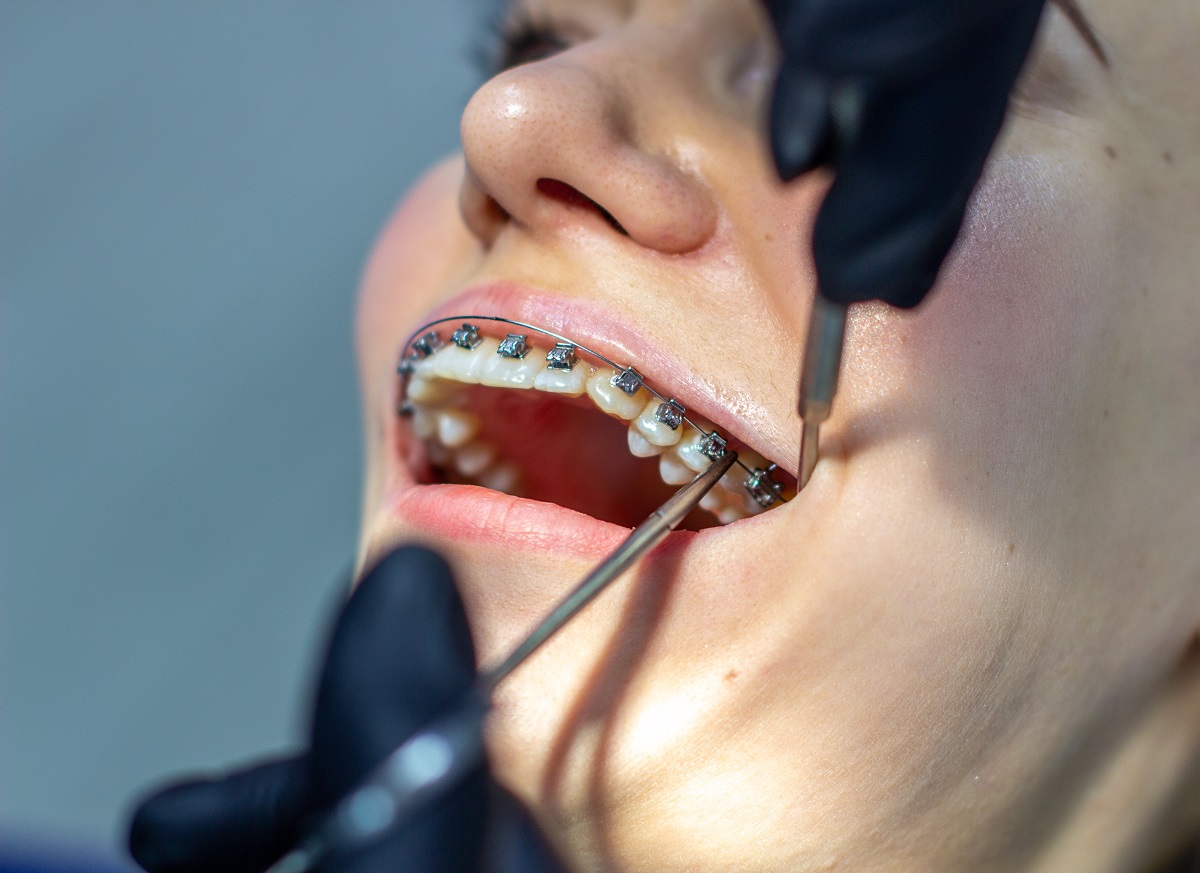
Metal braces remain the most efficient option in complex orthodontic cases. This includes:
- Severe crowding
- Significant bite misalignment
- Rotated or impacted teeth
- Cases requiring precise root movement
The difference is not just theoretical. In real clinical settings, metal brackets allow for stronger force application with less risk of breakage. That translates to more consistent progress and fewer treatment delays.
Patients who prioritize discreet appearance sometimes underestimate how frustrating extended treatment can become if progress slows.
When consulting a local orthodontist for adult teeth straightening, this is often the turning point where patients shift their decision from aesthetics to outcomes.
The lifestyle factor most adults misjudge
Many adults assume clear braces are automatically easier to manage in daily life. That is only partially true.
While they are less visible, clear braces require stricter habits:
- Avoiding staining foods and drinks like coffee, red wine, and curry
- More frequent cleaning to maintain appearance
- Higher attention to hygiene around brackets
Metal braces, while more noticeable, tend to be more forgiving. They do not stain, and they are typically easier to maintain visually over time.
From patient feedback, one recurring pattern stands out: adults who choose clear braces purely for aesthetics sometimes become frustrated when they notice discoloration or when maintenance becomes inconvenient.
Cost considerations and long-term value
Clear braces usually come at a higher cost compared to metal braces. The difference is often tied to material and lab costs rather than treatment effectiveness.
What matters more is whether the chosen option avoids delays or complications. A treatment that takes longer due to bracket limitations or breakage can indirectly increase cost through additional visits or adjustments.
From a value perspective, the better option is the one that completes treatment efficiently for your specific case, not just the one that looks better initially.
Common mistakes adults make when choosing
Several patterns emerge consistently among adult patients:
- Choosing based only on appearance without understanding case complexity
- Assuming all orthodontic methods deliver identical timelines
- Underestimating the impact of daily habits on clear braces
- Delaying treatment due to indecision, allowing alignment issues to worsen
Another overlooked factor is bite alignment. Many adults focus only on straightening visible teeth, ignoring how upper and lower teeth function together. This can affect long-term stability if not addressed properly.
How to make the right decision for your case
The decision should come down to three clinical factors:
- Complexity of the alignment issue
- Desired treatment timeline
- Lifestyle compatibility during treatment
A straightforward case gives more flexibility to prioritize aesthetics. A complex case requires prioritizing control and efficiency.
The most reliable way to determine this is through a detailed orthodontic evaluation, including imaging and bite analysis. Without that, the decision is based on assumptions rather than clinical reality.
When delaying the decision becomes a problem
One pattern seen frequently is adults postponing treatment because they cannot decide between options. During this time, crowding can worsen, bite pressure can increase, and in some cases, tooth wear or gum issues can develop.
Early correction is almost always simpler than delayed intervention.
Know What Will Actually Work for Your Smile
If you are unsure which option will actually work best for your teeth, the most practical next step is a case-specific evaluation. At Cronin Dentistry, the focus is on helping you choose a treatment plan that aligns with your dental condition, timeline, and daily routine, not just surface-level preferences. Call today to schedule a consultation and get clarity before committing to long-term treatment.
Choosing between clear and metal braces is not just a cosmetic decision. It is a clinical one that affects treatment efficiency, maintenance, and long-term stability. We approach every case by balancing aesthetics with function, ensuring that the chosen method delivers predictable results without unnecessary delays. The right choice is the one that works for your specific condition, and that clarity only comes from a proper evaluation.
FAQs
Are clear braces effective for adults with long-standing alignment issues?
They can be, but effectiveness depends on severity. Mild to moderate cases respond well, while complex cases may benefit more from metal braces.
Do metal braces work faster than clear braces?
In many complex cases, yes. Metal braces allow stronger and more precise force application, which can improve efficiency.
Are clear braces truly less noticeable over time?
Initially, yes. However, they can stain if not maintained carefully, making them more visible than expected.
Is there more discomfort with metal braces?
Discomfort levels are similar. The difference is usually related to adjustment phases rather than bracket type.
Which option is better for working professionals?
It depends on priorities. Clear braces offer aesthetic advantages, while metal braces offer predictability and durability.
Can adults switch from clear to metal braces mid-treatment?
Yes, in some cases. This typically happens if progress is slower than expected or if breakage becomes an issue.
Do clear braces require more maintenance?
Yes. They demand stricter oral hygiene and dietary discipline to maintain appearance.
Is the final result different between the two options?
The goal is the same, but the path and efficiency can differ based on case complexity.