Hattiesburg: 601-450-5550
Cracked or Loose Crown? Here’s How a Cosmetic Dentist Can Help

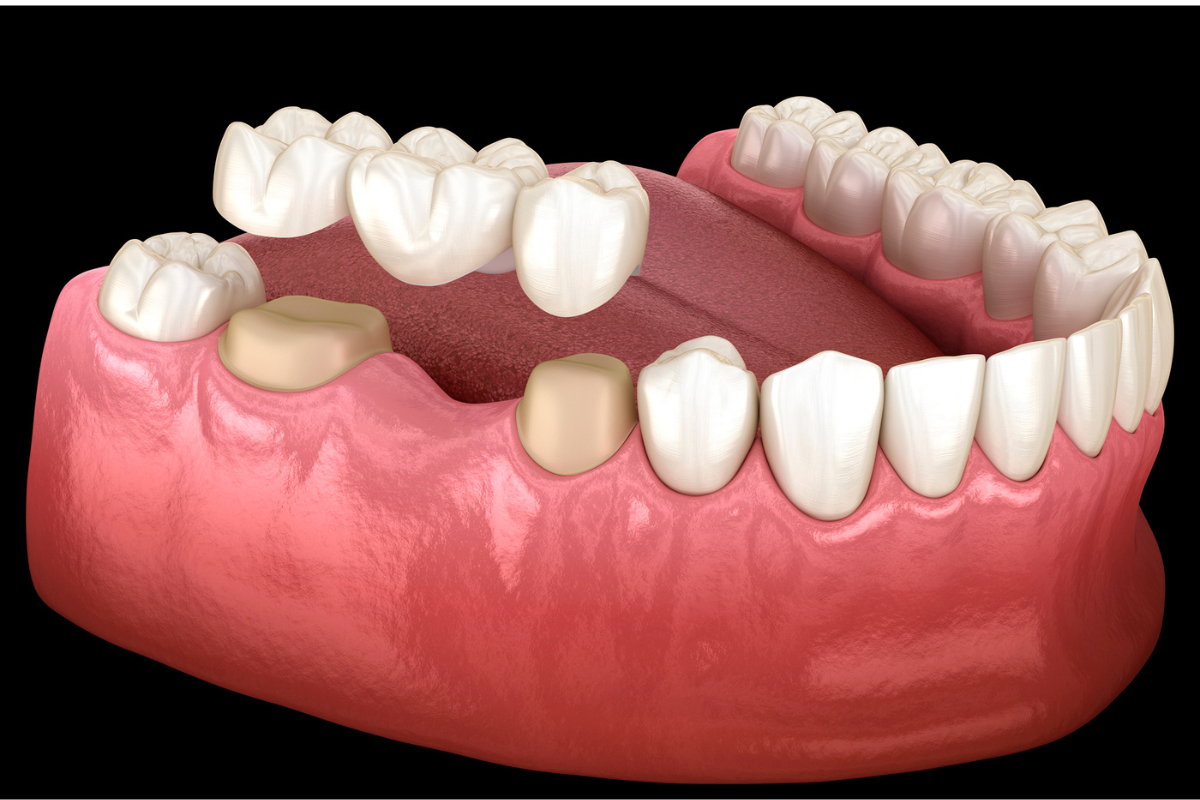
Cracked or Loose Crown? Here’s How a Cosmetic Dentist Can Help
By Cronin Dentistry | November 21, 2025
A dental crown is designed to protect and restore a damaged tooth, but like any restoration, it can wear down or become loose over time. When you notice a crack, chip, or looseness in your crown, it’s important not to ignore the problem. Delaying treatment can lead to discomfort, decay, or even tooth fracture. That’s why understanding what to do and how a cosmetic dentist in Hattiesburg can help make all the difference in protecting your oral health.
Why Crowns Become Cracked or Loose
Crowns are durable, but they aren’t indestructible. The most common causes of crown damage include:
- Grinding teeth (bruxism)
Repeated pressure can cause fractures. - Biting hard foods
Ice, nuts, or hard candies can chip the porcelain. - Aging materials
Older crowns may loosen as the cement wears down. - Decay underneath the crown
If cavities form under the crown, it may lift or loosen. - Trauma or injury
A fall or accidental impact can instantly damage a crown.
Whether the crown is cracked, wobbly, or has fallen off completely, fast action is key to preventing further damage.
Signs Your Crown Needs Immediate Attention
Many people ignore early signs of crown problems, but catching issues early can save time and money. Here are symptoms you shouldn’t overlook:
- Sharp pain when biting
- Sensitivity to temperature
- A visible crack or fracture
- Movement or looseness when chewing
- Bad taste or odor (possible decay)
- Crown no longer sitting flush with the gumline
If you notice any of these, you should schedule a visit with a cosmetic dentist in Hattiesburg as soon as possible.
How a Cosmetic Dentist Repairs a Cracked or Loose Crown
A cosmetic dentist has specialized training in restoring both function and natural appearance. Here’s how they typically address crown issues:
1. Examination and X-rays
The dentist evaluates the crown and underlying tooth to determine the cause of the damage. X-rays reveal hidden decay or structural issues.
2. Minor Repairs for Small Cracks
If the crack is superficial, the dentist may smooth the area or apply bonding material to protect the crown and restore its look.
3. Recementing a Loose Crown
If the crown is intact but has loosened, the dentist cleans the area, removes old cement, and securely reattaches the crown.
4. Replacing a Severely Damaged Crown
When the crown is broken beyond repair, a new, custom-made crown is crafted for a perfect fit. Cosmetic dentists use high-quality materials like porcelain or zirconia to ensure a natural appearance.
5. Treating Decay Underneath the Crown
If decay is present, the dentist removes it and restores the tooth before placing a new crown.
What to Do Until Your Appointment
If your crown cracks or becomes loose, follow these temporary steps:
- Avoid chewing on the affected side
- Stick to soft foods
- Use dental wax to cover sharp edges
- Keep the crown if it falls out—do not try to glue it yourself
- Call your dentist immediately for an appointment
Acting quickly reduces complications and keeps your tooth protected.
Restore Your Crown with Confidence
A cracked or loose crown can be stressful, but you don’t have to deal with it alone. With expert care from a highly trained cosmetic dentist in Hattiesburg, you can restore your smile, protect your oral health, and prevent further dental issues. The team at Cronin Dentistry is committed to providing comfortable, high-quality crown repair and replacement treatments.
If your crown feels damaged or unstable, don’t wait to request an appointment today and get the expert care your smile deserves.
FAQs
What should I do if my dental crown becomes cracked or loose?
If your crown cracks or becomes loose, avoid chewing on that side, keep the crown if it falls out, and contact your dentist immediately for evaluation and repair.
Can a cracked dental crown be repaired or does it need to be replaced?
Small cracks can often be repaired with bonding, but severely damaged crowns typically need replacement to restore full function and appearance.
How does a cosmetic dentist fix a loose dental crown?
A cosmetic dentist will clean the crown and tooth surface, remove old cement, and securely recement the crown if it’s still in good condition.
What causes dental crowns to become loose or damaged?
Common causes include teeth grinding, trauma, chewing hard foods, aging dental materials, and decay under the crown.
How can I tell if my crown is damaged or failing?
Symptoms include visible cracks, sensitivity, pain when biting, looseness while chewing, or a bad taste indicating underlying decay.