Hattiesburg: 601-450-5550
How To Stop Grinding Your Teeth At Night: Dentist-Approved Solutions

How To Stop Grinding Your Teeth At Night: Dentist-Approved Solutions
By Cronin Dentistry | January 20, 2026
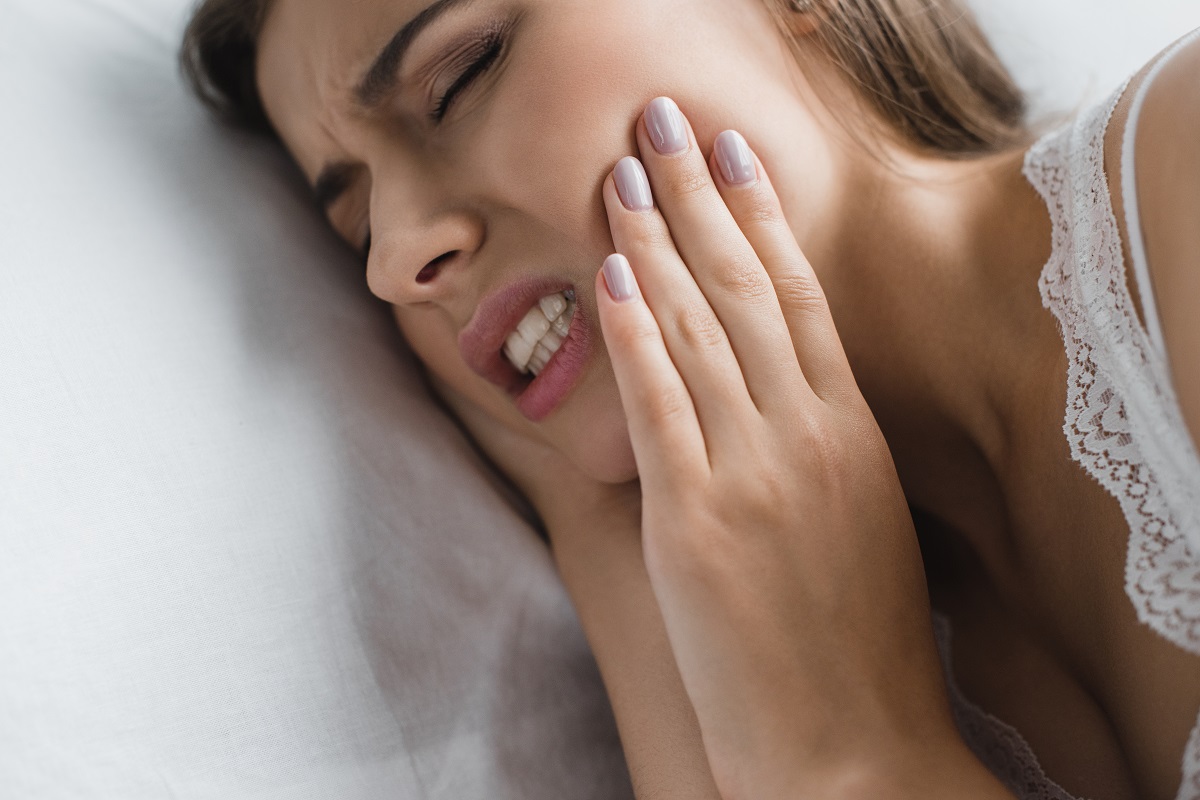
Teeth grinding at night, also known as bruxism, is a common problem that many people don’t realize until it starts affecting their oral health. If you wake up with sore jaws, headaches, or chipped teeth, you might be grinding your teeth in your sleep. While stress and anxiety are often to blame, there are several dentist-approved solutions to help you stop this habit. For residents of Hattiesburg, especially with the busy pace of life and seasonal events like the local spring festivals and outdoor summer activities, it’s important to address this issue early before it causes long-term damage.
Stop Teeth Grinding Before It Causes Damage. Schedule a Visit Today!
At Cronin Dentistry, your care is guided by an experienced and compassionate team of dental professionals in Hattiesburg. Dr. C. Kelly Cronin and Dr. Joe Cronin bring a patient-first approach to diagnosing and treating conditions like nighttime teeth grinding, jaw tension, and TMJ-related discomfort. With a focus on personalized care, they take the time to understand what’s causing your bruxism and recommend solutions that protect your teeth while supporting long-term oral health.
If you’ve been waking up with jaw pain, headaches, or worn teeth, a professional evaluation can make all the difference. Schedule a consultation with the Cronin Dentistry team to take the first step toward better sleep and a healthier smile.
Why Do We Clench Our Teeth At Night?
Before addressing how to stop clenching teeth at night, it’s important to understand why it happens. Stress, anxiety, an improper bite, and even certain sleep disorders can all contribute to this unconscious habit. Some people clench their teeth due to physical issues such as misalignment or sleep apnea.
For others, emotional stress may trigger bruxism, especially if it’s a chronic problem. Understanding your unique cause is key to finding the right treatment to effectively stop teeth clenching at night.
How Does Teeth Grinding Affect Your Oral Health?
Teeth grinding is far from a minor issue. It can lead to long-term damage if left untreated. As you grind your teeth, the pressure can wear down your enamel, leading to:
- Cracked Teeth: The constant grinding pressure can cause small cracks to form, making your teeth more vulnerable to cavities.
- Tooth Sensitivity: As the enamel wears down, the underlying layer of the tooth is exposed, leading to heightened sensitivity to temperature changes.
- TMJ Disorders: Grinding can lead to inflammation of the temporomandibular joint (TMJ), causing jaw pain, headaches, and difficulty opening or closing the mouth.
While many people don’t realize they’re grinding their teeth. Recognizing these symptoms early and seeking dental help in Hattiesburg can prevent further damage.
How A Dentist Can Help Persistent Jaw Pain?
If you’re experiencing persistent jaw pain, getting professional help should be your next approach. One of the most common treatments for this condition is wearing a custom night guard to protect your teeth and reduce jaw tension.
You might be wondering, “Where can I get a custom night guard in Hattiesburg?” The answer is simple: visit your local dentist!
A custom night guard is made for your mouth to provide a comfortable fit, ensuring that your teeth are cushioned from the pressure of grinding and clenching. This simple yet effective appliance helps prevent tooth damage, reduces stress on your jaw muscles, and can improve the quality of your sleep.
Professionals will assess your jaw and teeth to determine the severity of the grinding and recommend the best treatment options. By wearing the guard regularly, you can protect your teeth from further wear and tear, alleviate jaw pain, and ensure a restful night’s sleep.
Other Effective Solutions To Stop Grinding Your Teeth At Night
While a night guard is a key component of treatment, there are other strategies you can implement to reduce bruxism and relieve the associated pain.
- Stress Management: Since stress is a major contributor to nighttime teeth grinding, practicing relaxation techniques such as meditation, deep breathing, or yoga before bed can help you manage tension and prevent grinding.
- Regular Exercise: Physical activity helps reduce stress and anxiety, both of which can trigger teeth grinding. Whether you’re enjoying outdoor activities in Hattiesburg, like hiking in the spring or participating in summer community events, staying active can help prevent bruxism.
- Avoid Stimulants Before Bed: Caffeine and alcohol can increase your likelihood of grinding your teeth during sleep. Limiting your intake of these substances in the evening can reduce the intensity of bruxism.
- Proper Sleep Hygiene: Maintaining a consistent sleep schedule and creating a calm, relaxing bedtime routine can improve your sleep quality, ultimately reducing the chances of grinding during the night.
When To Seek Professional Help?
In some cases, teeth grinding can lead to more serious complications, and seeking professional help is crucial. When you consult a dentist for jaw pain in Hattiesburg, they will provide a comprehensive assessment to identify the severity of the issue.
Your dentist may recommend:
- Orthodontic treatment: If misaligned teeth are causing grinding, braces or clear aligners may be an effective solution.
- Physical therapy: To reduce jaw muscle tension and pain, a physical therapist specializing in TMJ disorders might be recommended.
- Botox: In certain cases, Botox injections can be used to relax the jaw muscles and reduce grinding.
How To Maintain Healthy Teeth After Stopping Teeth Grinding?
After addressing the problem, it’s important to keep your teeth and jaw healthy in the long term. Here’s how you can maintain oral health:
- Continue Using A Night Guard: Even after the grinding stops, wearing one can help protect your teeth from future damage.
- Regular Dental Checkups: Schedule routine visits with your dentist to monitor your oral health and detect any early signs of damage.
- Practice Good Oral Hygiene: Brushing, flossing, and using fluoride mouthwash will help prevent cavities and keep your teeth healthy.
Protect Your Smile From Bruxism Today!
If you’re suffering from teeth grinding, don’t wait for the damage to worsen. Visiting our dental office in Hattiesburg to consult with our dentist can help you find the right solution and alleviate discomfort. Whether it’s a custom night guard, stress-reduction techniques, or advanced treatments, taking proactive steps today will help ensure your smile remains healthy and strong.
Book an appointment with our team at Cronin Dentistry today and start your journey toward better sleep and a healthier smile. Let us guide you to a pain-free, confident smile – one step at a time.
FAQs About Teeth Grinding
1. What causes people to grind their teeth?
Teeth grinding often stems from stress, anxiety, sleep disturbances, or a misaligned bite, and can happen during sleep without awareness. These factors can trigger jaw muscle clenching that slowly wears down teeth and causes tension.
2. How can I tell if I’m grinding my teeth at night?
Common signs include morning headaches, sore jaw muscles, and flattened or worn tooth surfaces, even if you don’t hear grinding. A partner noticing grinding sounds or dental wear, as noticed by a dentist are strong clue.
3. Does grinding damage my oral health long-term?
Yes, persistent grinding places intense pressure on teeth and the jaw, which can lead to enamel wear, cracked teeth, and TMJ pain over time. Early detection helps prevent serious dental complications.
4. Can bruxism be related to other health conditions?
Bruxism can be linked with sleep disorders like sleep apnea and lifestyle factors like stress or high caffeine intake, which may increase nighttime jaw activity. Addressing these underlying issues often helps reduce grinding episodes.
5. Will my grinding stop on its own if I reduce stress?
Reducing stress through relaxation techniques can lessen grinding intensity, but it may not eliminate the habit. A dental evaluation is crucial for identifying triggers and developing an effective, personalized plan.