
Hattiesburg: 601-450-5550
Infection Control and Dental Implants in Diabetic Patients


Infection Control and Dental Implants in Diabetic Patients
By Cronin Dentistry | February 4, 2025
Dental implants have revolutionized tooth replacement, offering a permanent and natural-looking solution for missing teeth. But if you’re one of the millions of people living with diabetes, you might be wondering if dental implants are a safe and viable option for you.
Understanding the Connection: Diabetes and Oral Health
Diabetes, a chronic condition affecting how the body regulates blood sugar, can significantly impact various aspects of health, including oral health. High blood sugar levels can weaken the immune system, making individuals with diabetes more susceptible to infections. This increased risk of infection is particularly relevant when considering dental procedures like implant placement.
Furthermore, diabetes can impair the body’s ability to heal. This slower healing process can be a concern after any surgical procedure, including dental implant surgery. Delayed healing can increase the risk of complications such as implant failure and infection.
Dental Implants: A Recap
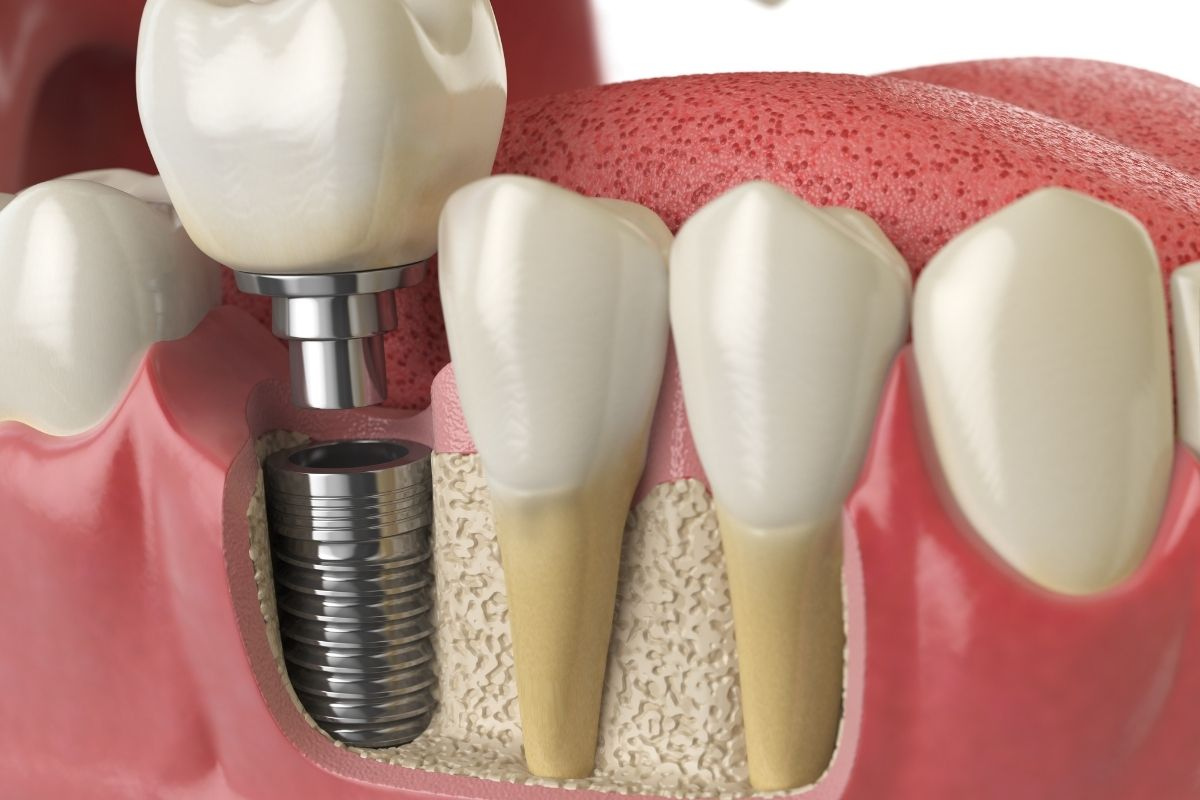
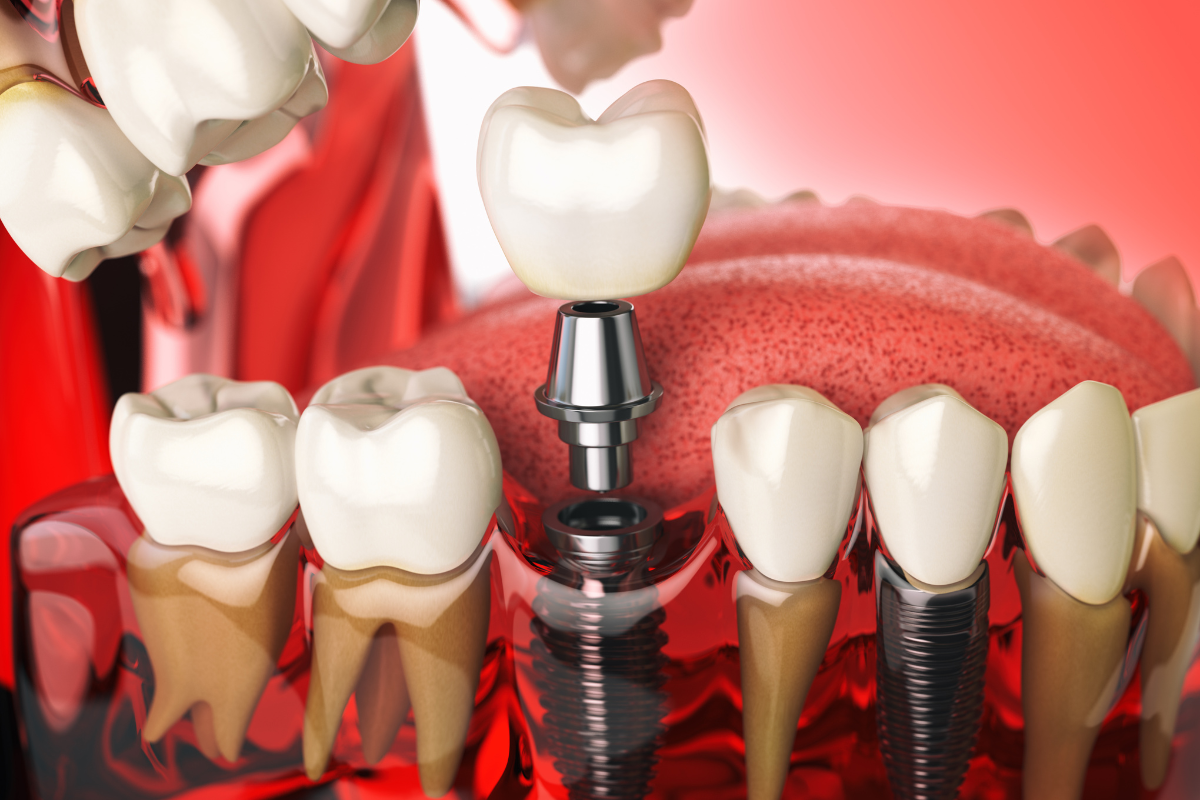
Before we discuss the specifics of dental implants and diabetes, let’s briefly recap what dental implants are and how they work. A dental implant is a small titanium post surgically placed into the jawbone, acting as an artificial tooth root. An abutment is then attached to the implant, a connector for the artificial tooth (crown). The implant fuses with the jawbone through osseointegration, providing a stable and secure foundation for the replacement tooth.
The Risks for Diabetic Patients Considering Dental Implants
While dental implants offer a long-term solution for missing teeth, individuals with diabetes face certain potential risks:
- Increased Risk of Infection: Diabetes can weaken the immune system, making individuals more prone to infections. Infections around the implant site can lead to implant failure.
- Delayed Healing: Impaired healing is another common complication associated with diabetes. Low healing can hinder osseointegration, the crucial process of the implant fusing with the jawbone, and increase the risk of infection.
- Implant Failure: Due to the increased risk of infection and delayed healing, diabetic patients have a slightly higher risk of implant failure compared to non-diabetic patients.
- Poor Bone Integration: In some cases, diabetes can affect bone density and quality, impacting the success of osseointegration.
Comprehensive Approach to Dental Implants for Patients with Diabetes
Initial Assessment and Planning:
- Thorough Medical History: Detailed information gathered regarding diabetes management, including:
- HbA1c levels
- Medications (including all prescriptions, over-the-counter drugs, and supplements)
- Other health conditions
- Comprehensive Oral Examination: Evaluation of:
- Gum health
- Jawbone health
- Surrounding tissues
- Diagnostic Imaging: Use of X-rays or CT scans to assess:
- Bone density
- Optimal implant placement
- Physician Collaboration: Communication with the patient’s physician or endocrinologist to:
- Ensure well-controlled diabetes before, during, and after the procedure
- Optimize overall health and minimize potential complications
- Personalized Treatment Plan: Development of a customized plan outlining:
- Implant procedure details
- Potential risks
- Post-operative care instructions
During the Procedure:
- Strict Infection Control Protocols: Adherence to rigorous protocols, including:
- Sterile equipment
- Clean and sterile environment
- Careful Implant Placement: Focus on:
- Maximizing bone contact
- Promoting osseointegration
Post-Operative Care and Monitoring:
- Detailed Post-Operative Instructions: Guidance on:
- Oral hygiene
- Medication
- Follow-up appointments
- Blood Sugar Management Emphasis: Reinforcement of the importance of:
- Maintaining reasonable blood sugar control
- Regular Follow-up Appointments: Scheduled to:
- Monitor healing
- Ensure implant success
Who is a Good Candidate for Dental Implants with Diabetes?
While diabetes presents particular challenges, it doesn’t automatically disqualify you from getting dental implants. The key factor is how your diabetes is managed. Individuals with well-controlled diabetes, as evidenced by stable HbA1c levels, generally have a good chance of success with dental implants. Conversely, individuals with poorly controlled diabetes are at a significantly higher risk of complications.
Conclusion
While diabetes can increase the risks associated with dental implants, it doesn’t necessarily preclude you from enjoying the benefits of a stable and natural-looking tooth replacement solution. Proper diabetes management, careful planning, and close monitoring by experienced professionals are essential for successful dental implants. For many patients with diabetes, this approach, exemplified by teams like the one at Cronin Family Dentistry, makes dental implants a safe and effective option. Contact us today to schedule a consultation and take the first step towards a healthier and more confident smile.