Hattiesburg: 601-450-5550
Plaque Ninja: Mastering the Art of Interdental Clean

Plaque Ninja: Mastering the Art of Interdental Clean
By Cronin Dentistry | March 6, 2025
We’ve all been there: that slightly fuzzy feeling between our teeth, the nagging suspicion that something’s lurking in those tiny crevices. That “something” is plaque, a sticky, colorless film of bacteria that loves to cling to our teeth, especially in those hard-to-reach areas between them. While it may seem harmless initially, plaque can wreak havoc on oral health, leading to cavities, gum disease, and bad breath. So, how do you dissolve this unwelcome guest and keep your smile sparkling? Let’s dive into the world of plaque-busting techniques!
What Exactly is Plaque?
Plaque is a biofilm, a community of living microorganisms that thrive on the sugars and starches we consume. These bacteria produce acids that erode tooth enamel and irritate gum tissue. If left undisturbed, plaque hardens into tartar, a stubborn, calcified deposit that can only be removed by a professional dental cleaning.
The spaces between our teeth are prime real estate for plaque buildup. These tight spaces provide a sheltered environment where bacteria can flourish, making them particularly vulnerable to plaque-related problems.
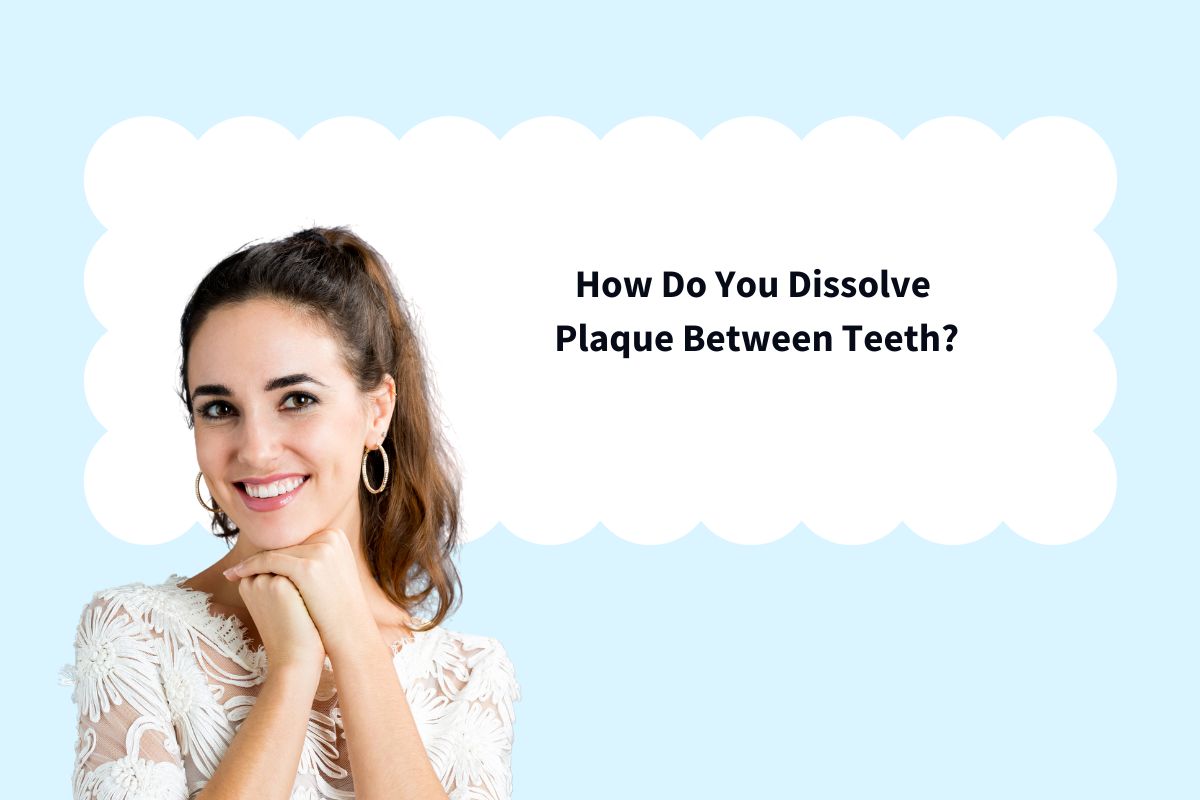
How Do You Dissolve Plaque Between Teeth?
While you can’t literally “dissolve” hardened tartar at home, you can effectively disrupt and remove plaque buildup with a combination of techniques. Here’s your arsenal:
- Flossing: The Gold Standard:
- Flossing is the most effective way to remove plaque from between your teeth.
- Choose floss that glides easily between your teeth, whether traditional string floss, waxed or unwaxed floss, or pre-threaded floss picks.
- Use a gentle sawing motion to guide the floss between your teeth, curving it around each tooth to clean the sides.
- Don’t forget to floss behind your back teeth!
- Daily flossing is essential for preventing plaque buildup and maintaining healthy gums.
- Interdental Brushes: The Tiny Titans:
- Interdental brushes are small, cone-shaped brushes that fit between teeth, effectively removing plaque and debris.
- They’re beneficial for people with wider gaps between their teeth or braces.
- Choose a brush size that fits comfortably between your teeth without forcing it.
- Gently insert the brush and move it back and forth to clean the surfaces of your teeth.
- Rinse the brush after each use.
- Water Flossers: The High-Pressure Helpers:
- Water flossers, or oral irrigators, use a stream of pressurized water to remove plaque and food particles between your teeth and the gum line.
- They’re an excellent option for people who find traditional flossing difficult or uncomfortable.
- Aim the water stream at the gum line and between your teeth, following the contours of your teeth.
- Start with a low-pressure setting and gradually increase it as you become more comfortable.
- Antimicrobial Mouthwashes: The Bacterial Busters:
- Antimicrobial mouthwashes can help kill bacteria in your mouth, reduce plaque buildup, and freshen your breath.
- Look for mouthwashes that contain ingredients like chlorhexidine, cetylpyridinium chloride, or essential oils.
- Rinse your mouth for 30-60 seconds after brushing and flossing.
- Mouthwash is not a replacement for brushing and flossing, but it can be a helpful addition to your oral hygiene routine.
- Proper Brushing Technique:
- While brushing primarily cleans the outer and inner surfaces of teeth, it also disrupts plaque between teeth.
- Use a soft-bristled toothbrush and fluoride toothpaste.
- Brush for two minutes, using gentle, circular motions.
- Pay attention to the gum line and the chewing surfaces of your teeth.
- Replace your toothbrush every three to four months or sooner if the bristles are frayed.
The Professional Touch: When to Call Your Dentist?
While home care is essential, professional dental cleanings are crucial for removing hardened tartar and preventing plaque-related problems.
- Regular Check-ups: Schedule regular dental check-ups and cleanings every six months or as your dentist recommends.
- Professional Cleaning: A professional dental cleaning removes plaque and tartar buildup you can’t remove at home.
- Gum Disease Treatment: If you have gum disease, your dentist can provide specialized treatment to remove bacteria and promote gum healing.
- Personalized Advice: Your dentist can provide customized advice on improving your oral hygiene routine and preventing plaque buildup.
The Power of Prevention: Maintaining a Plaque-Free Smile
Maintaining a plaque-free smile requires consistent effort and a commitment to good oral hygiene habits.
- Limit Sugary and Starchy Foods: Bacteria thrive on sugars and starches, so limiting your intake can help to reduce plaque buildup.
- Drink Plenty of Water: Water helps to rinse away food particles and bacteria.
- Chew Sugar-Free Gum: Chewing gum stimulates saliva production, which helps to cleanse the mouth.
- Quit Smoking: Smoking increases the risk of gum disease and other oral health problems.
Adopting these plaque-busting techniques and maintaining a healthy lifestyle can keep your smile sparkling and your gums healthy for years. Remember, consistency is key! Make oral hygiene a daily priority, and you’ll be well on your way to a plaque-free, confident smile.