Hattiesburg: 601-450-5550
The Implant Menace: Battling Peri-Implantitis


The Implant Menace: Battling Peri-Implantitis
By Cronin Dentistry | December 6, 2024
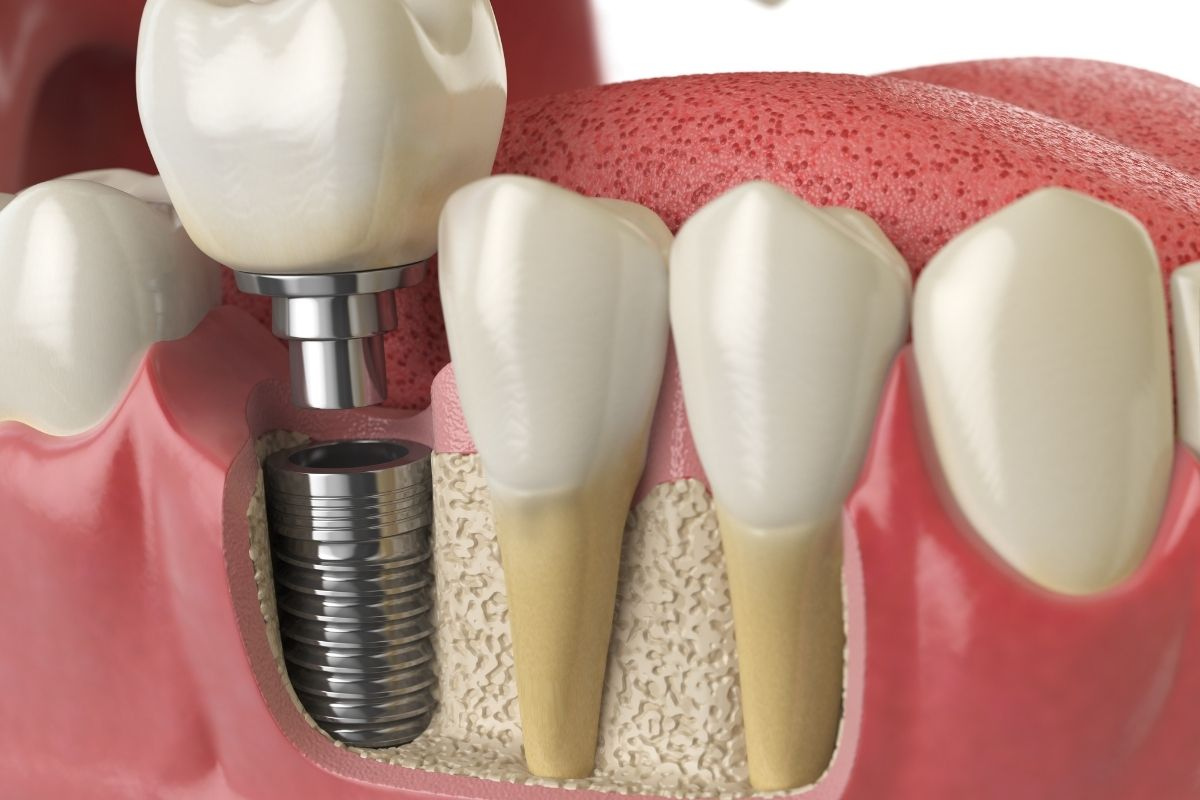
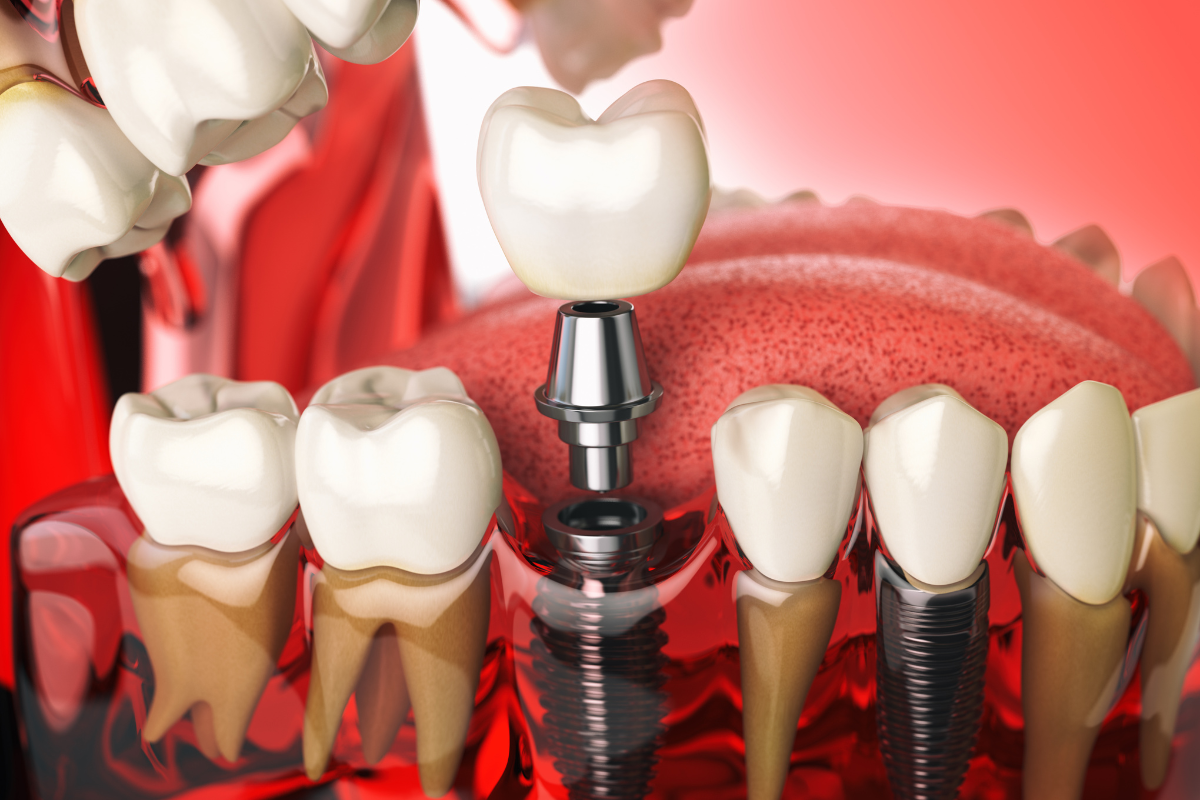
Dental implants are a revolutionary solution for replacing missing teeth, offering a natural-looking and long-lasting option. However, like any surgical procedure, there’s always a risk of infection.
What are Infections in Dental Implants?
Dental implant infections, while relatively rare, can happen. The most common type is peri-implantitis, similar to gum disease, and affects the tissues surrounding the implant.
Causes of Dental Implant Infections
- Poor Oral Hygiene: Neglecting proper brushing and flossing can lead to bacterial buildup around the implant, increasing the risk of infection.
- Smoking: Smoking weakens the immune system, which is crucial in fighting infections. It also reduces blood flow, hindering healing and making infections more likely.
- Systemic Health Conditions: Conditions like diabetes can compromise the body’s ability to fight infections, including those around dental implants.
- Trauma to the Implant: Injury to the implant or surrounding tissues can create an entry point for bacteria.
- Allergic Reactions: In rare cases, an allergic reaction to the implant material can trigger inflammation and infection.
Signs of a Dental Implant Infection
- Swelling and Redness: The gums around the implant may become swollen and red.
- Pain and Tenderness: Discomfort or pain in the implant area may indicate an infection.
- Bleeding Gums: Bleeding gums, even with gentle brushing, can be a sign of infection.
- Lousy Breath: Persistent bad breath may be a symptom even after brushing and flossing.
- Pus Formation: A noticeable discharge of pus from the implant site is a clear sign of infection.
Preventing Dental Implant Infections
- Oral Hygiene: To maintain Excellent Oral Hygiene, Brush your teeth twice daily, floss daily, and use an antibacterial mouthwash.
- Regular Dental Check-ups: Schedule regular dental check-ups and cleanings to monitor your oral health and identify potential issues early on.
- Avoid Smoking: Quitting smoking is one of the best ways to reduce infection risk and promote oral health.
- Manage Systemic Health Conditions: Work with your doctor to manage any underlying health conditions affecting your immune system.
- Follow Post-Operative Instructions: Adhere to your dentist’s post-operative instructions carefully to ensure proper healing.
Treating Dental Implant Infections
If you suspect a dental implant infection, seeking immediate professional care is crucial. Early treatment can help prevent the infection from spreading and causing more serious damage.
Treatment options for dental implant infections may include:
- Antibiotics: Antibiotics can help eliminate the bacteria causing the infection.
- Oral Hygiene Improvement: Your dentist may recommend more frequent professional cleanings and provide specific instructions for home care.
- Surgical Intervention: In severe cases, surgery may be necessary to remove infected tissue and clean the implant site.
Conclusion
While dental implant infections are relatively uncommon, it’s essential to be aware of the risk factors and symptoms. By practicing good oral hygiene, following post-operative instructions, and seeking prompt treatment for any signs of infection, you can significantly reduce your risk and enjoy the numerous benefits of dental implants, including a natural-looking and long-lasting solution for missing teeth.
If you have any concerns about dental implants or oral health, please don’t hesitate to contact Cronin Family Dentistry in Hattiesburg and Columbia, MS. Our experienced team is dedicated to providing you with the highest quality care and helping you achieve a healthy, beautiful smile.