Hattiesburg: 601-450-5550
When Should Kids First See a Dentist? Parents Guide


When Should Kids First See a Dentist? Parents Guide
By Cronin Dentistry | March 25, 2026
In Columbia, MS, it’s common for parents to wait until a child complains of tooth pain before scheduling that first dental visit. By then, what started as a small, manageable issue may already need more involved care, something many families wish they had known earlier.
Others assume that baby teeth don’t require early attention because they’ll “fall out anyway.” But what most patients overlook is that early dental visits are less about treatment and more about prevention, habit-building, and catching subtle issues before they escalate.
Children should see a dentist by their first birthday or within six months of their first tooth erupting. Early visits help detect developmental concerns, prevent decay, and guide parents on proper oral care before problems begin.
At Cronin Dentistry in Columbia, MS, families are cared for by a team that understands how to make early dental visits comfortable and educational for both children and parents.
Dr. C. Kelly Cronin, Dr. Caitlin Morris, Dr. Joe Cronin, and Dr. Steven Clement focus on gentle, preventive care tailored to each stage of a child’s development. Their approach is centered on reducing anxiety, building trust, and helping parents feel confident about their child’s oral health from the very beginning. Call today to book an appointment and take the first step toward long-term oral health.
Why Timing Matters More Than Most Parents Think
The recommendation for an early dental visit isn’t arbitrary; it’s based on how quickly oral conditions can develop in young children.
Even before all teeth erupt, several risk factors may already be present:
- Bacteria that cause cavities can transfer from caregivers
- Feeding habits (especially nighttime bottles) can affect enamel
- Jaw and bite development begins earlier than expected
- Early signs of decay often go unnoticed at home
What most patients overlook is that tooth decay in children can progress faster than in adults due to thinner enamel. Waiting until visible symptoms appear often means the condition has already advanced.
Early vs. Advanced Signs Parents Should Watch For
Early Signs (Often Missed)
- Chalky white spots along the gumline
- Mild sensitivity to cold or sweet foods
- Slight discoloration of teeth
- Gum irritation around erupting teeth
These are typically reversible or manageable with early intervention.
Advanced Signs (Require Treatment)
- Brown or black spots on teeth
- Persistent bad breath
- Pain while eating or brushing
- Swelling or infection around the gums
At this stage, treatment becomes more complex, and children may develop dental anxiety due to discomfort.
Common Misconceptions That Delay the First Visit
“Baby Teeth Aren’t That Important”
Baby teeth hold space for permanent teeth and guide proper alignment. Ignoring them can lead to spacing and orthodontic issues later.
“We’ll Go When There’s a Problem”
By the time pain appears, decay has often progressed into deeper layers of the tooth.
“My Child Is Too Young to Cooperate”
Early visits are designed to be short, gentle, and educational, not invasive.
What Happens If You Wait Too Long?
Delaying the first dental visit can lead to a pattern of reactive care instead of preventive care.
Here’s how it typically progresses:
- Early decay goes unnoticed
- Cavities deepen and spread
- Pain or infection develops
- Emergency visits become necessary
- Children associate dental care with discomfort
This cycle is what prompts many parents to finally seek care, but at that point, the experience is often more stressful for both the child and parent.
What to Expect at the First Dental Visit
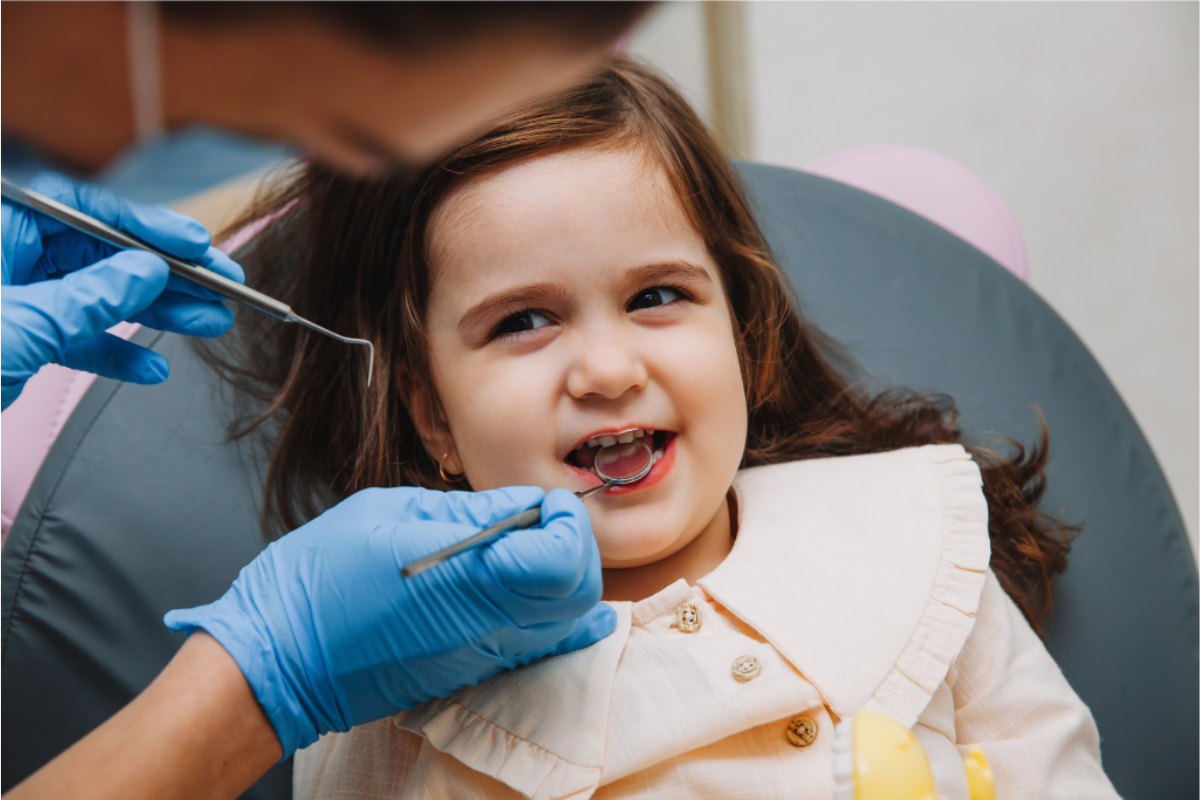
A child’s first dental appointment is focused on assessment and guidance, not treatment-heavy procedures.
Typically, the visit includes:
- A gentle examination of teeth, gums, and jaw
- Checking growth and eruption patterns
- Identifying any early signs of decay
- Guidance on brushing techniques and diet
- Discussion about habits like thumb-sucking or pacifier use
A pediatric dental care provider in Columbia approaches ensures the visit is adapted to your child’s comfort level, helping them feel safe and at ease.
Mid-Content Featured Snippet
Why should children see a dentist by age one?
Children should see a dentist by age one to detect early signs of tooth decay, monitor oral development, and guide parents on proper care. Early visits reduce the risk of cavities, prevent harmful habits, and help children become comfortable with dental environments before problems arise.
What Triggers Parents to Finally Book That First Visit
In real-world scenarios, parents often schedule the first visit when they notice:
- Their child is complaining of tooth pain
- Visible discoloration or damage
- Concerns raised during pediatric checkups
- Difficulty with eating or sensitivity
- Recommendations from other parents
The pattern is clear; most visits are triggered by symptoms rather than prevention. Shifting this mindset is key to avoiding unnecessary complications.
Building Healthy Dental Habits Early
Early dental visits are as much about educating parents as they are about examining the child.
You’ll learn how to:
- Clean your child’s teeth effectively at each stage
- Choose the right toothbrush and toothpaste
- Manage sugar exposure and feeding habits
- Prevent common issues before they begin
A local pediatric dentist also helps children normalize dental care, making future visits smoother and less stressful.
When to Schedule If You’ve Already Missed the Ideal Window
If your child is older than one and hasn’t seen a dentist yet, don’t wait for symptoms.
Schedule a visit if:
- Teeth are already fully erupted
- You notice any discoloration or spots
- Your child hasn’t had a dental checkup before
- There are concerns about habits or alignment
The earlier you act, the more options you have for simple, preventive care.
When Should You Take Action?
If you’re asking this question, you’re already at the right moment to act.
The key trigger isn’t age alone; it’s opportunity. Early visits allow you to:
- Prevent rather than treat
- Reduce long-term costs
- Avoid dental anxiety
- Support proper development from the start
Waiting rarely improves outcomes; it limits them.
Take the Next Step for Your Child’s Oral Health
If your child hasn’t had their first dental visit yet, this is the moment to act, not after symptoms appear.
Take the next step while it’s still simple and preventive. Visit Cronin Dentistry in Columbia, MS, and give your child a calm, supportive first dental experience that sets the tone for years to come. Scheduling now helps catch small concerns early, avoid unnecessary treatments, and build healthy habits from the start. Call today to book your child’s visit.
FAQs
At what age should a child first see a dentist?
By age one or within six months of the first tooth appearing.
What if my child has no visible dental issues?
That’s the ideal time to visit. Preventive care is most effective before problems develop.
How often should kids visit the dentist after the first visit?
Typically, every six months, but frequency may vary based on risk factors.
Are early dental visits really necessary for baby teeth?
Yes. Baby teeth play a critical role in development and can develop cavities quickly.
How can I prepare my child for their first dental visit?
Keep it positive, avoid using fear-based language, and explain it as a simple checkup.
What if my child is scared or uncooperative?
Early visits are designed to be gentle and help children gradually become comfortable.