Hattiesburg: 601-450-5550
Why Does My Breath Smell Even After Brushing? Causes of Halitosis

Why Does My Breath Smell Even After Brushing? Causes of Halitosis
By Cronin Dentistry | March 11, 2026
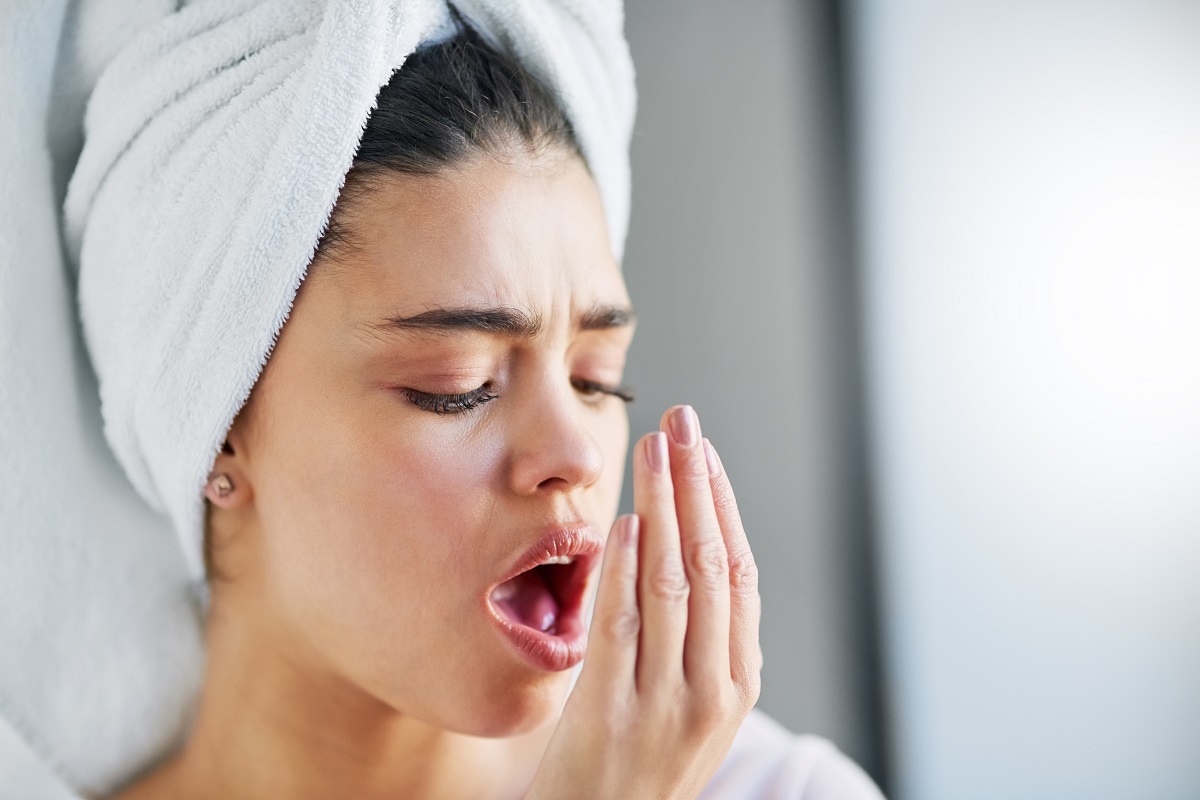
Many people in the Hattiesburg community deal with a frustrating situation: brushing, flossing, and even using mouthwash, yet unpleasant breath persists. It can become noticeable during conversations, at work, or when spending time with family and friends. Persistent bad breath often leads people to wonder whether their oral hygiene routine is missing something or if an underlying issue is developing.
While occasional bad breath is common, an ongoing odor that persists after brushing may signal deeper causes. From bacterial buildup to gum conditions and even certain health factors, halitosis can originate from several sources. Understanding why it happens and what can be done about it, helps patients take the right steps toward fresher breath and healthier oral conditions.
Concerned About Persistent Bad Breath? Don’t Wait, Schedule Your Visit Today!
At Cronin Dentistry, patients are welcomed into a community-oriented environment focused on attentive care and open communication. The team, including Dr. C. Kelly Cronin, Dr. Joe Cronin, and Dr. Caitlin Morris, uses modern dental technologies and materials to support long-term oral health.
Every visit is designed to prioritize personal interaction and comfort. The team takes time to listen, understand concerns, and guide patients toward practical solutions that support healthy teeth and gums over time.
Understanding Halitosis
Halitosis is the clinical term for persistent bad breath. While morning breath is normal, ongoing odor usually develops when bacteria in the mouth break down food particles and release sulfur compounds. These compounds produce the unpleasant smell often associated with chronic bad breath.
In many cases, halitosis is linked to oral health factors that can be identified and addressed during routine dental care.
Patients visiting a Hattiesburg dental office often discover that persistent bad breath has an underlying cause that requires more than daily brushing.
Common Causes of Persistent Bad Breath
1. Bacterial Buildup on the Tongue
The tongue contains tiny grooves where bacteria and food debris can collect. If the tongue is not cleaned regularly, odor-producing bacteria can accumulate, contributing to halitosis.
Using a tongue scraper or brushing the tongue gently can reduce this buildup.
2. Gum Disease
Early gum inflammation or more advanced periodontal conditions often produce a persistent odor due to bacteria growing below the gumline.
Signs may include:
- Bleeding gums
- Gum tenderness
- Persistent bad taste in the mouth
When gum health is involved, a professional dental evaluation becomes important.
3. Dry Mouth (Xerostomia)
Saliva helps rinse away bacteria and food particles. When saliva production decreases, odor-causing bacteria can multiply more easily.
Dry mouth can result from:
- Certain medications
- Mouth breathing during sleep
- Dehydration
- Some medical conditions
4. Food Particles and Poor Oral Hygiene
Food particles trapped between teeth can break down and release odor. Inconsistent flossing allows bacteria to remain in areas that brushing alone cannot reach.
Regular brushing, flossing, and dental cleanings help remove these particles before odor develops.
5. Dental Infections or Tooth Decay
Cavities and infections can harbor bacteria that produce strong odors. In these cases, treating the affected tooth often resolves the breath issue.
6. Tonsil Stones
Tonsil stones form when debris becomes trapped in small pockets of the tonsils. These deposits can create strong-smelling sulfur compounds that affect breath.
7. Certain Foods and Lifestyle Habits
Some foods naturally affect breath because their compounds enter the bloodstream and are released through breathing.
Common examples include:
- Garlic
- Onions
- Coffee
Smoking and tobacco use can also contribute to chronic halitosis.
Why Does My Breath Smell Even After Brushing?
Persistent bad breath after brushing often occurs because bacteria remain in areas that brushing alone cannot reach. These areas include the tongue surface, between teeth, and below the gumline. Conditions such as gum inflammation, dry mouth, dental decay, or tonsil stones may also contribute to ongoing halitosis. A dental evaluation can help identify the exact cause and guide appropriate treatment.
Signs Your Bad Breath May Need Professional Attention
Occasional odor after eating certain foods is normal. However, ongoing bad breath may require professional evaluation if it includes:
- Odor that persists throughout the day
- A constant unpleasant taste
- Bleeding or swollen gums
- White coating on the tongue
- Frequent dry mouth
A dental care provider serving Hattiesburg residents can assess these symptoms and determine whether oral health factors are contributing.
How Dentists Identify the Cause of Halitosis
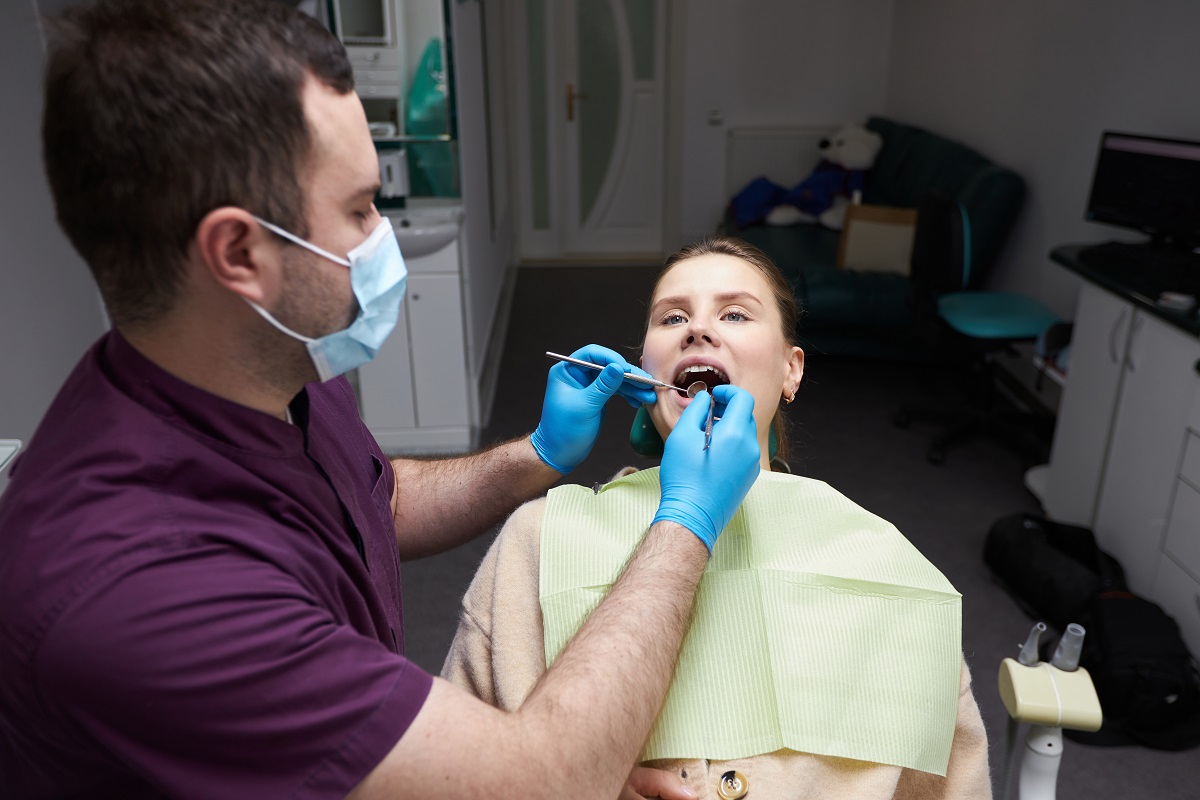
During a dental visit, several factors are evaluated to identify the source of persistent breath odor.
These may include:
- Examining the gums for signs of inflammation
- Checking for tooth decay or infections
- Evaluating plaque buildup and oral hygiene patterns
- Assessing saliva production
- Reviewing dietary and lifestyle habits
By understanding these contributing factors, patients can receive guidance on improving both oral hygiene and overall breath freshness.
Practical Steps to Reduce Bad Breath
Daily habits play a major role in controlling halitosis. Simple adjustments can significantly improve breath quality.
Helpful practices include:
- Brushing teeth twice daily using fluoride toothpaste
- Flossing once a day to remove trapped debris
- Cleaning the tongue regularly
- Staying hydrated to support saliva production
- Scheduling routine dental cleanings
- Limiting tobacco use
These steps help reduce bacterial buildup and maintain healthier oral conditions.
A Patient Experience Worth Sharing
Many patients appreciate the supportive environment during their visits. One patient shared their experience after receiving care:
“The staff at Cronin was very organized and prepared for my initial visit. They provided the service which was to have my teeth cleaned very thoroughly and were very professional. I highly recommend them to anybody that needs dental work and care done, and I’ll be using them moving forward for all my dental needs.” — Seth Neumann
Experiences like this encourage new patients to read more Google Reviews and learn how others in the community feel about their care.
When to Seek Dental Care for Persistent Bad Breath
If bad breath continues despite consistent oral hygiene, it may indicate an underlying issue that requires evaluation.
A visit allows dentists to identify whether gum health, dental decay, or other oral factors are contributing. Addressing these concerns early can prevent further complications and support long-term oral health.
Patients concerned about ongoing breath issues are encouraged to schedule an appointment with Cronin Dentistry. The team provides thorough evaluations and practical guidance to help patients maintain healthier oral conditions.
Persistent bad breath can be frustrating, especially when daily brushing and flossing seem to have little effect. In many cases, halitosis results from bacterial buildup, gum conditions, dry mouth, or other oral health factors that require more targeted care.
Identifying the underlying cause is the first step toward fresher breath and healthier oral conditions. A professional dental evaluation can provide clarity and practical solutions.
If you are concerned about persistent bad breath, consider scheduling a visit with Cronin Dentistry or visiting our Hattiesburg dental office for a checkup. Their patient-focused approach helps individuals understand the cause of halitosis and take meaningful steps toward improved oral health.
FAQs
Why does my breath still smell after brushing and flossing?
If odor persists after brushing and flossing, bacteria may still be present on the tongue, below the gumline, or inside cavities. A professional evaluation can help identify hidden causes.
Can gum disease cause bad breath?
Yes. Gum disease allows bacteria to grow around the gums and teeth, producing odor-causing compounds that lead to persistent halitosis.
Does dry mouth make bad breath worse?
Yes. Reduced saliva allows bacteria to multiply more easily, which increases the likelihood of unpleasant breath.
Are mouthwashes enough to treat halitosis?
Mouthwash can temporarily mask odors, but it does not always address underlying causes such as gum disease or bacterial buildup.
Can certain medications cause bad breath?
Some medications reduce saliva flow, which can contribute to dry mouth and persistent breath odor.
How often should I visit a dentist for breath concerns?
Regular dental visits, typically every six months, help detect and address issues that may contribute to chronic bad breath.