Hattiesburg: 601-450-5550
Why Dental Implants Are the Best Long-Term Fix for Missing Teeth

Why Dental Implants Are the Best Long-Term Fix for Missing Teeth
By Cronin Dentistry | November 24, 2025
Your missing teeth must have made your daily life problematic. We understand how the dental gap has been interrupting your oral health and confidence. It is estimated that over 120 million Americans are missing at least one tooth, and many are opting for dental implants because they are a long‑term solution. While there are many ways to replace lost teeth, implants offer a unique combination of aesthetics, functionality, and health benefits that make them the gold standard in modern restorative dentistry.
The Hidden Risks Of Leaving Missing Teeth Untreated
People think a dental gap is just a cosmetic issue, but the consequences extend far beyond appearance. Many patients choose dental implants in Hattiesburg to prevent these complications. The gap left by a missing tooth can lead to bone loss, increased pressure on surrounding teeth, and even changes to facial structure. Over time, untreated gaps can make everyday activities like eating, speaking, and smiling more difficult.
The Impact On Oral Health
- Bone Loss: The absence of a tooth root causes the jawbone to deteriorate, leading to more bone loss in the surrounding areas.
- Shifting Teeth: Neighboring teeth may move into the open space, leading to bite problems, gaps, and misalignment.
- Difficulty Chewing And Speaking: Missing teeth can make it difficult to chew food properly. This leads to digestive issues, and speaking clearly may become more challenging.
The longer you wait, the more your tooth wellness declines. As a result, professionals recommend dental prosthesis not only to restore the smile but also to protect long-term oral health.
What Makes Dental Implants An Ideal Solution For Missing Teeth?
Unlike other options like bridges or dentures, artificial tooth roots are the only solution that integrates with your bone structure, providing a strong and permanent foundation for your new teeth. Here are just a few reasons why implants stand out as the top choice for missing teeth restoration:
1. Bone Preservation And Health
When a tooth is lost, the jawbone beneath it begins to resorb (shrink). Implants help to preserve bone density by acting as artificial tooth roots, stimulating the jawbone, and preventing further bone loss. This preserves the natural shape of your face and also supports the health of your remaining teeth.
2. Unmatched Durability
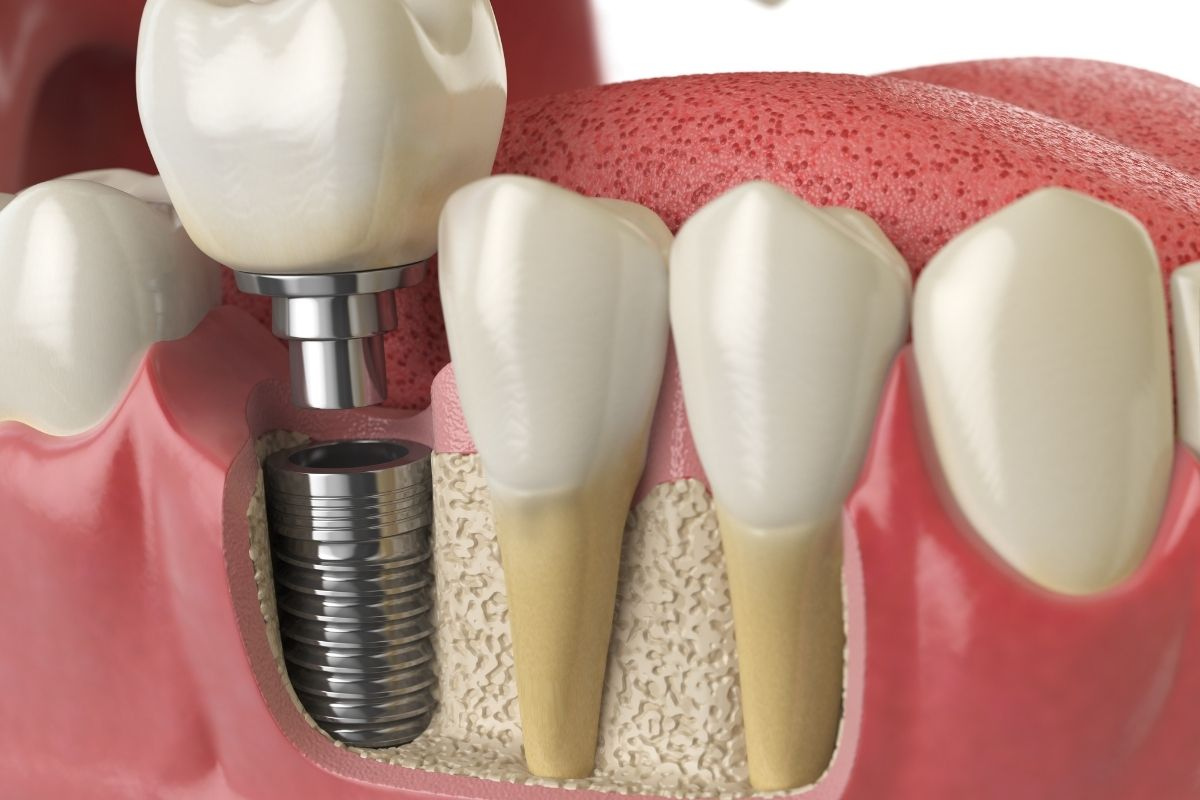
Dental implants are made from titanium, a metal that is known for its strength and biocompatibility. They fuse with the jawbone in a process called osseointegration, making them incredibly stable and long-lasting. Unlike bridges or dentures that need to be replaced or adjusted over time, artificial tooth roots can last a lifetime with proper care.
3. Restoration Of Natural Function
With implanted teeth, you can chew, bite, and speak just like you did with your natural teeth. There is no worry about your replacement teeth slipping or becoming uncomfortable, as they are securely anchored in your jaw. It is a game-changer compared to removable dentures, which can shift and require adhesive.
4. Aesthetically Pleasing And Comfortable
Because dental implants are custom-made to match the shape and color of your natural teeth, they provide a seamless, natural-looking result. Plus, they feel much more comfortable than removable options, which often irritate the gums and mouth.
5. Prevention Of Further Oral Problems
By filling in the gaps left by missing teeth, prosthetic teeth help maintain the alignment of the remaining teeth. This prevents issues like bite misalignment and jaw strain that can arise from teeth shifting over time.
How Does The Fixed Dental Prosthetics Process Work?
The prosthetic teeth surgical process involves several stages to ensure the best results:
Step 1: Consultation And Planning: A dentist will evaluate your teeth, gums, and jawbone and take X-rays to create a personalized treatment plan. If necessary, a bone graft will be done to ensure sufficient bone for the implant.
Step 2: Implant Placement: The titanium implant is surgically placed into the jawbone. Over time, it fuses with the bone, creating a secure foundation for the crown.
Step 3: Restoration: Once the implant integrates, a custom crown or bridge is placed on top, restoring function and appearance.
Step 4: Ongoing Care: Regular check-ups and good oral hygiene are essential to maintain the implant’s long-term success.
When Should You Consider Prosthetic Teeth?
Artificial tooth roots are suitable for most people, but certain conditions may need to be addressed before proceeding. If you have healthy gums and sufficient bone mass, you may be an ideal candidate. However, if bone loss has occurred, a bone grafting procedure can help restore the foundation necessary for successful implant placement.
The Future Of Your Smile Is Just An Appointment Away
Choosing dental implants in Hattiesburg is more than just a cosmetic decision. It is a step towards improving your overall oral health and quality of life. If you are ready to restore the function and beauty of your smile, the team at Cronin Dentistry is here to guide you every step of the way. With cutting-edge technology and personalized care, we will help you achieve lasting results that look and feel natural. Book an appointment today to address your missing teeth and achieve a confident, improved, and healthier smile.
FAQs
What happens if I do not replace a missing tooth?
Leaving a gap allows surrounding teeth to drift out of position, which can lead to bite imbalance and increased risk of dental decay. The jawbone beneath may also deteriorate without stimulation, affecting facial structure.
How long do implant‑based replacements typically last?
With proper care, the implant’s foundation can endure for decades due to bone integration and stable support. The visible crown or prosthesis may require upkeep or replacement over time, but the core remains robust.
Am I a candidate for modern tooth‑replacement posts?
Most healthy adults with enough jawbone and healthy gums can get implants, as long as they maintain good hygiene and follow-up care. If you have bone loss or gum issues, treatments may be needed prior to the treatment.
Do implant restorations feel like natural teeth when chewing and speaking?
Yes, because they integrate with the underlying bone and do not shift like removable devices, they allow near‑normal function for eating and talking. Most patients report a seamless transition to everyday activities with minimal adjustment.
What are the risks or complications associated with implant procedures?
Though success rates are high, potential issues include infection, nerve irritation, or weak integration in compromised bone. Prompt monitoring and appropriate aftercare help mitigate these risks and promote long‑term success.