
Hattiesburg: 601-450-5550
How to Tell If a Tooth Needs a Crown Instead of a Filling


How to Tell If a Tooth Needs a Crown Instead of a Filling
By Cronin Dentistry | February 24, 2026
In Columbia, MS, it’s common for patients to put off dental visits until a tooth becomes sensitive, cracks while chewing, or an old filling starts failing. You might feel a sharp twinge when biting into something firm, or notice a piece of your tooth missing in the mirror. At that point, the question isn’t just “Is there a cavity?” — it’s “What kind of repair will actually hold?”
Many people assume a filling fixes most problems. While fillings are effective for small to moderate decay, they are not designed to reinforce severely weakened teeth. Understanding when a crown becomes necessary can help you avoid repeated repairs, fractures, or even tooth loss. This guide explains how dentists evaluate the difference.
What’s the Real Difference Between a Filling and a Crown?
A dental filling restores a portion of a tooth lost to decay. Composite or amalgam materials replace damaged structures but rely on the remaining natural enamel and dentin for support.
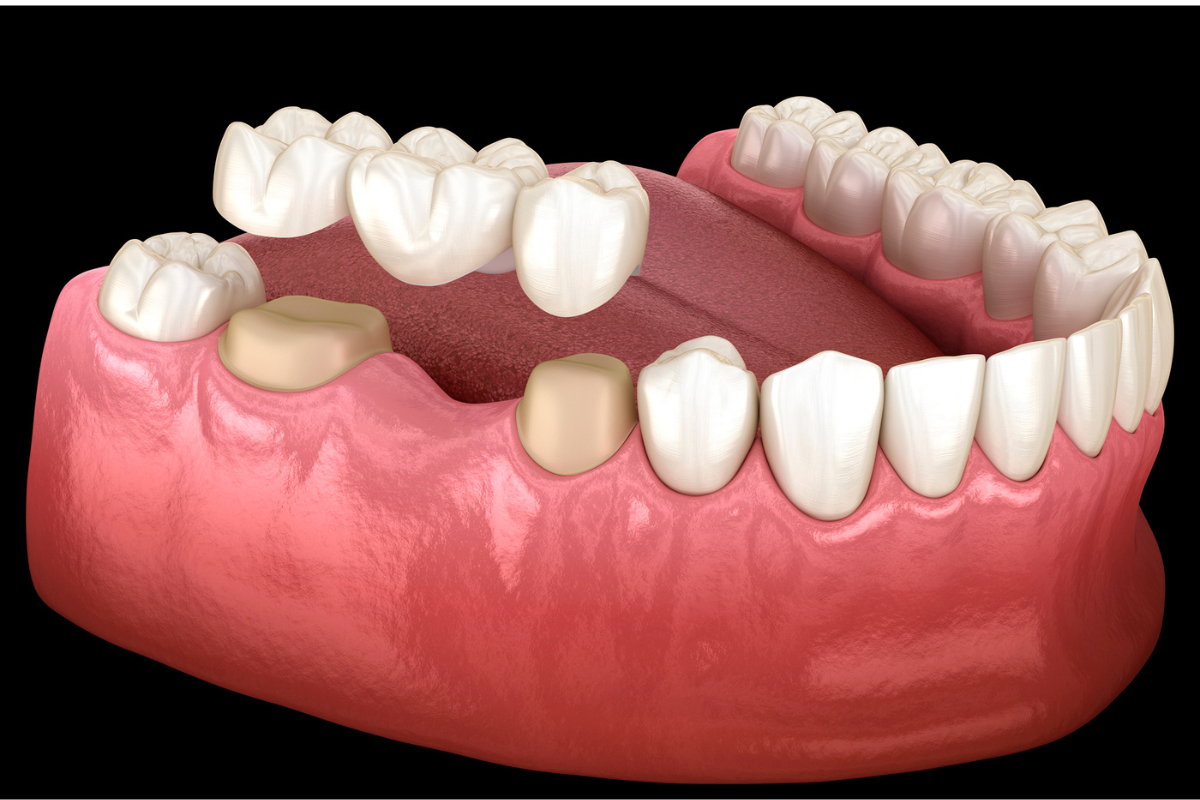
A dental crown, sometimes called a cap, covers the entire visible portion of the tooth. It redistributes biting forces and protects the weakened structure from cracking.
According to the American Dental Association, crowns are recommended when a tooth has extensive decay, fractures, or structural compromise that a filling alone cannot stabilize.
How Dentists Decide: Key Clinical Factors
1. Amount of Remaining Tooth Structure
If more than half of the natural tooth is missing, a filling may not provide enough reinforcement. Large fillings can act like wedges, increasing the risk of fracture under chewing pressure.
When structural integrity is compromised, coverage with a crown offers long-term protection.
2. Cracks or Fracture Lines
Teeth that show visible cracks, biting pain, or “craze lines” extending deeper into enamel may require full coverage. Fillings cannot stop cracks from propagating.
A crown helps bind the tooth together and reduces flexing during chewing.
3. After Root Canal Treatment
Teeth that undergo root canal therapy lose internal structural support and can become brittle over time. Research in peer-reviewed endodontic literature consistently shows that posterior teeth treated with root canals benefit significantly from crown placement to reduce fracture risk.
If you’ve had a root canal and only a filling was placed, the tooth may remain vulnerable.
4. Repeated Filling Failures
If a tooth has been filled multiple times and keeps breaking down, the issue may not be decay; it may be structural weakness. Each replacement removes more natural material.
In these cases, a full-coverage restoration is often the more durable solution.
When Is a Crown Needed Instead of a Filling?
A crown is typically needed instead of a filling when a tooth has lost significant structure due to decay, cracks, trauma, or previous large restorations. If the remaining tooth cannot withstand normal chewing forces, a crown provides full coverage and reinforcement to prevent fractures. Dentists also recommend crowns after most root canal treatments to protect weakened teeth.
Symptoms That May Signal a Crown Is Necessary
While diagnosis requires clinical evaluation and imaging, patients often report:
- Pain when chewing or releasing pressure
- Visible cracks or missing tooth corners
- Large, dark old fillings
- Sensitivity that persists after prior repair
- A tooth that feels “unstable”
If you notice these issues, it’s worth having the tooth evaluated before it breaks further.
At a Columbia-area dental office, digital imaging and clinical assessment help determine whether a conservative restoration will last or whether full coverage is the safer approach.
Why Large Fillings Sometimes Fail
Modern composite fillings bond well to enamel, but they do not restore the tooth’s original strength when a large portion is missing.
Biomechanically, teeth endure significant occlusal forces, especially molars. When the remaining cusps are thin, they flex under load. Over time, that flexion can cause microfractures that lead to catastrophic breaks.
That’s why many dental care providers recommend crowns once structural loss crosses a certain threshold.
What About Same-Day Crowns?
Traditionally, crown treatment required two visits: one to prepare the tooth and take impressions, and another to place the final restoration after laboratory fabrication.
Advancements like CEREC technology allow digital scanning and in-office milling of ceramic crowns in a single appointment. This eliminates temporary crowns and reduces turnaround time while maintaining precision.
Same-day fabrication can be particularly helpful for patients managing work schedules or traveling from surrounding communities in South Mississippi.
Risks of Delaying a Crown When It’s Needed
Choosing a filling when a crown is indicated may result in:
- Tooth fracture requiring extraction
- Increased repair costs later
- Emergency visits due to breakage
- Need for more complex procedures, such as implants or bridges
Early intervention is typically more conservative than repairing a catastrophic failure.
How the Decision Is Ultimately Made
The determination isn’t based on guesswork. Dentists evaluate:
- Radiographs (to assess decay depth and internal structure)
- Remaining enamel thickness
- Bite forces and grinding habits
- Tooth position in the arch
- History of prior restorations
A tooth that appears “fixable” with a filling may not withstand long-term functional demands.
If you’re unsure about a recommendation, a consultation at Cronin Dentistry can clarify your options and outline the structural reasoning behind the treatment plan.
When a tooth is compromised beyond a small cavity, a filling may not be enough to prevent future fractures. Understanding the structural role of a crown allows you to make informed decisions rather than reacting to repeated repairs.
If you’re experiencing symptoms or have been told you might need a crown, scheduling an evaluation at Cronin Dentistry can provide clarity and a plan focused on preserving long-term tooth stability.
Frequently Asked Questions
Can a large filling last as long as a crown?
Large fillings may last several years, but they do not provide full structural coverage. Crowns generally offer greater durability when significant tooth structure is missing.
Does getting a crown mean my tooth is severely damaged?
Not necessarily. Crowns are preventive as well as restorative. They’re often placed to prevent future fractures, not just after major breakage.
Is a crown more invasive than a filling?
A crown requires reshaping the outer portion of the tooth to allow proper fit. However, when structural compromise is present, this approach may preserve more long-term tooth integrity than repeated large fillings.
Are crowns only for back teeth?
No. Crowns are placed on front teeth when trauma, decay, or cosmetic concerns affect structural stability.
How long do dental crowns last?
With proper oral hygiene and routine care, ceramic crowns often last 10–15 years or longer, depending on bite forces and habits such as grinding.