Hattiesburg: 601-450-5550
Can Tooth Extraction Change Your Bite Over Time? What Patients Often Notice Later

Can Tooth Extraction Change Your Bite Over Time? What Patients Often Notice Later
By Cronin Dentistry | May 7, 2026
Driving between Midtown Hattiesburg and nearby communities like Petal, Oak Grove, or Columbia, many patients eventually bring up the same concern during routine visits: “My teeth just don’t fit together the way they used to.” In many cases, the change started months or even years after a tooth extraction. Some patients notice chewing feels uneven. Others describe pressure on one side, food getting trapped more often, or jaw soreness that gradually became part of daily life.
At Cronin Dentistry, Dr. C. Kelly Cronin and his team welcome patients from across Mississippi at our dental practices in Hattiesburg and Columbia. Our team works closely with patients to evaluate how tooth loss may affect long-term comfort, bite stability, and overall oral function. With a practical, patient-centered approach, we help people understand not only what changed, but why it happened and which treatment options may help restore comfort and function. Contact us to schedule an evaluation at either of our Mississippi locations.
Many people searching for a trusted dentist for missing tooth replacement and bite problems are surprised to learn that a single extraction can influence far more than the empty space itself.
The Bite Changes Most Patients Don’t Notice Right Away
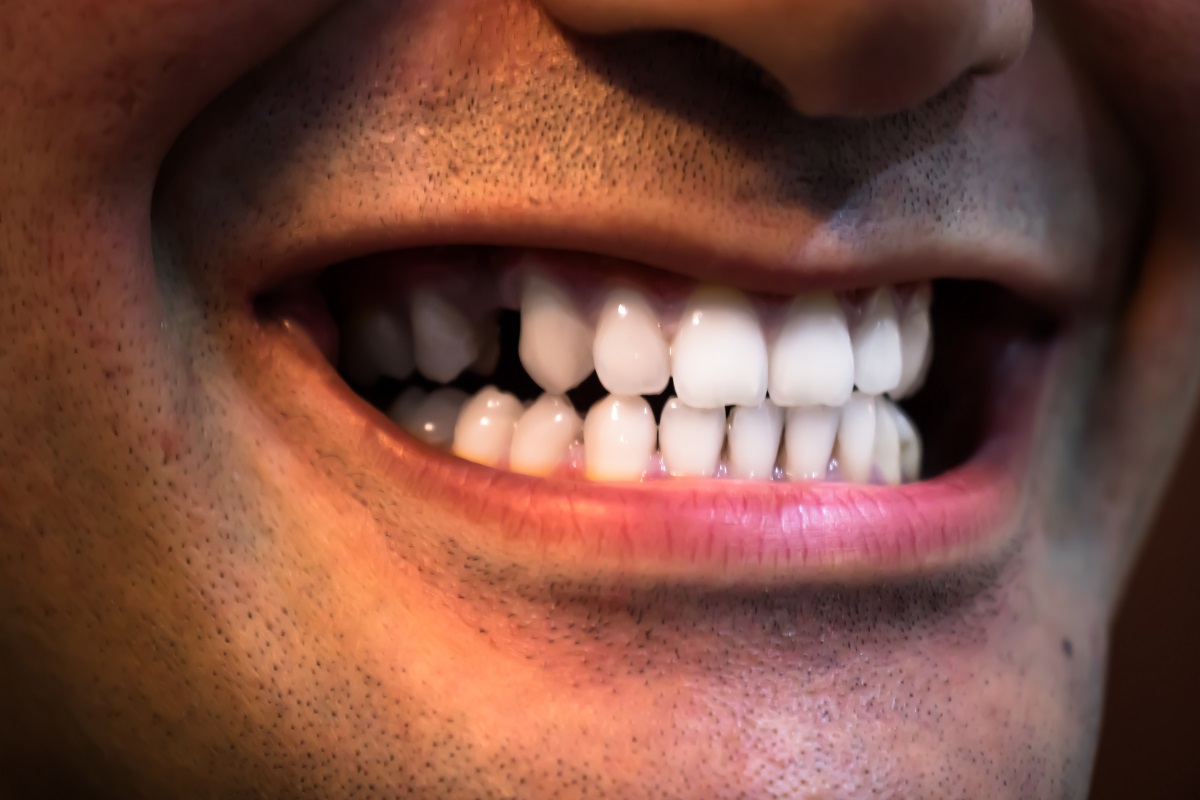
After a tooth is removed, the mouth rarely stays completely still. Teeth naturally depend on neighboring and opposing teeth for balance and positioning. Once one tooth is gone, nearby teeth may slowly begin drifting toward the open space.
This movement usually happens gradually, which is why many patients do not connect their symptoms to an extraction that occurred years earlier.
Dentists often see patients who have adapted to subtle bite changes without realizing it. They may start chewing more on one side, avoid harder foods, or unconsciously shift their jaw to find a “comfortable” position. Over time, those small adjustments can place extra pressure on certain teeth or jaw joints.
Back tooth extractions tend to create more noticeable bite changes because molars handle most chewing force and help maintain vertical support for the bite.
Why Teeth Shift After an Extraction
The process is mechanical but relatively simple to understand.
When a tooth is missing:
- Adjacent teeth may lean into the empty space
- Opposing teeth can begin erupting downward or upward due to lack of contact
- Chewing forces become uneven
- The jaw may compensate during biting and chewing
- Bone in the extraction area may gradually shrink over time
Not every patient experiences severe shifting, but the risk increases when the missing tooth remains untreated for years.
One pattern dentists commonly observe involves lower molar loss. Patients often think they are functioning normally until the upper tooth begins drifting downward into the gap. Once that happens, replacing the missing tooth can become more complicated because spacing and alignment have changed.
“My Bite Feels Off” Is Often the First Clue
Patients rarely walk into the office saying, “My teeth shifted.” Instead, they describe changes indirectly.
Some of the most common complaints include:
- One tooth touching earlier than others
- Difficulty chewing evenly
- Sudden sensitivity on certain teeth
- Jaw fatigue during meals
- Food packing between teeth
- Frequent cheek biting
- Tension headaches near the temples
- Clicking or tightness near the jaw joint
These symptoms do not automatically mean severe damage exists, but they are important because they often indicate that the bite is compensating unevenly.
In some cases, patients only notice the problem after receiving a crown, bridge, or filling elsewhere because the bite imbalance becomes more obvious once new dental work is introduced.
The Mistake Many Patients Make After an Extraction
A common misconception is that if the extraction site heals and pain disappears, no additional treatment is necessary.
This is especially common when:
- The missing tooth is far in the back
- The patient can still chew adequately
- The tooth was removed years ago without immediate problems
- Cost concerns delayed replacement discussions
But teeth do not require pain to shift.
Dentists frequently see patients who have waited five to ten years before evaluating replacement options. By that point, neighboring teeth may have tilted enough to complicate implant placement or orthodontic correction.
That does not mean replacement becomes impossible. It simply means treatment planning often becomes more involved.
Why Some Patients Develop Jaw Problems While Others Don’t
Not every extraction leads to noticeable bite complications. Several factors influence what happens next.
These include:
- Which tooth was removed
- Existing crowding or alignment issues
- Teeth grinding or clenching habits
- Bone support levels
- Age-related wear
- How the patient chews
- Whether multiple teeth are missing
For example, wisdom tooth extractions generally do not create the same long-term bite instability as losing a functional molar used for chewing.
However, losing multiple back teeth on one side can significantly alter chewing mechanics. Patients sometimes compensate so heavily on the opposite side that they begin overloading teeth that were previously healthy.
A patient looking for a dentist in Hattiesburg for jaw pain after tooth extraction may not realize the discomfort is connected to a gradual bite imbalance rather than the extraction procedure itself.
What Dentists Look for During an Evaluation
When patients report bite concerns after tooth loss, the examination usually goes beyond the extraction site alone.
Dentists evaluate:
- Tooth movement patterns
- Wear marks from uneven pressure
- Jaw joint tenderness
- Bone changes in the missing tooth area
- Chewing function
- Gum stability around neighboring teeth
- Space availability for replacement options
Sometimes the issue is relatively minor and manageable with conservative adjustments. In other situations, untreated shifting may require orthodontic movement before restorative work can be completed properly.
One important detail many patients overlook is timing. Earlier evaluation typically preserves more treatment flexibility.
Can Bite Changes Be Corrected Later?
In many situations, yes.
Treatment depends on:
- How long the tooth has been missing
- Degree of shifting
- Bone condition
- Overall oral health
- Functional symptoms
Possible solutions may include:
- Dental implants
- Bridges
- Orthodontic repositioning
- Bite adjustment
- Retainers or aligners
- Restorative rebuilding of worn teeth
Some patients worry they waited “too long” to address the issue. While delayed treatment can increase complexity, dentists frequently help patients improve bite stability even years after extraction.
The key is understanding that treatment decisions are individualized. A patient with mild drifting and no symptoms may need a very different approach than someone experiencing jaw strain or collapsing bite support.
When Patients Should Stop Monitoring and Schedule an Exam
Minor temporary changes immediately after extraction can occur because of swelling and healing. However, persistent functional changes deserve evaluation.
Patients should consider scheduling an assessment if they notice:
- Bite changes lasting more than a few weeks
- Increasing difficulty chewing
- Jaw soreness or fatigue
- Shifting teeth
- New spacing between teeth
- Cracked or worn teeth
- Recurring food trapping
- Headaches linked to jaw tension
These signs do not always indicate serious damage, but they often reflect changes that become harder to correct over time.
Protecting Long-Term Comfort Starts With Early Evaluation
Patients across Mississippi often assume their changing bite is simply part of getting older, when in reality, untreated tooth loss and gradual shifting may be contributing to the problem. At Cronin Dentistry, patients can visit our dental practices in Hattiesburg and Columbia for evaluations focused on long-term comfort, bite stability, and overall oral function.
If chewing feels uneven, your jaw feels strained, or your teeth no longer fit together comfortably, scheduling a professional assessment may help prevent more extensive complications later.
As we evaluate these situations in our offices, we often find that many people adapted to subtle bite changes for years before realizing how much their teeth and jaw alignment had shifted. Identifying these patterns early can help preserve comfort, function, and stability before additional stress affects surrounding teeth and jaw support.
FAQs
Can one missing tooth really affect my entire bite?
Yes. Even one missing tooth can gradually change how nearby and opposing teeth contact each other, especially when the missing tooth is subjected to heavy chewing forces.
How long does it take for teeth to shift after an extraction?
Some movement can begin within months, although noticeable bite changes often develop gradually over several years.
Is it normal for my jaw to feel tired after losing a tooth?
It can happen when chewing forces become uneven, and the jaw compensates repeatedly during eating.
Do front tooth extractions affect the bite differently from molars?
Yes. Front tooth loss may affect appearance and speech more noticeably, while molar loss usually creates greater chewing imbalance and bite instability.
Can wisdom tooth extraction change my bite permanently?
Most wisdom tooth removals do not create major bite problems because wisdom teeth often contribute less to normal chewing function.
What happens if I never replace a missing molar?
Nearby teeth may tilt, opposing teeth may drift, and uneven pressure can eventually affect chewing comfort and jaw function.
Can Invisalign help after teeth shift from an extraction?
In some cases, clear aligners or orthodontic treatment can help reposition teeth before restorative treatment.
Is jaw clicking after extraction always related to bite problems?
Not always. Jaw clicking can have multiple causes, but bite imbalance may contribute to strain around the jaw joints.