
Hattiesburg: 601-450-5550
Adult Braces: 9 Things Patients Wish They Knew Before Starting Treatment

Adult Braces: 9 Things Patients Wish They Knew Before Starting Treatment
By Cronin Dentistry | May 21, 2026
In Columbia, MS, many adults spend years thinking about braces before finally scheduling a consultation. Some assume they missed their chance after high school. Others worry treatment will feel too noticeable at work, interfere with daily routines, or simply not be worth the investment. Whether you live in Columbia, Foxworth, Morgantown, or nearby parts of Marion County, many adults tell us the same thing after starting treatment: “I wish I had done this sooner.”
At Cronin Dentistry of Columbia, Dr. C. Kelly Cronin and his team help adults understand orthodontic treatment in practical, realistic terms. Their approach focuses on long-term oral health, bite function, and cosmetic goals so patients understand what to expect before making treatment decisions. If you have questions about adult braces or want personalized guidance, contact our team today to schedule a consultation and explore your options.
Straight Teeth Are Only Part of the Story
One of the biggest surprises for adults is realizing braces are not always just about appearance.
Many patients initially schedule a consultation because they want a more confident smile, but during an evaluation, we often uncover concerns like crowding, uneven tooth wear, bite imbalance, or areas that are difficult to clean properly.
When teeth overlap or sit out of alignment, brushing and flossing may become harder over time. Some adults also experience shifting teeth that gradually worsen with age, especially after years without retainers or previous orthodontic treatment.
This is one reason patients researching an orthodontist in Columbia for adults often discover treatment may involve more than cosmetic changes alone.
The First Few Weeks Usually Feel Different Than Expected
Adults often expect severe pain when they think about braces.
In reality, most patients describe the early experience as soreness or pressure rather than intense pain. Teeth feel tender because orthodontic movement applies controlled force to gradually reposition them.
What tends to surprise adults more are the small lifestyle adjustments:
- Eating softer foods during the first several days
- Becoming more aware of speech temporarily
- Learning how to clean around brackets or appliances
- Avoiding foods that can damage treatment
Patients with customer-facing jobs or frequent meetings sometimes worry braces will be distracting, but most adapt faster than expected.
Treatment Timelines Depend on More Than Age
Many adults assume braces automatically take longer because they are older.
The truth is usually more complicated.
Adult orthodontic treatment can sometimes take longer because adults often arrive with more dental history. Previous crowns, missing teeth, gum concerns, bite problems, grinding habits, or years of shifting can affect how treatment is planned.
We also commonly see adults who delayed treatment for years, only to realize spacing or crowding gradually became more noticeable.
This does not mean waiting always creates major problems, but earlier evaluation often gives patients more flexibility.
Clear Aligners and Braces Are Not Interchangeable
Many adults walk into consultations assuming clear aligners and braces work exactly the same way.
Sometimes they do.
Sometimes they do not.
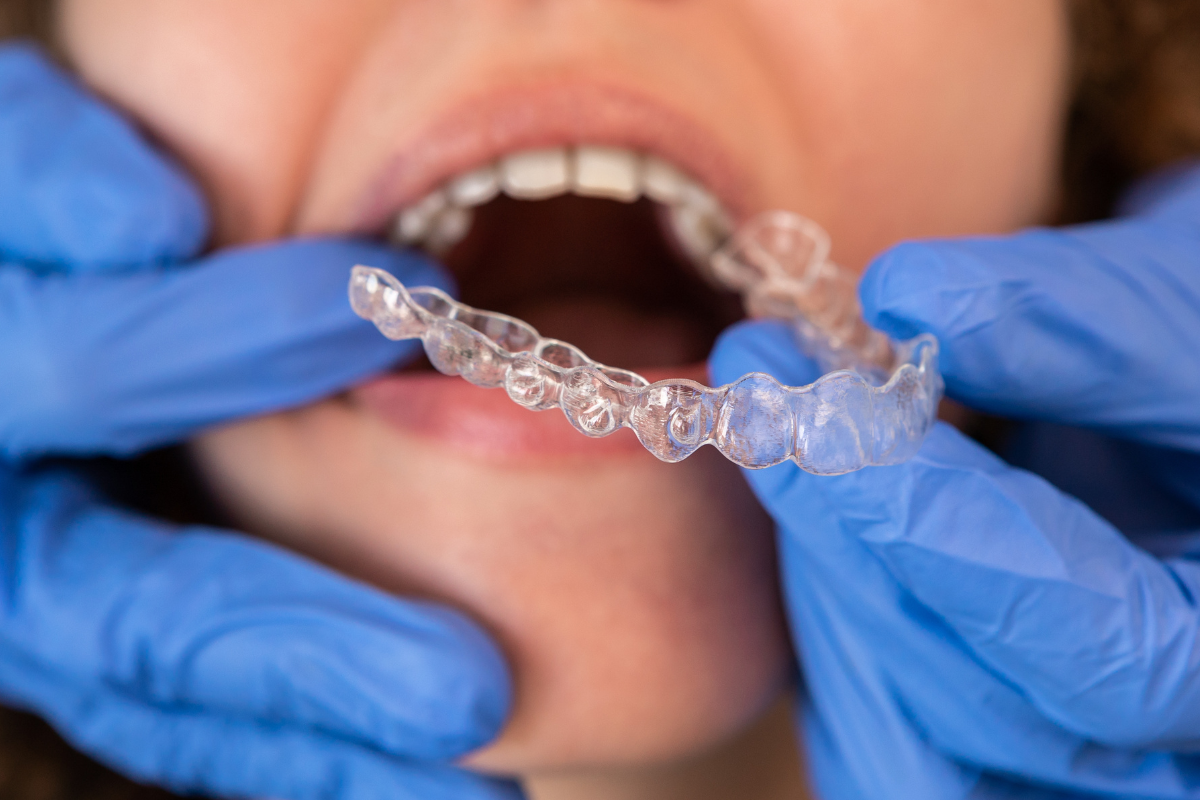
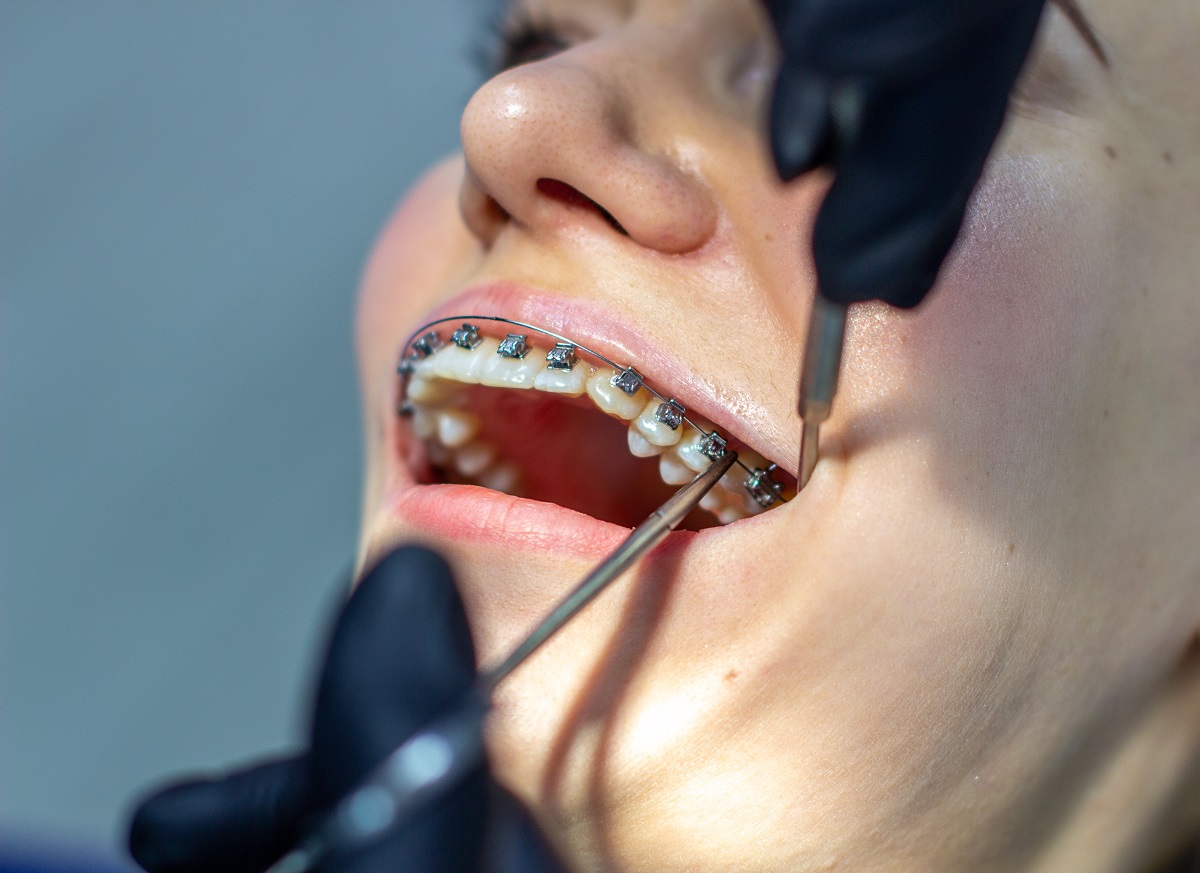
Certain bite problems and tooth movements respond better to braces, while mild alignment concerns may work well with removable aligners. Ceramic braces are another option many adults appreciate because they are less noticeable than traditional metal braces.
At our office, treatment discussions usually focus less on trends and more on what realistically works best for each patient’s goals and dental needs.
Small Habits Can Quietly Delay Progress
Adults are often surprised by how much consistency matters.
Treatment delays commonly happen because patients:
- Miss adjustment appointments
- Forget rubber band instructions
- Remove aligners too frequently
- Break brackets with hard foods
- Delay follow-up care because of busy schedules
Many adults balancing careers, children, or travel unintentionally deprioritize orthodontic care.
What we often notice in practice is that patients who stay consistent usually feel more satisfied because treatment stays predictable.
If you are unsure what treatment may realistically involve, scheduling an adult orthodontist consultation can help answer questions before committing.
Eating Changes More Than People Expect
Most adults understand that braces affect food choices, but they often underestimate how much convenience changes.
Crunchy snacks, sticky foods, popcorn, chewing ice, and certain hard foods suddenly require more thought.
Adults who regularly eat on the go or travel for work sometimes find this frustrating initially.
However, many patients say the adjustment becomes easier after the first few weeks, once new habits feel routine.
Braces Can Improve More Than Appearance
This often catches adults off guard.
Some patients notice improvements in chewing comfort, bite balance, or oral hygiene as alignment improves. Teeth that are easier to clean may also reduce frustration with brushing and flossing.
We also see patients who delayed treatment because they worried braces would look unprofessional. Later, many tell us coworkers barely noticed after the first adjustment period.
These practical benefits are often the things patients wish someone had explained sooner.
Retainers Matter More Than Most Adults Realize
A common misconception is that orthodontic treatment ends the day braces come off.
Teeth naturally shift over time.
Without retainers, previous crowding or spacing can gradually return. Adults are often surprised by how quickly small movements become noticeable after treatment if retention is ignored.
This is one of the most common lessons patients say they wish they had understood from the beginning.
Waiting Rarely Makes Orthodontic Concerns Simpler
Many adults delay braces because life feels too busy.
But crowding, bite imbalance, shifting teeth, and uneven wear sometimes progress gradually over time. What feels manageable today may become more frustrating later.
That does not mean every concern needs immediate treatment. However, uncertainty is often a good reason to stop guessing and schedule a professional evaluation.
Thinking About Adult Braces? Let’s Talk.
At Cronin Dentistry of Columbia, Dr. C. Kelly Cronin and his team help adults better understand orthodontic treatment without pressure or confusion. Whether you have concerns about comfort, appearance, treatment time, or bite issues, we are here to help you understand your options clearly. Visit our dental office in Columbia, MS, or call Cronin Dentistry of Columbia today to schedule your consultation and get answers before starting treatment.
Choosing orthodontic treatment as an adult often feels like a big decision, especially when questions about comfort, time, and results are involved. We believe patients make better decisions when they understand what daily life with braces realistically looks like before starting. Our goal is to help you feel informed, prepared, and confident about what comes next.
Frequently Asked Questions
Am I too old to get braces?
No. Healthy teeth and gums matter more than age. Many adults begin orthodontic treatment in their 30s, 40s, 50s, and beyond.
Do braces hurt more for adults?
Most adults describe temporary soreness or pressure after adjustments rather than severe pain. Discomfort usually improves within several days.
Are clear aligners better than braces?
Not necessarily. Treatment depends on bite complexity, tooth movement needs, and patient habits.
Will braces affect my professional appearance?
Many adults worry about this initially, but most find that others notice braces less than expected.
How long do adult braces usually take?
Treatment length varies depending on crowding, bite concerns, and consistency with appointments and instructions.
Can braces help bite problems?
Yes. Orthodontic treatment may improve chewing balance, uneven pressure, and specific alignment-related concerns.
What happens if I stop wearing my retainer?
Teeth may gradually shift, especially if crowding existed before treatment.
Is getting braces as an adult worth it?
For many adults, improved confidence, easier cleaning, and better function make treatment worthwhile.