Hattiesburg: 601-450-5550
What Happens if You Don’t Replace a Missing Tooth?


What Happens if You Don’t Replace a Missing Tooth?
By Cronin Dentistry | May 28, 2026
In Hattiesburg and nearby communities like Oak Grove, Petal, and Sumrall, it is common for patients to put off replacing a missing tooth. Sometimes life gets busy. Sometimes the missing space is not visible when smiling. In many cases, people assume, “It’s just one tooth. I can deal with it later.” What surprises many patients is how quickly small changes can quietly build into bigger problems.
At first, a missing tooth may feel mostly like an inconvenience. But over time, nearby teeth, jawbone support, chewing habits, and even long-term dental costs can change in ways patients do not expect.
At Cronin Family Dentistry, Dr. C. Kelly Cronin takes a practical, patient-focused approach to tooth replacement planning. With extensive experience helping patients restore function and protect long-term oral health, he focuses on helping people understand what happens after tooth loss, what can safely wait, and when delaying treatment may make options more complicated. If you are unsure whether a missing tooth should be replaced now or want to understand your options, scheduling an appointment can be a helpful first step toward protecting your long-term oral health.
Why a Missing Tooth Affects More Than Just Appearance
Many patients assume replacing a tooth is mainly cosmetic. That is understandable, especially if the missing tooth is in the back, where no one sees it.
In reality, teeth function like a connected system. Each tooth helps stabilize neighboring teeth and supports how your upper and lower bite fit together. When one tooth disappears, the surrounding structures begin adapting, and not always in helpful ways.
One of the most common things dentists notice is that patients rarely realize changes are happening until they become uncomfortable or harder to reverse.
For patients researching options for dental implants in the Hattiesburg area, understanding these changes early often helps avoid more involved treatment later.
Teeth Do Not Always Stay Where They Belong
One of the earliest changes after tooth loss is movement.
Teeth naturally rely on contact with neighboring teeth for stability. Once there is a space, adjacent teeth may begin drifting toward the gap. Opposing teeth can also slowly shift because they no longer have normal contact when biting.
Patients often notice this in subtle ways:
- Food getting trapped more often
- Bite changes that feel “off”
- New spacing between teeth
- Increased difficulty flossing
- Unexpected sensitivity
Many people assume shifting only happens after several years. In reality, dentists sometimes begin seeing movement much sooner, especially when bite pressure is uneven.
A common patient mistake is waiting until teeth noticeably move before scheduling an evaluation. At that point, replacing the missing tooth may require correcting spacing or bite issues first.
The Jawbone Also Changes After Tooth Loss
Most patients are surprised to learn that tooth roots help stimulate the jawbone.
When a tooth is removed or lost, the bone underneath no longer receives the same daily pressure from chewing. Over time, the body may begin resorbing, or shrinking, the unused bone.
This process is gradual, which makes it easy to ignore. Patients do not usually feel bone loss happening.
However, dentists may notice:
- Changes in gum contour
- Reduced bone density on X-rays
- A collapsing appearance around the missing area
- Less support for future tooth replacement
This matters because delayed treatment can sometimes reduce replacement options or increase complexity.
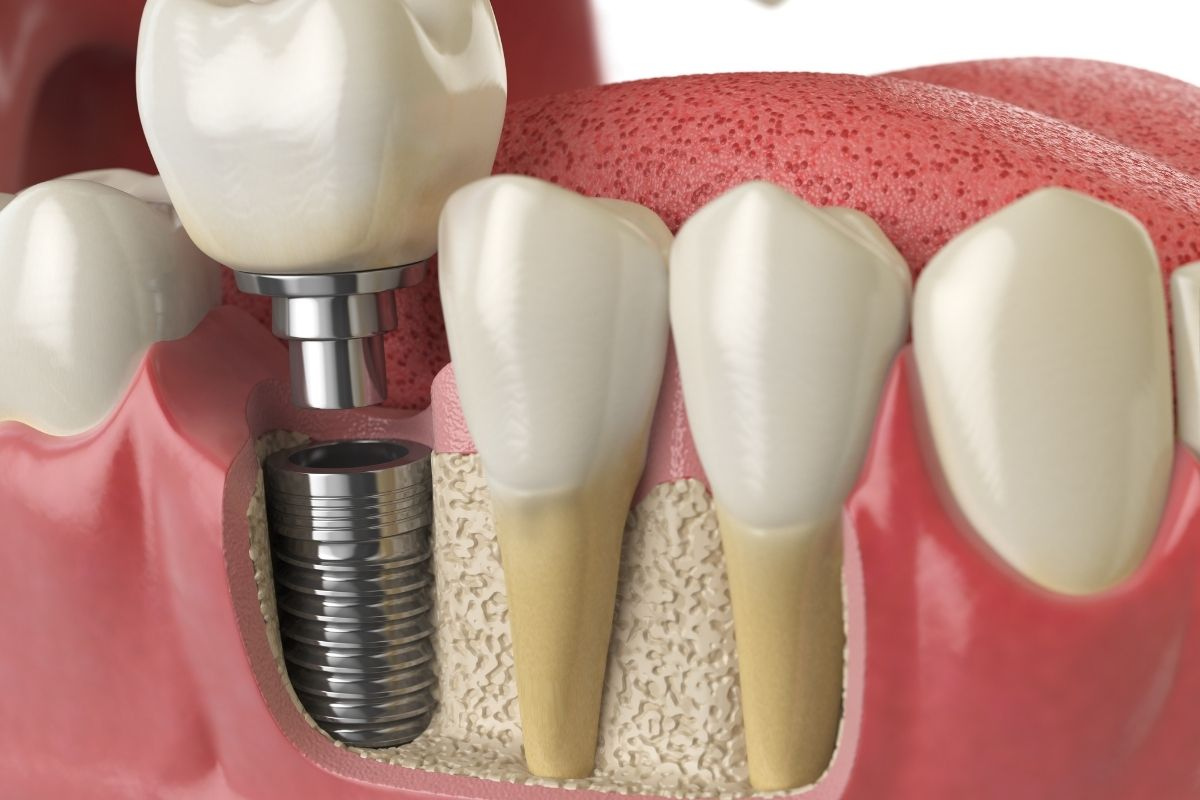
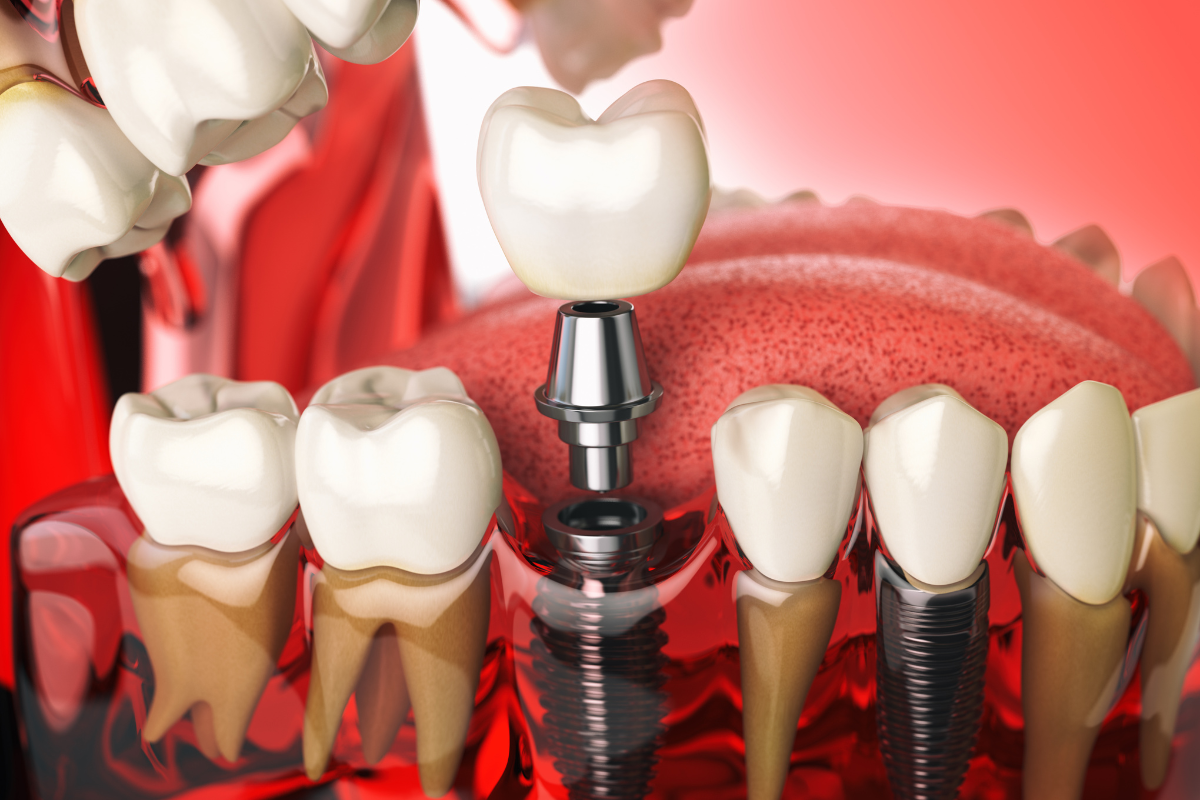
For example, patients interested in dental implants or any other tooth replacement options may still qualify after years of waiting, but some eventually need additional procedures to rebuild lost bone before implant placement becomes possible.
Chewing Habits Quietly Change
Many patients adapt to a missing tooth without realizing it.
Instead of chewing evenly, they begin favoring one side of the mouth. Over months or years, this compensation can create extra pressure on certain teeth.
Dentists sometimes hear comments like:
“I didn’t even notice I stopped chewing on that side.”
When one side consistently works harder, patients may experience:
- Uneven tooth wear
- Cracked fillings or crowns
- Muscle fatigue
- Jaw discomfort
- Increased stress on healthy teeth
This is especially common when molars are missing. Because back teeth handle most chewing force, patients may underestimate how much function they lost until problems begin affecting neighboring teeth.
“But It’s Just One Back Tooth…”
This is one of the most common misconceptions dentists hear.
Patients often assume front teeth matter more because they affect appearance. While front teeth certainly matter, back teeth play a major role in bite stability and chewing efficiency.
In many cases, patients delay replacing a back molar for years because daily life still feels manageable.
What dentists often observe later is a combination of shifting teeth, bite imbalance, cracked enamel, and more expensive treatment planning than originally expected.
That does not mean every missing tooth creates immediate problems. Some patients remain stable longer than others, depending on bite patterns, gum health, and overall oral condition. The important factor is understanding risk instead of assuming nothing is happening.
Waiting Because of Cost or Fear Is Extremely Common
Patients delay tooth replacement for many understandable reasons.
Some worry treatment will be expensive. Others assume replacement is painful. Many simply feel uncertain about whether replacement is truly necessary.
At Cronin Family Dentistry, one pattern we commonly see is patients waiting until discomfort appears. Unfortunately, by the time symptoms become obvious, treatment may be more involved.
An early consultation does not automatically mean treatment has to happen immediately. In many cases, patients simply benefit from understanding:
- What is changing now
- What may happen if they wait
- Which options fit their timeline and budget
- Whether treatment urgency is high or relatively stable
That clarity often helps reduce uncertainty.
What If You Lost a Tooth Years Ago?
Many patients hesitate to schedule because they assume they waited too long.
The reality is more reassuring than most people expect.
Even if a tooth has been missing for years, there are often still good solutions available. The right treatment depends on factors like bone support, gum health, tooth movement, and bite position.
Some patients are candidates for implants. Others may benefit from bridges or removable options depending on their needs and goals.
The key difference is that earlier replacement usually gives patients more flexibility and simpler treatment planning.
When Should You Stop Waiting?
If you notice shifting teeth, food trapping, chewing changes, jaw discomfort, or increased sensitivity near a missing space, it is worth scheduling an evaluation.
Even without symptoms, a missing tooth is something dentists typically prefer monitoring rather than ignoring.
At Cronin Family Dentistry, Dr. C. Kelly Cronin helps patients understand what may be happening beneath the surface and whether replacing a missing tooth now could help prevent larger problems later. If you have been putting treatment off or simply are not sure what to do next, visit our dental practice in Hattiesburg, MS. From Oak Grove and Petal to Sumrall and nearby Pine Belt communities, we help patients get clear answers, practical guidance, and treatment recommendations that make sense for their situation.
When a tooth goes missing, the effects are often gradual rather than immediate, which makes delaying treatment feel harmless. But over time, shifting teeth, bone changes, and bite problems can quietly develop in ways that affect future options. We believe the best next step is understanding what is happening in your specific situation so we can help you make an informed decision before small issues become bigger ones.
Frequently Asked Questions
Is it okay to leave one missing tooth untreated?
Sometimes patients function without immediate problems, but leaving a missing tooth untreated may increase the risk of shifting teeth, bite changes, and bone loss over time.
Will nearby teeth move if I do not replace a missing tooth?
They can. Adjacent teeth may slowly drift into the open space, and opposing teeth may shift because normal bite contact changes.
Can a missing tooth cause bone loss?
Yes. Tooth roots help stimulate the jawbone. Without that stimulation, the bone in the area may gradually shrink.
What happens if the missing tooth is in the back?
Back teeth handle most chewing force, so missing molars can sometimes create bite imbalance, uneven wear, and chewing difficulties, even if the gap is not visible.
Can I still get a dental implant years later?
Often, yes. Many patients remain candidates after years, although some may require additional procedures if bone loss has occurred.
Is replacing a missing tooth always urgent?
Not always, but earlier evaluation generally provides more options and may reduce future complications.
How do I know if a missing tooth is causing problems?
Signs may include shifting teeth, food trapping, chewing changes, jaw discomfort, bite changes, or increased sensitivity.
What is the biggest mistake patients make after losing a tooth?
Many assume no pain means no problem. In reality, slow structural changes can happen before symptoms become obvious.