Hattiesburg: 601-450-5550
Is It Too Late to Get a Dental Implant After Losing a Tooth Years Ago?


Is It Too Late to Get a Dental Implant After Losing a Tooth Years Ago?
By Cronin Dentistry | July 13, 2026
If you’ve been living with a missing tooth for months or even years, you’re not alone. Many people throughout Hattiesburg, Petal, Oak Grove, and surrounding communities postpone treatment because life gets busy, the missing tooth isn’t visible, or it simply doesn’t cause pain. Eventually, though, a common question comes up during a dental visit: “Did I wait too long for a dental implant?” The good news is that, in many cases, the answer is no. Even after years of tooth loss, dental implants may still be an option with the right evaluation and treatment plan.
If you’ve been living with a missing tooth and aren’t sure whether a dental implant is still an option, the first step is a professional evaluation. Dr. Caitlin Morris and the team at Cronin Dentistry are here to assess your oral health, answer your questions, and recommend a personalized treatment plan based on your needs. Request an appointment today to learn about your options and take the next step toward restoring your smile.
Missing a Tooth Doesn’t Always Mean Missing Your Opportunity
One of the biggest misconceptions dentists hear is that dental implants have a strict expiration date. While replacing a missing tooth sooner is generally beneficial, many patients successfully receive implants years after losing a tooth.
The real question isn’t how long the tooth has been missing. Instead, it’s whether the surrounding bone and gum tissue can adequately support an implant.
During consultations for dental implants in Hattiesburg, it’s common for patients to say they assumed nothing could be done because too much time had passed. In reality, modern implant dentistry offers solutions for many situations that once would have ruled out treatment.
What Changes After a Tooth Is Lost?
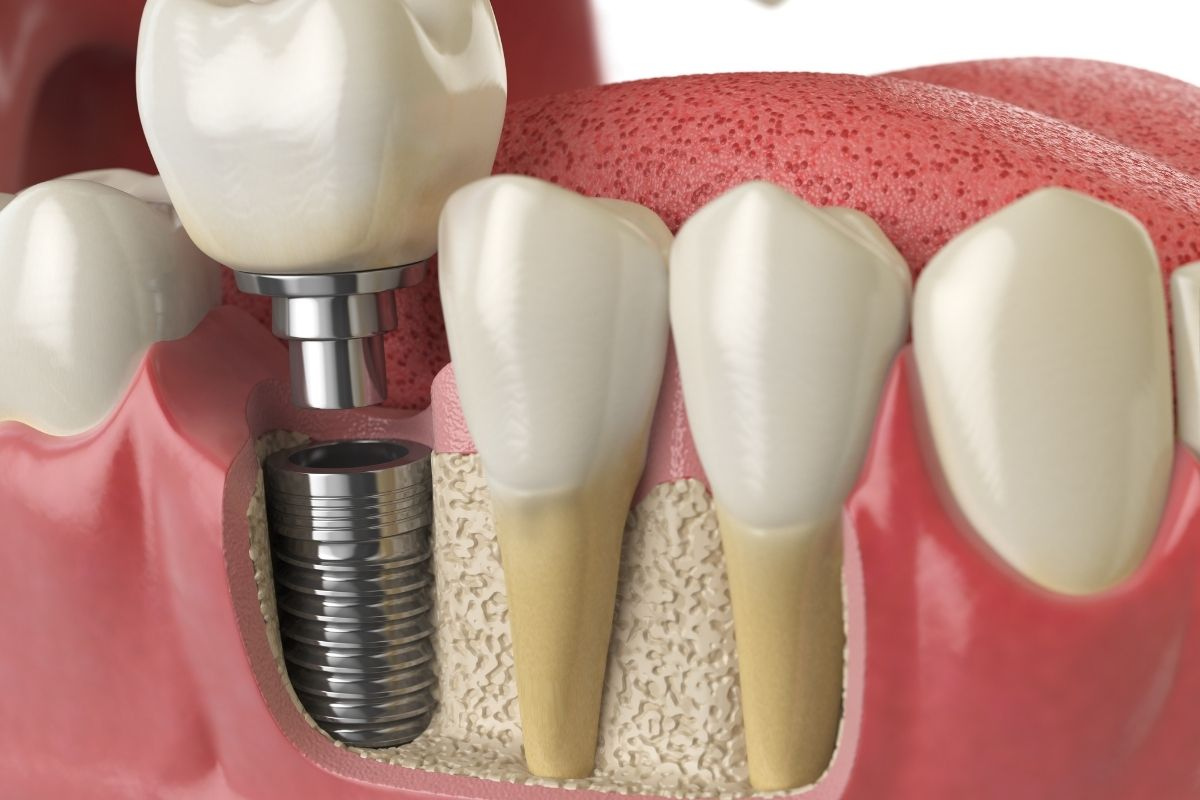
Your jawbone depends on stimulation from your natural tooth roots. Every time you bite or chew, those roots help maintain healthy bone.
Once a tooth is removed or lost, that stimulation disappears. Over time, the body begins to resorb the unused bone.
This process can lead to:
- Gradual loss of jawbone volume
- Changes in gum contours
- Neighboring teeth shifting into the empty space
- Opposing teeth drifting out of position
- Bite changes that become more noticeable over time
These changes happen gradually, which is why many people don’t notice them until years later.
Bone Loss Doesn’t Automatically Eliminate Dental Implant Options
Many patients assume that bone loss means they can no longer receive implants. Fortunately, that’s often not the case.
Dentists evaluate several factors before determining candidacy, including:
- Bone height and width
- Overall gum health
- Location of the missing tooth
- Bite alignment
- General health and healing ability
Three-dimensional imaging allows dentists to assess the available bone with much greater precision than traditional X-rays alone. This detailed evaluation helps determine whether an implant can be placed immediately or if additional preparation is recommended.
Sometimes Additional Treatment Creates New Opportunities
If there isn’t enough bone to securely support an implant, your dentist may recommend procedures designed to rebuild the area before implant placement.
Depending on your situation, treatment may include:
- Bone grafting
- Sinus augmentation for certain upper back teeth
- Guided bone regeneration
These procedures encourage your body to develop additional bone where support is needed.
Patients are often surprised to learn that needing bone grafting doesn’t mean they’re poor implant candidates. Instead, it’s simply another step toward creating a stable, long-lasting foundation.
Signs It’s Time to Schedule an Evaluation
Many people wait because the missing tooth doesn’t hurt. Unfortunately, the absence of pain doesn’t necessarily mean the situation isn’t changing.
Consider scheduling an implant consultation if you notice:
- Food becoming trapped in the space
- Nearby teeth beginning to shift
- Difficulty chewing on one side
- Changes in your bite
- A sunken appearance around the missing tooth
- Increasing self-consciousness about your smile
These changes don’t always indicate an emergency, but they can influence future treatment options if left unaddressed.
Common Reasons People Delay Treatment
Dentists frequently hear similar stories from patients who have postponed replacing a missing tooth.
Some believed they were too old.
Others assumed the process would be painful or prohibitively expensive.
Some simply adapted to chewing around the space and stopped thinking about it.
While these concerns are understandable, delaying treatment doesn’t always make implants impossible. It does, however, increase the likelihood that additional procedures may eventually be necessary.
Having an evaluation early gives you a clearer understanding of your options, even if you aren’t ready to begin treatment immediately.
Every Case Is Different
There isn’t a universal timeline that determines implant eligibility.
For example:
Someone who lost a front tooth three years ago may still have excellent bone support.
Another patient who lost a molar eighteen months ago may already have significant bone changes due to periodontal disease or other underlying conditions.
Lifestyle factors also matter.
Smoking, uncontrolled diabetes, certain medications, and untreated gum disease can all influence healing and treatment planning. That’s why personalized examinations are far more valuable than relying on generalized timelines found online.
At consultations for dental implants, patients are often relieved to discover they have more treatment possibilities than they expected after receiving a comprehensive evaluation.
What to Expect During Your Consultation
Your first appointment is focused on gathering information, not rushing into treatment.
Your dentist will typically:
- Review your medical and dental history
- Perform a comprehensive oral examination
- Take digital imaging or 3D scans
- Evaluate bone quality and gum health
- Discuss your goals and concerns
- Explain treatment options that fit your specific situation
If additional procedures are recommended, your dentist will explain why they’re beneficial and how they contribute to long-term implant success.
This personalized approach helps patients make informed decisions with confidence rather than relying on assumptions.
Take the Next Step Toward Restoring Your Smile
If you’ve been wondering whether you waited too long to replace a missing tooth, don’t assume your opportunity has passed. Visit our dental practice in Hattiesburg, MS, where Dr. Caitlin Morris and the team at Cronin Dentistry can evaluate your oral health, discuss your goals, and determine whether dental implants or another restorative solution is right for you. We’ll create a personalized treatment plan that supports your long-term oral health and helps you smile with confidence.
Waiting years to replace a missing tooth doesn’t automatically close the door on restoring your smile. With today’s diagnostic technology and treatment techniques, many patients still have excellent options available. Every situation deserves an individualized evaluation, and we’re here to help you understand what’s possible so you can make the best decision for your oral health.
Frequently Asked Questions
Can I still get a dental implant if I’ve been missing a tooth for 10 years?
Possibly. Many patients successfully receive implants after many years, although additional procedures such as bone grafting may sometimes be recommended depending on bone volume.
How do dentists know if there’s enough bone?
Digital imaging and 3D cone beam scans allow dentists to accurately evaluate bone height, width, and density before recommending treatment.
Does everyone need a bone graft after waiting several years?
No. Some patients maintain sufficient bone naturally, while others benefit from bone grafting to improve implant support.
Is age a reason I can’t get dental implants?
Age alone usually isn’t the deciding factor. Overall health, bone quality, and healing ability are generally more important than chronological age.
Will my other teeth keep moving if I leave the space empty?
They can. Adjacent and opposing teeth may gradually shift, potentially affecting your bite and making future treatment more complex.
Is replacing one missing tooth really necessary?
Replacing a missing tooth can help preserve chewing function, maintain alignment, and reduce continued bone loss in the affected area.
Can I have an implant if I wear a partial denture?
In many cases, yes. Your dentist can determine whether an implant could replace or improve the stability of your current restoration.
What if I’m unsure whether I’m a candidate?
The only way to know is through a professional evaluation. A consultation provides personalized recommendations based on your oral health rather than general assumptions.