Hattiesburg: 601-450-5550
Your Guide to Sparkling Smiles: Dental Implants Care


Your Guide to Sparkling Smiles: Dental Implants Care
By Cronin Dentistry | July 4, 2024
How to Care for Dental Implants: A Practical Guide for Hattiesburg Patients
Dental implants are designed to function much like natural teeth, but they still need regular care. Keeping the implant, crown, and surrounding gums clean helps protect the tissues around the implant and can support its long-term function.
If you have dental implants, your daily routine does not have to be complicated. Brush twice a day, clean carefully between your teeth, pay attention to changes around the implant, and keep up with professional dental visits.
How Do You Clean Dental Implants?
The goal of implant care is to remove plaque from around the crown and the gum tissue surrounding the implant. Plaque that remains around an implant can contribute to inflammation and problems with the tissues supporting it.
Brush Twice a Day
Use a soft-bristled toothbrush and fluoride toothpaste to clean your teeth at least twice a day.
When brushing around an implant:
- Use gentle pressure rather than aggressive scrubbing.
- Clean the entire crown, including the sides and chewing surface.
- Pay particular attention to where the crown meets the gum.
- Brush your natural teeth as well as your implant-supported teeth.
An electric toothbrush may also be appropriate if it helps you clean more consistently. Your dentist can recommend the type of brush that best fits your needs.
Clean Between Your Teeth Every Day
Brushing alone does not clean every area around your teeth and implants. Daily interdental cleaning helps remove food particles and plaque from spaces a toothbrush cannot reach.
Depending on the position of your implant and the amount of space around it, your dentist may recommend:
- Dental floss
- Implant-specific floss
- An interdental brush
- A water flosser
- A combination of these methods
There is no single cleaning method that works equally well for every implant. The important part is cleaning thoroughly without damaging the surrounding gum tissue.
If you are unsure how to clean around a dental implant, ask your implant dentist or dental hygienist to demonstrate the technique during your next visit.
Can You Floss Around Dental Implants?
Yes. Cleaning between your teeth is an important part of maintaining dental implants.
However, the best technique and cleaning tool can vary depending on how your implant crown is shaped and how much space is present around it. Your dental team can show you how to clean underneath and around the restoration without irritating the gums.
If traditional floss is difficult to use, an interdental brush or water flosser may be easier to manage. The American Dental Association recognizes interdental cleaning as an important part of daily oral hygiene and notes that specialized interdental brushes are available for cleaning around implants.
What Else Helps Dental Implants Last?
Daily cleaning is only part of implant maintenance. Several other factors can affect the health of the tissues around an implant.
Keep Your Regular Dental Visits
Professional cleanings and dental examinations allow your dental team to check the implant, crown, gums, and surrounding tissues.
These visits are also an opportunity to identify problems before they become more difficult to treat. Your dentist may recommend a maintenance schedule based on your oral health, history of gum disease, implant type, and other risk factors.
Pay Attention to Bleeding or Swelling
A little bleeding around an implant should not simply be ignored.
Contact your dentist if you notice persistent:
- Bleeding when brushing or cleaning
- Red or swollen gums
- Tenderness around the implant
- A bad taste or persistent odor
- Pus or drainage
- Changes in how the implant or crown feels
- Looseness of the crown or implant-supported restoration
These symptoms do not automatically mean that an implant has failed. They do mean the area should be evaluated.
Avoid Smoking
Smoking can interfere with healing and is associated with poorer implant outcomes. If you smoke, talk with your dentist about ways to reduce or stop smoking, particularly before and after implant treatment.
Protect Your Teeth if You Grind
Bruxism, or habitual teeth grinding and clenching, can place additional forces on dental implants and their restorations.
If you grind your teeth at night, ask whether a custom nightguard is appropriate. Protecting the restoration can be especially important if you have a history of heavy clenching or grinding.
How Long Can Dental Implants Last?
Dental implants can provide long-term tooth replacement, but their lifespan varies from patient to patient.
The implant itself is not the only consideration. The health of the surrounding bone and gums, oral hygiene, smoking, bite forces, general health, and the condition of the crown or other restoration can all affect long-term results.
With appropriate care and professional maintenance, many implants remain functional for many years. The crown or other restoration may eventually need repair or replacement even when the implant itself remains stable.
That is why caring for a dental implant should be viewed as an ongoing part of your oral health routine, rather than something that ends once the implant has healed.
What Is the Dental Implant Process Like?
If you are considering dental implants in Hattiesburg, treatment begins with an examination rather than immediately placing an implant.
Your dentist will evaluate your teeth, gums, jawbone, bite, and overall oral health to determine whether an implant is appropriate. If additional treatment is needed, such as bone grafting, that can be incorporated into the treatment plan.
The general process may include:
- Consultation and treatment planning: Your dentist evaluates the missing tooth area and discusses your goals and treatment options.
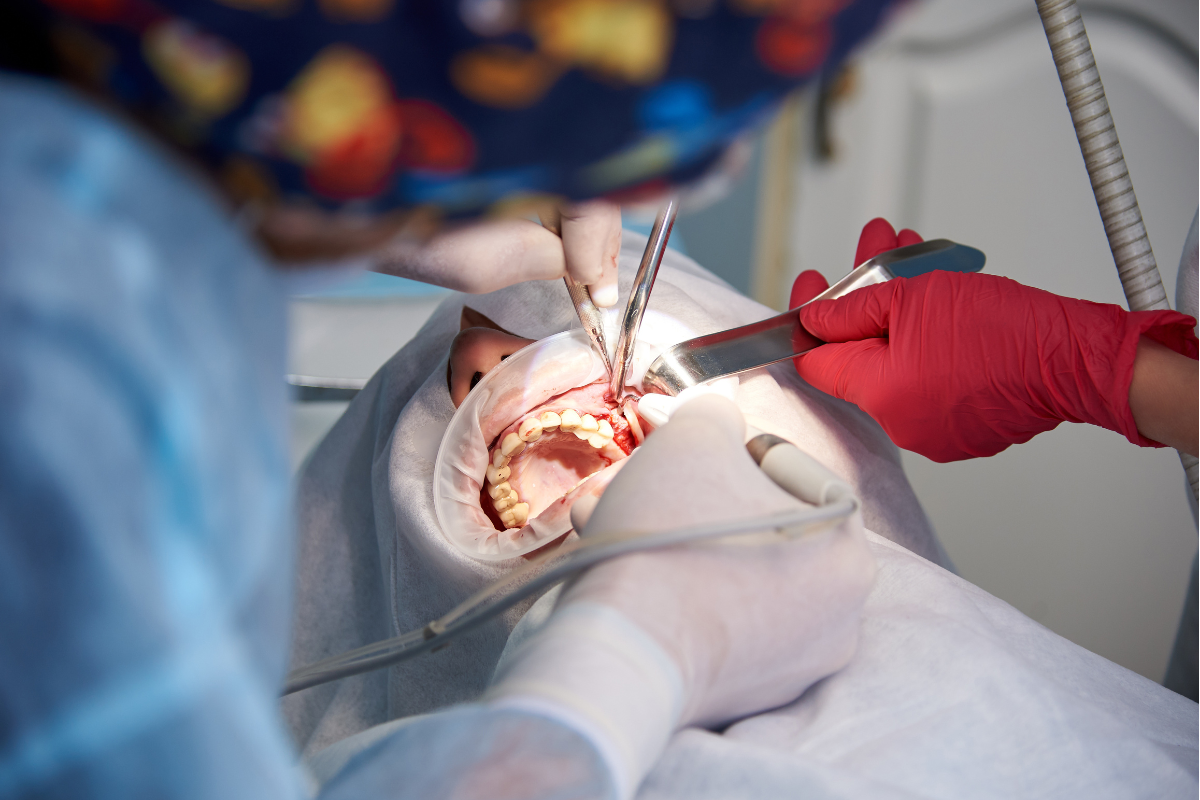
- Implant placement: A dental implant is surgically placed into the jawbone.
- Healing and osseointegration: The implant needs time to integrate with the surrounding bone.
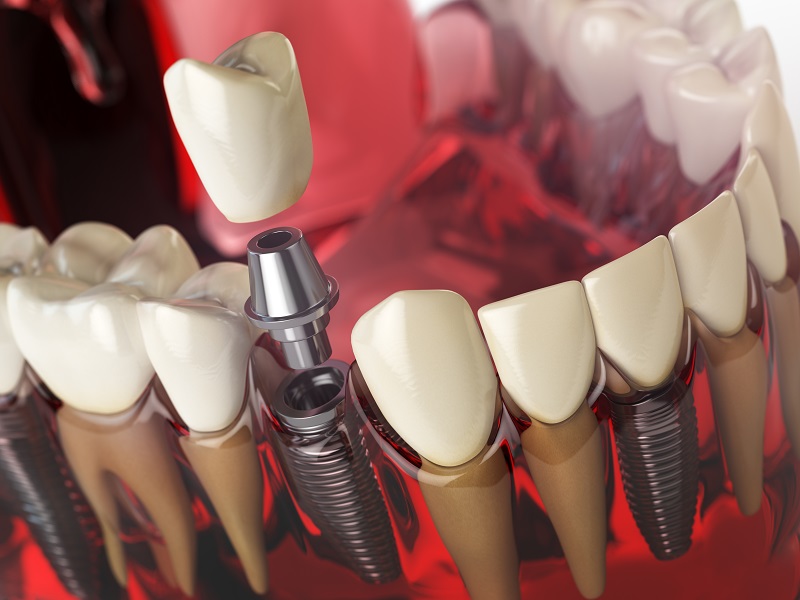
- Abutment and restoration: Once the implant has healed appropriately, an abutment and custom restoration can be placed.
- Ongoing maintenance: Regular home care and professional examinations help maintain the implant and surrounding tissues.
The exact timeline depends on the patient’s individual needs. Some patients may require additional procedures before or during implant treatment.
Meet Dr. Joe Cronin
Dr. Joe Cronin, DDS, brings advanced training in implant dentistry and surgical procedures to patient care at Cronin Family Dentistry.

He earned his Bachelor of Science in biology from Utah Valley University before graduating from the Virginia Commonwealth University School of Dentistry. He then completed an Advanced Education in General Dentistry (AEGD) residency in Bessemer, Alabama.
During his residency, Dr. Cronin received additional experience with advanced procedures including dentoalveolar surgery, bone grafting, sinus grafting, implant dentistry, and IV sedation. He is also a member of the American Dental Association, Academy of General Dentistry, and Mississippi Dental Association.
That additional training is particularly relevant for patients considering implant treatment because implant dentistry involves more than replacing the visible portion of a missing tooth. The health of the bone, gums, bite, and surrounding structures all play a role in treatment planning and long-term care.
Caring for Your Dental Implants in Hattiesburg
Dental implants do not require an elaborate daily routine, but they do require consistency. Brush twice a day, clean between your teeth every day, follow the maintenance recommendations provided by your dental team, and address changes around an implant rather than waiting for them to go away.
If you are considering dental implants or already have an implant that needs evaluation, Cronin Family Dentistry can help you understand your options and develop a treatment plan based on your oral health needs.
Schedule an appointment with Cronin Family Dentistry to discuss dental implants in Hattiesburg and your next steps.