Hattiesburg: 601-450-5550
Root Canal Myths: Time to Rethink Your Dental Fears


Root Canal Myths: Time to Rethink Your Dental Fears
By Cronin Dentistry | November 30, 2024
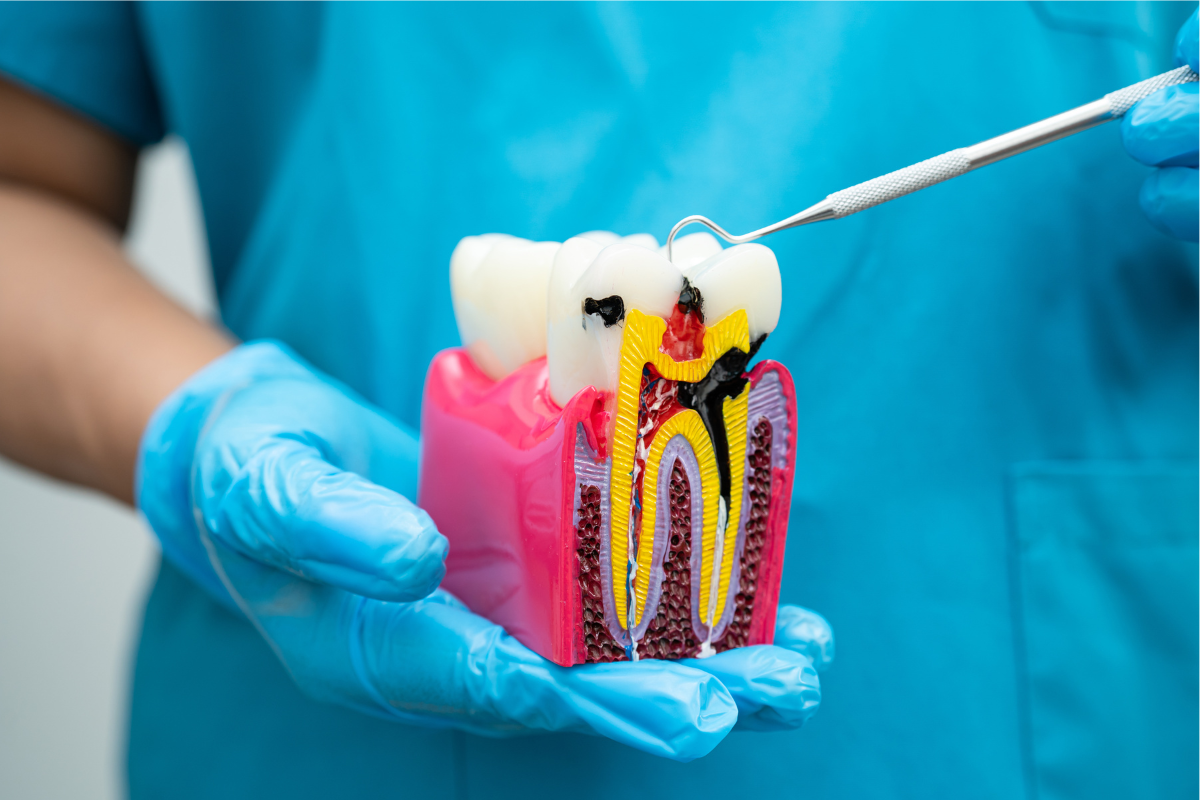
Root canal treatment, often shrouded in misconceptions, has long been feared by many. This comprehensive article aims to dispel the myths surrounding root canals and address common concerns about potential pain. We will delve into the intricacies of the procedure, the role of modern dentistry in pain management, and the benefits of preserving natural teeth through root canal therapy.
Myths About Root Canal Therapy
Is Root Canal Pain Unbearable?
One of the most persistent myths about root canals is that they are excruciating procedures. This misconception stems from outdated techniques and a need for more understanding of modern dental practices.
Truth:
- Advanced Anesthesia: Today’s dental professionals use advanced local anesthesia to numb the treatment area completely, ensuring minimal discomfort during the procedure and relief from any potential pain.
- Gentle Techniques: Dentists employ gentle and precise techniques to minimize discomfort.
- Post-Procedure Pain Management: Over-the-counter pain relievers can effectively manage any mild discomfort after the procedure.
Does a Root Canal Hurt Worse than Getting a Tooth Pulled?
Some people believe tooth extraction is less painful than a root canal. This misconception can lead to unnecessary tooth loss.
Truth:
- Preserving Natural Teeth: Root canal treatment eliminates the need for extraction and allows you to keep your natural tooth, which is often preferable in terms of function and aesthetics.
- Minimized Discomfort: Modern techniques and anesthesia make root canals relatively painless.
Long-Term Benefits: A preserved natural tooth offers better chewing function, improved speech, and a more natural appearance than dental implants or bridges, making it a long-term investment in your oral health.
Do Root Canals Make Teeth Weak?
There’s a common belief that root canals weaken teeth and make them more susceptible to breakage.
Truth:
- Strengthening the Tooth: Root canal treatment strengthens the tooth by removing the infected pulp and filling the root canals with a biocompatible material.
- Dental Crown: A dental crown is often placed over a treated tooth to protect it and provide additional strength and durability.
Can a Root Canal Cause Problems Years Later?
Some outdated theories linked root canal treatment to various health issues, including heart disease and cancer.
Truth:
- Debunked Theories: Extensive research has consistently refuted these claims. No scientific evidence supports a link between root canal treatment and systemic health problems, providing you with a sense of security about the procedure’s safety.
- Improved Oral Health: Root canal treatment eliminates infection and prevents bacteria from spreading, promoting oral health.
Why are Root Canals so Painful?
While root canal treatment is typically painless, some patients may experience mild discomfort after the procedure. This discomfort is usually temporary and can be managed with over-the-counter pain relievers.
Factors Contributing to Post-Procedure Discomfort:
- Sensitivity to Pressure: The treated tooth may be sensitive to biting pressure for a few days.
- Mild Inflammation: Some inflammation is expected after any dental procedure.
- Sensitivity to Hot and Cold: The tooth may be sensitive to temperature changes for a short period.
Tips for Managing Post-Procedure Discomfort:
- Avoid Hard Foods: Stick to soft foods for a few days to reduce pressure on the treated tooth.
- Use Over-the-Counter Pain Relievers: Follow the recommended dosage of pain relievers like ibuprofen or acetaminophen.
- Practice Good Oral Hygiene: Brush twice daily and floss daily to maintain oral hygiene.
- Avoid Grinding Your Teeth: Grinding or clenching your teeth can exacerbate discomfort. If needed, consider using a mouthguard.
When Should I Seek Medical Attention After a Root Canal?
If you experience severe pain, swelling, or other unusual symptoms after a root canal, it’s essential to contact your dentist promptly. They can assess the situation and provide appropriate treatment, ensuring your comfort and recovery.
Conclusion
Root canal treatment has evolved significantly thanks to advancements in dental technology and techniques. By understanding the facts and dispelling common myths, you can make informed decisions about your oral health.
If you’re experiencing tooth pain or have concerns about root canals, consult with Cronin Family Dentistry in Hattiesburg, Columbia. We can provide expert advice and personalized treatment to help you achieve optimal oral health.