
Hattiesburg: 601-450-5550
Why Root Canals Are Important for Dental Health


Why Root Canals Are Important for Dental Health
By Cronin Dentistry | March 27, 2025
Maintaining your natural teeth is fundamental to optimal oral health. A procedure that plays a crucial role in achieving this goal is root canal therapy. This dental procedure is often seen as a way to save a tooth that might otherwise be lost due to infection or damage. This treatment not only eliminates the infection but also relieves pain and ensures the long-term preservation of your smile. In this blog, you will learn the importance of this therapy and how it can benefit your overall oral health.
What Is Root Canal Treatment?
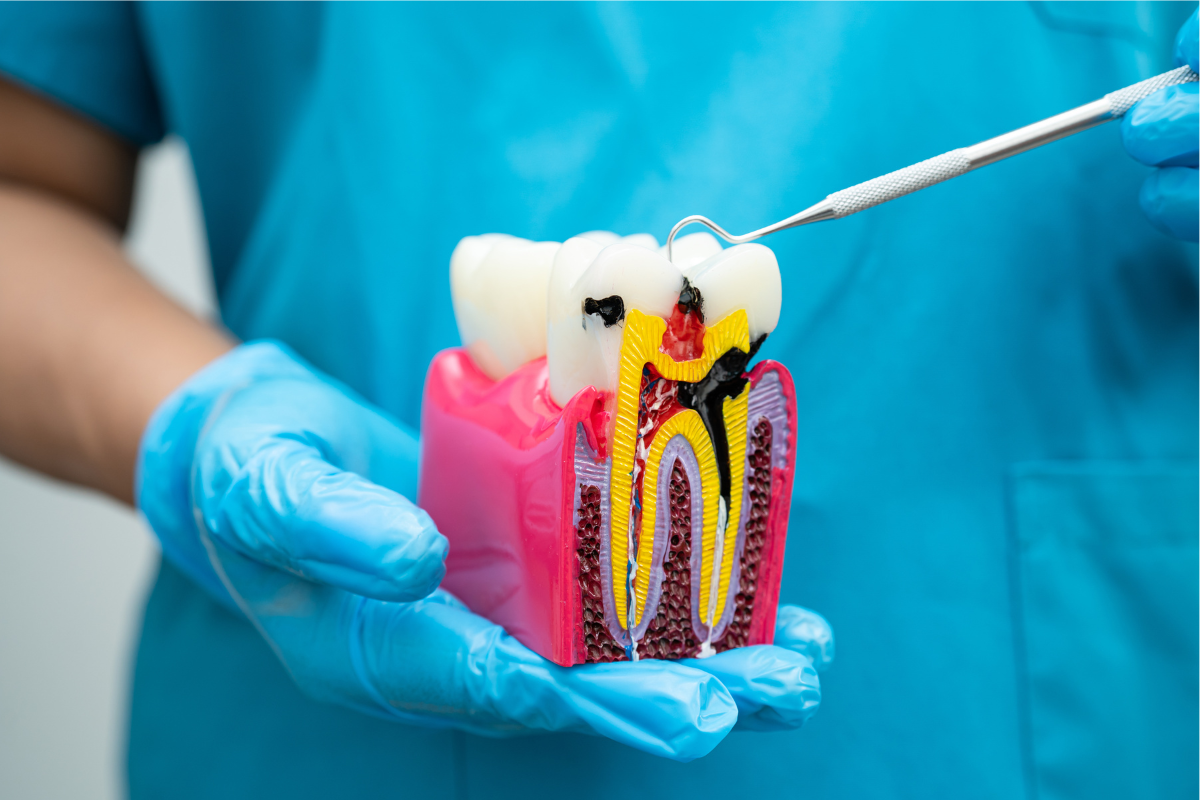
This endodontic treatment is a procedure designed to save a tooth that has been severely damaged or infected, usually due to deep decay or trauma. The tooth consists of several layers: the outer enamel, the dentin beneath it, and the pulp at the center. The pulp contains nerves, blood vessels, and connective tissue. When the pulp becomes infected, typically from untreated cavities or cracks in the tooth, it can lead to severe pain, swelling, and potential tooth loss.
During the root canal for tooth preservation, a dentist removes the infected or inflamed pulp from the tooth, carefully cleans the canals of your tooth root, and then seals the space to prevent further infection. In most cases, the tooth is then restored with a crown or filling to ensure it functions normally.
Why Root Canal Therapy Is Important for Dental Health?
Helps Preserve Natural Teeth
The most significant advantage of the therapy is its ability to preserve your natural tooth. Tooth loss can lead to many complications, such as alignment issues with surrounding teeth, difficulty chewing, and changes to your facial appearance.
When a tooth is extracted, the jawbone can start to deteriorate, which can lead to further oral health problems down the line. By saving teeth with root canals, you can avoid these issues, maintain proper bite function, and preserve the structural integrity of your mouth. The alternative to preserving a tooth may involve expensive dental implants or bridges.
Prevents Escalating Dental Problems
When the pulp of a tooth becomes infected, bacteria can spread not only within the tooth but also into the surrounding tissues, including the gums, jawbone, and other teeth. This can lead to serious conditions, such as abscesses, bone loss, or widespread infection, which could necessitate more complex and invasive treatments.
A root canal and tooth preservation procedure halts the infection’s progression, preventing the need for more severe interventions such as tooth extraction or even extensive surgery. Early intervention reduces the chances of these complications and preserves your oral health in the long run.
Relieves Pain and Restores Comfort
Tooth infections can be excruciating, causing persistent pain, throbbing, sensitivity to hot or cold, and discomfort while eating or drinking. The pain is often a result of pressure and inflammation in the infected pulp. The therapy effectively eliminates this source of pain, providing immediate relief.
Most patients report a significant improvement in their symptoms within hours or days after the procedure. Once the tooth is treated, the discomfort subsides, and the tooth becomes functional again, making daily activities like eating and speaking much more comfortable.
Enhances Long-Term Oral Health
An untreated infected tooth can lead to the destruction of surrounding tissues, including bone. If the infection spreads to the jawbone, it can result in significant bone loss and weakening of the tooth’s support structure.
This can eventually lead to tooth loss. By undergoing the treatment, you remove the infection and protect the surrounding bone and tissue. This preserves not only the tooth itself but also the overall health of your mouth. A healthy tooth and gum structure are essential for long-term oral health.
Promotes Confidence in Your Smile
Infection within a tooth can cause discoloration and swelling, making you self-conscious about the appearance of your smile. Additionally, bad breath or a persistent unpleasant taste can result from the infection. After the endodontic treatment, the tooth is typically restored with a crown or filling that both strengthens and beautifies the tooth.
This restoration helps improve the tooth’s appearance, bringing back your smile’s natural aesthetics and enhancing your confidence. You won’t need to worry about the visual or hygienic issues associated with an infected tooth.
Supports Durable Restorations
After the dental procedure, the tooth may become more brittle, which is why it’s often fitted with a crown. The crown acts as a protective cover that restores the tooth’s strength, allowing it to function normally when chewing or biting. With proper care and maintenance, the combination of a well-done procedure and a durable crown can last a lifetime. This prevents the need for tooth extraction or more complex dental procedures, offering a cost-effective and long-term solution.
Root canal therapy saves teeth and prevents more serious dental issues. If you’re experiencing tooth pain or discomfort, don’t delay—early diagnosis and treatment are critical. Trust our dentist in Hattiesburg to provide expert care and lasting solutions for your dental health. Schedule your consultation today and take the first step toward a healthier, pain-free smile.