Hattiesburg: 601-450-5550
How Dental Implants Can Replace All Your Teeth: A Complete Guide

How Dental Implants Can Replace All Your Teeth: A Complete Guide
By Cronin Dentistry | October 14, 2025
If you’ve lost most or all of your teeth, you may wonder if dental implants can fully restore your smile. The answer is yes, dental posts are an excellent solution for replacing missing teeth, and in many cases, they can replace an entire set of teeth.
This guide will explain how dental posts work, how they can replace all your teeth, and what you can expect from treatment.
What Are Dental Implants?
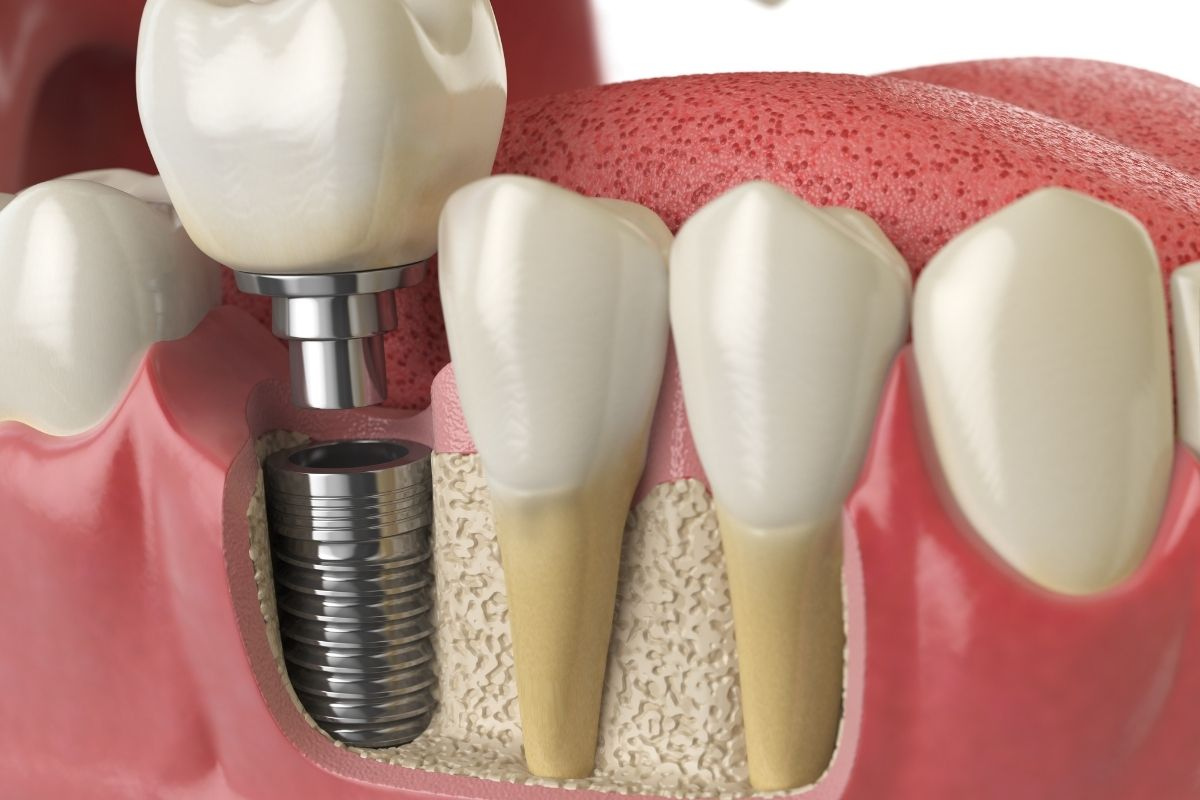
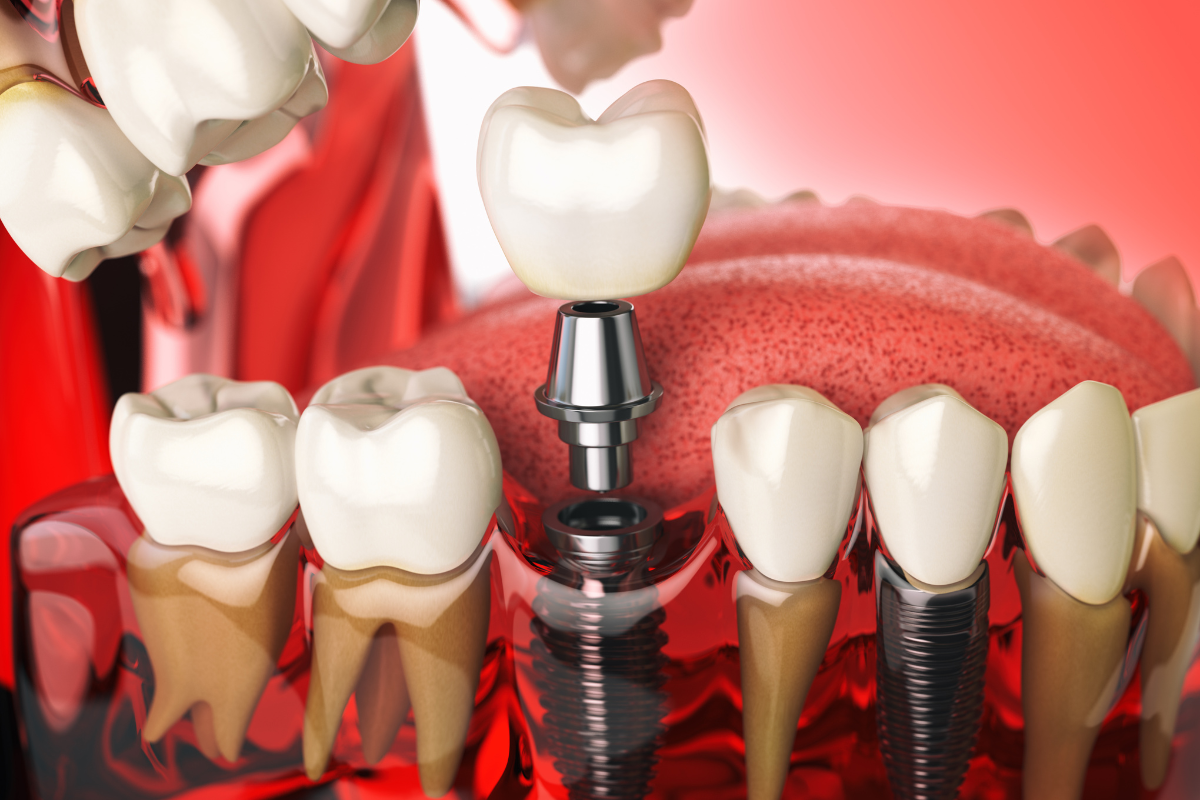
Dental implants are artificial tooth roots placed into the jawbone to replace a missing tooth or bridge. They are typically made of titanium, a biocompatible material that integrates well with bone tissue. Dental implants are ideal for those looking for a permanent, natural alternative to dentures or bridges.
If you’re considering dental implants in Hattiesburg, you might be interested in full-mouth restoration, which involves replacing all your teeth using dental posts. This procedure is often called full mouth dental implant rehabilitation, and it can completely transform your smile and quality of life.
Can Dental Implants Replace All Your Teeth?
Yes, dental implants can replace all your teeth. Full-mouth restoration options are designed to restore the function and appearance of your natural teeth. Instead of relying on traditional dentures that may slip or cause discomfort, full-mouth dental posts are permanently anchored into your jawbone.
Here are the most common options for full-mouth restoration:
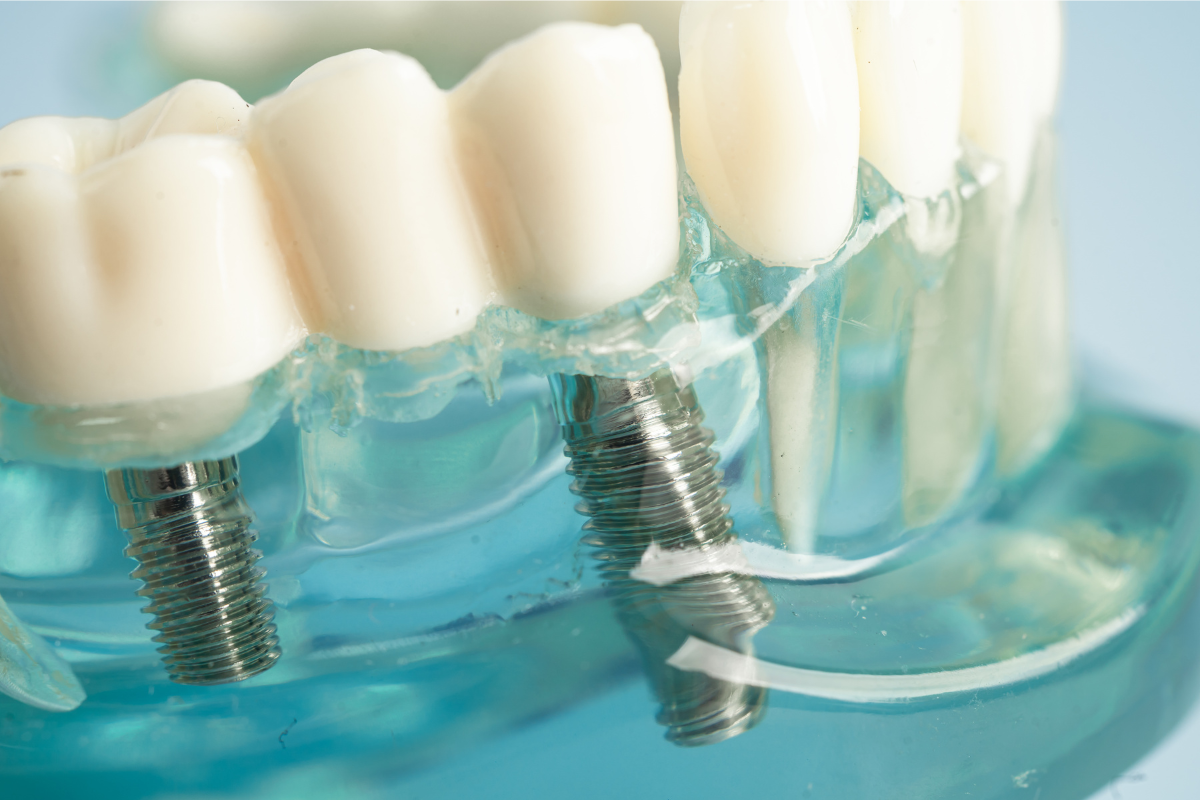
All-on-4® Implants: This popular technique uses four implants to support a full set of teeth. The implants are placed strategically in your mouth, with two in the front and two in the back, to ensure a secure fit and long-term stability. This option is great for people who may not have enough bone density for traditional implants.
Implant-Supported Bridges: If you have sufficient bone mass in your jaw, multiple implants may be placed to support a bridge of teeth. This approach can provide a strong and stable foundation for replacing all your teeth, often with fewer implants than expected.
Both methods ensure a long-lasting, natural-looking result that feels just like your own teeth.
Benefits of Replacing All Your Teeth with Dental Implants
Replacing all your teeth with a full mouth restoration option offers several advantages over other options, such as traditional dentures or bridges. Some of the key benefits include:
- Improved Comfort: Unlike removable dentures, dental implants are permanent and won’t slip or shift in your mouth. You can eat, speak, and smile with confidence.
- Better Functionality: Dental posts restore full chewing function, allowing you to enjoy all your favorite foods without worrying about discomfort.
- Natural Appearance: These artificial tooth roots are designed to look and feel like your natural teeth. They blend seamlessly with your smile, making them a top choice for those seeking a realistic solution.
- Long-Term Durability: With proper care, tooth implants can last for decades, making them a wise investment in oral health.
- Preserved Bone Health: These restorations help stimulate your jawbone, preventing bone loss that can occur after tooth loss.
The Process of Getting Full Mouth Dental Implants
Getting full mouth dental implants involves several steps, which may take several months to complete. Here’s a brief overview of what you can expect:
Consultation and Evaluation: Your dentist will first conduct a thorough examination, including X-rays or 3D scans, to assess your oral health and bone density. This will help them determine if you’re a good candidate for titanium tooth roots.
Implant Placement: The next step involves placing the implants into your jawbone. This is typically done under local anesthesia or sedation to ensure you’re comfortable throughout the procedure. Over time, the implants will fuse with the bone in osseointegration.
Temporary Restoration: After the implants are placed, you’ll receive a temporary set of teeth while your implants heal and integrate with your jawbone. This can take several months.
Final Restoration: Once your implants have fully integrated with your bone, your permanent set of teeth will be placed on the implants. This final restoration will give you a fully functional, natural-looking smile.
How Long Does It Take to Get Dental Implants?
The timeline for getting full-mouth artificial tooth roots varies from patient to patient. Typically, the process takes several months, as the implants need time to heal and integrate with the jawbone. While the procedure itself can often be completed in a day or two, the healing period between steps is essential for achieving long-term success.
For those looking for a quicker option, solutions like the All-on-4® implants often require less healing time and can be completed in a shorter timeframe.
Why Choose Cronin Dentistry for Dental Implants?
“If you’re considering permanent tooth restorations to replace all your teeth, Cronin Dentistry offers personalized care and expert treatment for dental implants in Hattiesburg. Our experienced team will guide you through every step, from the initial consultation to the final restoration.We’re dedicated to helping you achieve a beautiful, functional smile with long-lasting dental implants. Request an appointment today to start your smile transformation with dental implants.
FAQs
How long do dental implants last?
With proper care, dental implants can last 25 years or more, providing a long-term solution for tooth loss.
Are dental implants painful?
The procedure is done under anesthesia, so you won’t feel pain during the placement. Some discomfort may occur afterward, but it can be managed with over-the-counter pain medications.
Can I get dental implants if I have bone loss?
Yes, options like the All-on-4® technique are designed for patients with significant bone loss and can still be effective for full-mouth restoration.
How much do dental implants cost?
The cost of dental implants varies based on the number of implants needed, the complexity of your case, and your location. Your dentist can provide a detailed estimate during the consultation.